English
한국어
English
Español
中文
हिंदी
Home
News
Community
Dictionary
English
한국어
English
Español
中文
हिंदी
View list
White Bark Pine Albicaulis
Pinus albicaulis
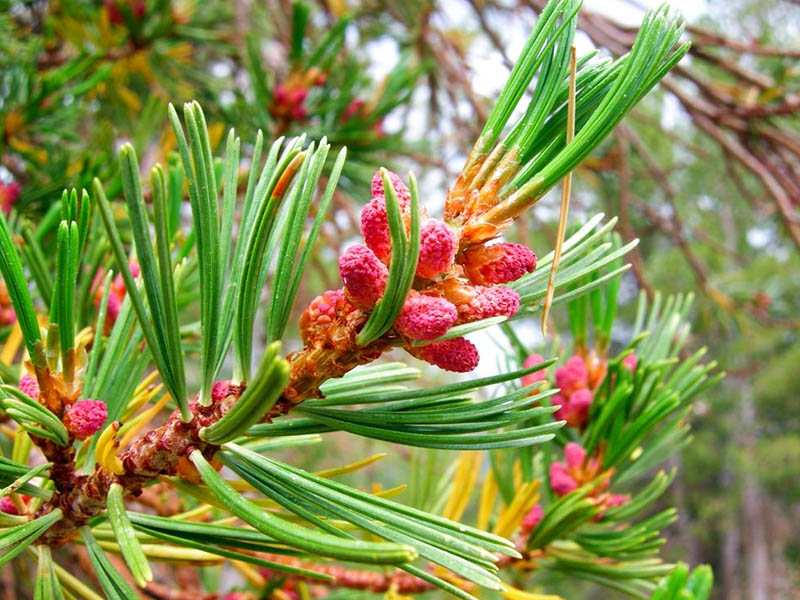
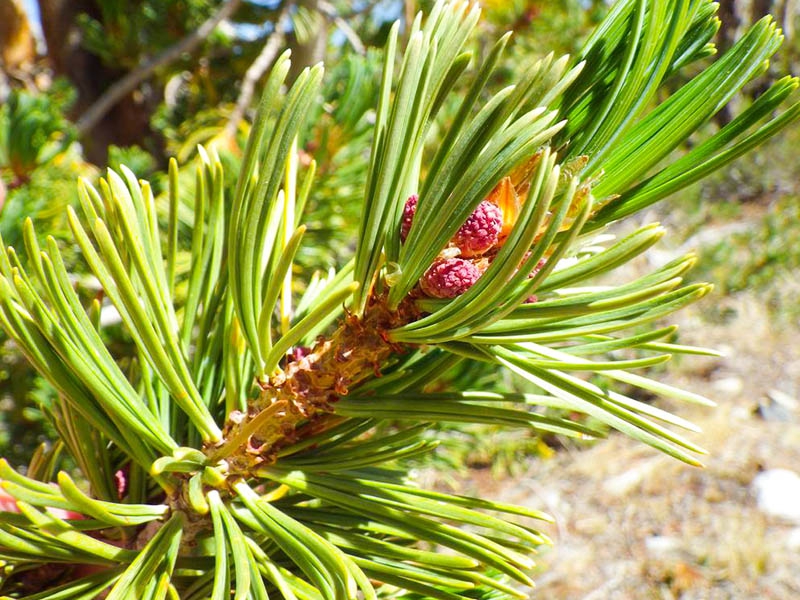
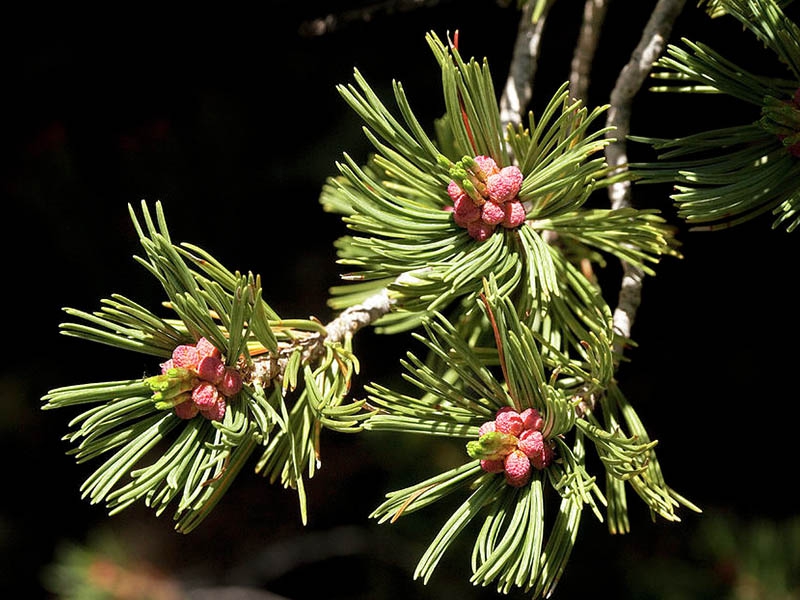
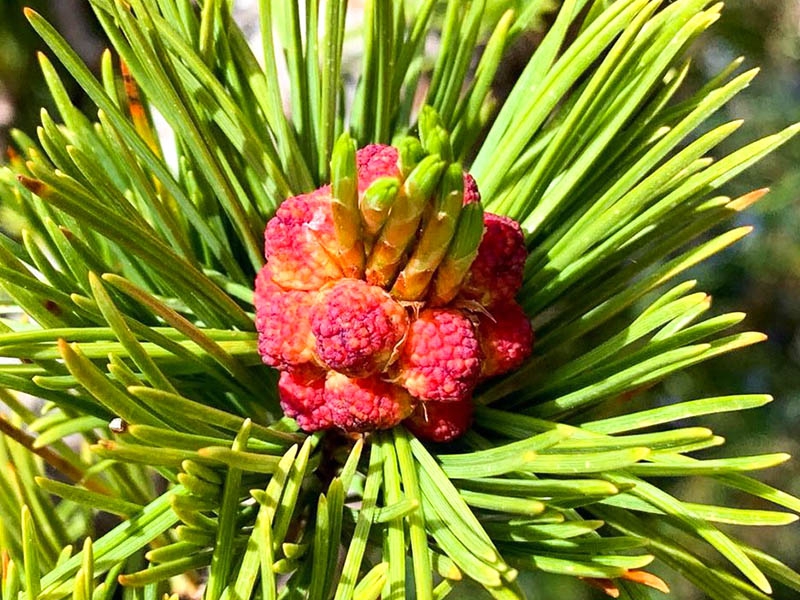
White bark pine (Pinus albicaulis) is a conifer that grows in alpine regions and is primarily distributed in the western part of North America. This tree thrives at altitudes of 1,500 meters or higher and is adapted to dry and cold environments. Let's examine its growth characteristics, propagation methods, cultivation practices, garden uses, and major pests and diseases, as well as control methods. Growth Characteristics - Environment: It prefers the cold climate of alpine regions and tolerates windy mountainous terrain well. - Soil: It grows well in well-drained soil and prefers acidic soil. - Growth Rate: It grows relatively slowly, and mature trees reach a height of 5 to 20 meters. Propagation Methods - Seed Propagation: It is primarily propagated by collecting seeds from pine cones. Since the seeds have poor storage stability when covered, it is best to sow them immediately. - Germination Conditions: Seeds require cold treatment before germination. Leave them in a natural environment during the winter to experience the cold, then germinate them in the spring. Cultivation Method - Location: A sunny location is ideal, and it is best to grow them in a space that can block the wind. - Watering: Water thoroughly during dry periods, but avoid overwatering. - Fertilizer: It is recommended to apply a small amount of low-nitrogen fertilizer in the spring. Uses in Gardens - White Bark Pine is suitable as a landscaping tree or windbreak. It is particularly well-suited for alpine gardens or nature-style gardens. Important Pests and Control Methods - Diseases: White Bark Pine is primarily susceptible to rust, and diseases caused by specific bacterial strains may occur. - Pests: Damage can be inflicted by pine bark beetles or wood borers. - Control Methods: Regular observation is necessary. Upon early detection of infection, remove diseased branches and use fungicides and insecticides for control. If mites or pests occur, control measures should be taken at the appropriate time. White bark pine is a highly valuable tree for gardens due to its beautiful appearance and excellent adaptability to the environment. However, you must pay close attention to the growing environment and pest management to cultivate it healthily.
Plant Type
Plant Family
Pine family
Height
6~12m
Spread
3~6m
Colors
red
Bloom Period
March to August
Water Needs
commonly
Exposure
Sunny
Freezing Resistance
-50°C
cattail
Pinus flexilis
Bhutanese pine
Pinus wallichiana