English
한국어
English
Español
中文
हिंदी
Home
News
Community
Dictionary
English
한국어
English
Español
中文
हिंदी
View list
Bhutanese pine
Pinus wallichiana
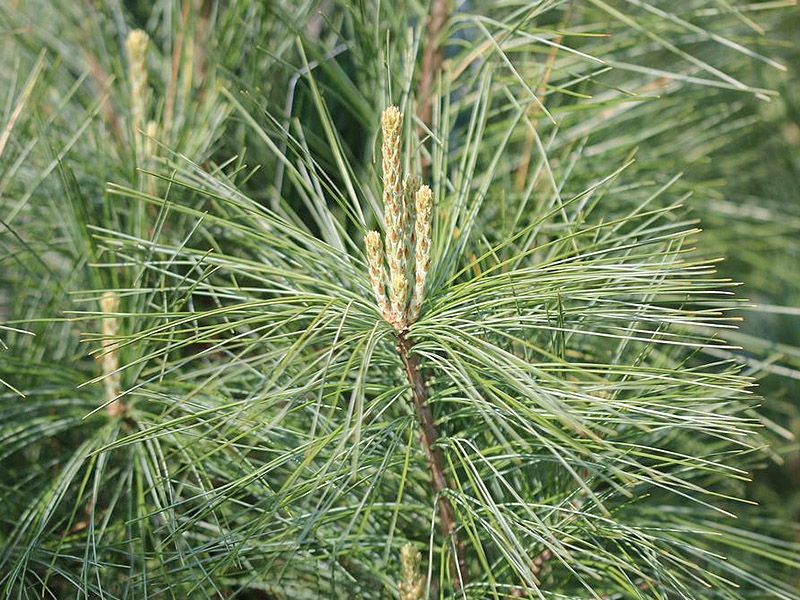
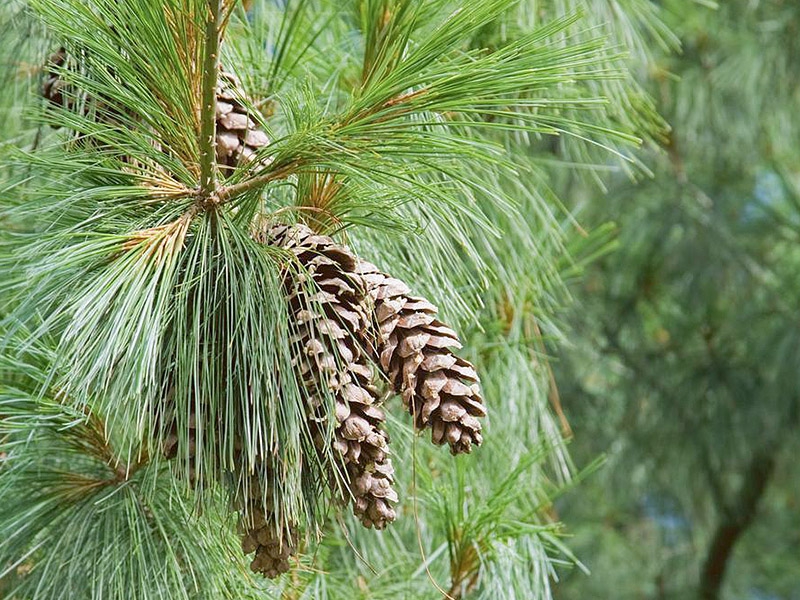
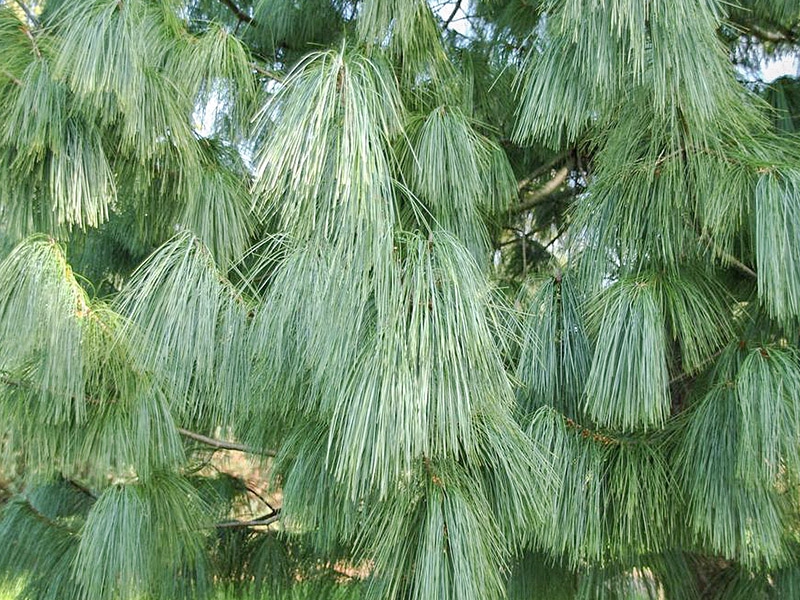
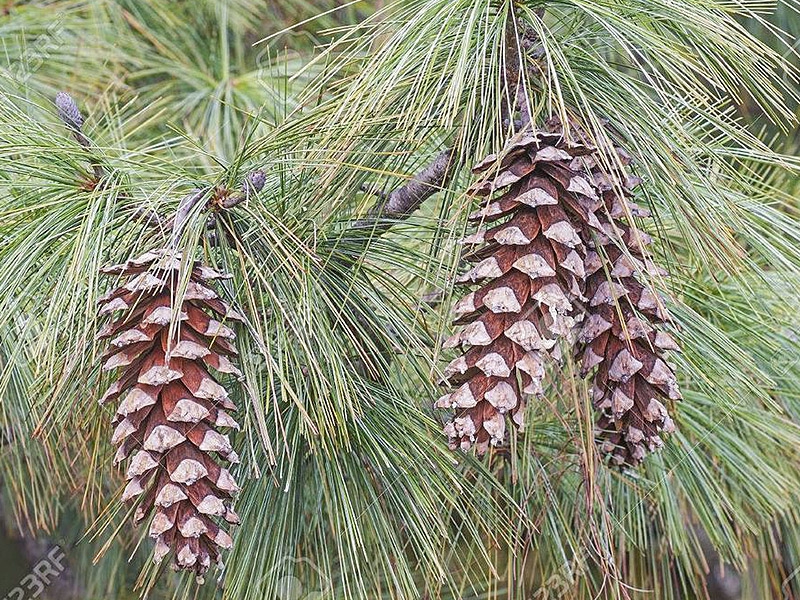
Bhutanese Pine (Pinus wallichiana) Growth Characteristics The Bhutanese pine is native to the Himalayas and grows naturally in alpine regions at elevations of 1,500 to 3,000 meters. This conifer grows to a height of 30 to 50 meters and is characterized by its long, soft, bluish-green leaves. It is resistant to cold and dry environments and thrives in locations with ample sunlight. Propagation Methods The Bhutanese pine is primarily propagated by seeds. Seeds are harvested in the autumn and sown the following spring. To increase germination rates, it is effective to store seeds at a low temperature for about 1 to 2 months before sowing. Cultivation Methods - Soil: Well-drained acidic or neutral soil is suitable. It is best to avoid soil that is too muddy. - Location: Plant in a location with sufficient sunlight. - Watering: Water periodically during dry periods, but avoid overwatering. - Fertilizer: Applying slow-release fertilizer in the spring can promote growth. Uses in the Garden The Bhutan Pine is widely used as a landscaping tree due to its beautiful foliage and elegant form. It is particularly suitable as a prominent centerpiece in large gardens or parks. Important Pests and Control Methods - Diseases: It can be infected by fungi such as clubroot. To prevent these diseases, it is important to perform periodic pruning and maintain good ventilation. - Pests: Leaf beetles or aphids may occur. In the early stages, they can be removed with water or controlled using eco-friendly insecticides. With proper care and careful observation, the Bhutan Pine can grow into a beautiful and healthy tree.
Plant Type
Plant Family
Pine family
Height
9~15m
Spread
6~10.5m
Colors
green
Bloom Period
March to August
Water Needs
commonly
Exposure
Sunny
Freezing Resistance
-40°C
White Bark Pine Albicaulis
Pinus albicaulis
Ponderosa pine
Pinus ponderosa