English
한국어
English
Español
中文
हिंदी
Home
News
Community
Dictionary
English
한국어
English
Español
中文
हिंदी
View list
White violet
Viola patrinii
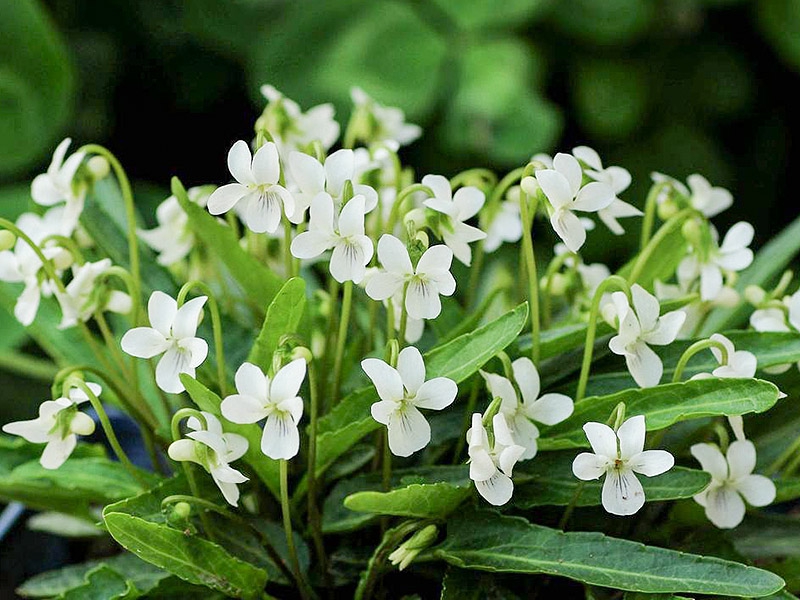
Viola patrinii has the following growth characteristics and cultivation methods. Growth Characteristics Viola patrinii is a perennial herbaceous plant that thrives in moist, semi-shaded areas. It grows to a height of 10–20 cm and blooms from spring to early summer. The flowers are typically white or light purple, and the leaves have long petioles and a distinctive heart shape. Propagation Methods Viola patrinii can be propagated primarily through seeds, division, or stem cuttings. - Seed Propagation: Collect mature seeds in the autumn, store them in the refrigerator, and sow them in early spring. - Division: Divide and plant the roots in spring or autumn. - Stem Cuttings: Break off stems in the summer and plant them to encourage growth into new plants. Cultivation Methods Viola patrinii prefers well-draining soil, and it is important to water the plant to prevent it from drying out too much. It is best to apply fertilizer in moderation only in spring and autumn; excessive fertilizer can actually be harmful. Uses in the GardenViolets are suitable for shady gardens or flowerbeds, providing a natural and soft appearance. It is recommended to plant them in harmony with other flowering plants. Important Pests and Control Methods Violets are generally resistant to pests and diseases, but the following issues may occur: - Spider mites and aphids: Periodically inspect the undersides of leaves and control them using organic insecticides if found. - Fungal diseases: These can occur due to overwatering, so proper watering is necessary. It is also important to circulate air through ventilation. Based on this information, you will be able to effectively manage and cultivate violets.
Plant Type
Plant Family
Violet family
Height
10~15cm
Spread
Colors
white
Bloom Period
April~May
Water Needs
commonly
Exposure
Sunny
Freezing Resistance
-15°C
hairy violet
Viola phalacrocarpa
yellow violets
Viola orientalis