English
한국어
English
Español
中文
हिंदी
Home
News
Community
Dictionary
English
한국어
English
Español
中文
हिंदी
View list
Virginia pine
Pinus virginiana
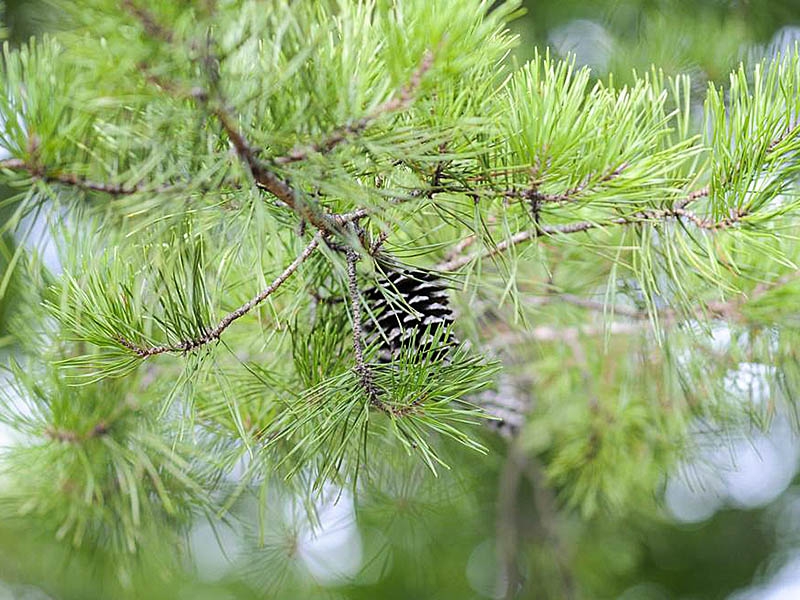
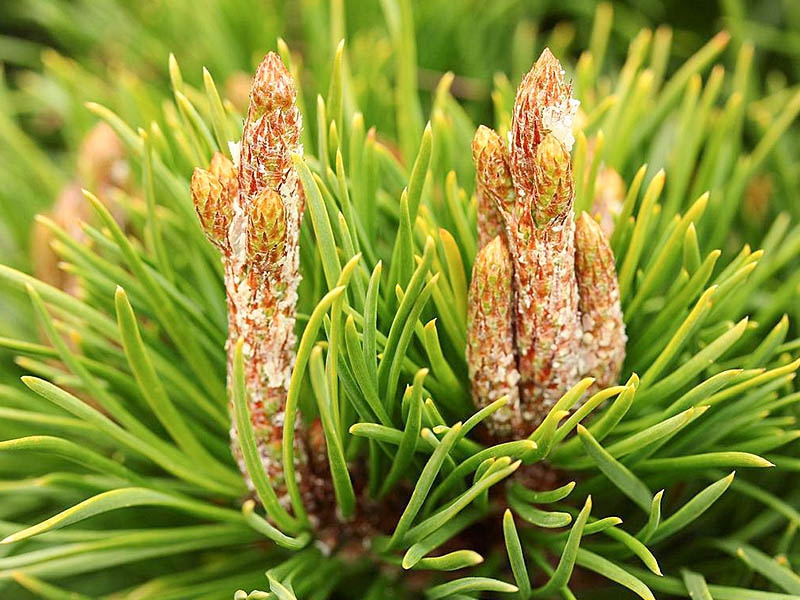
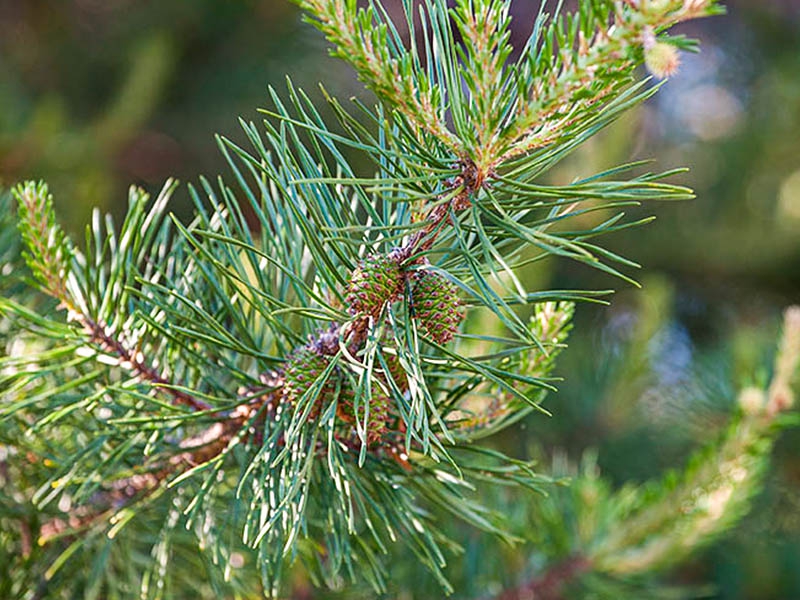
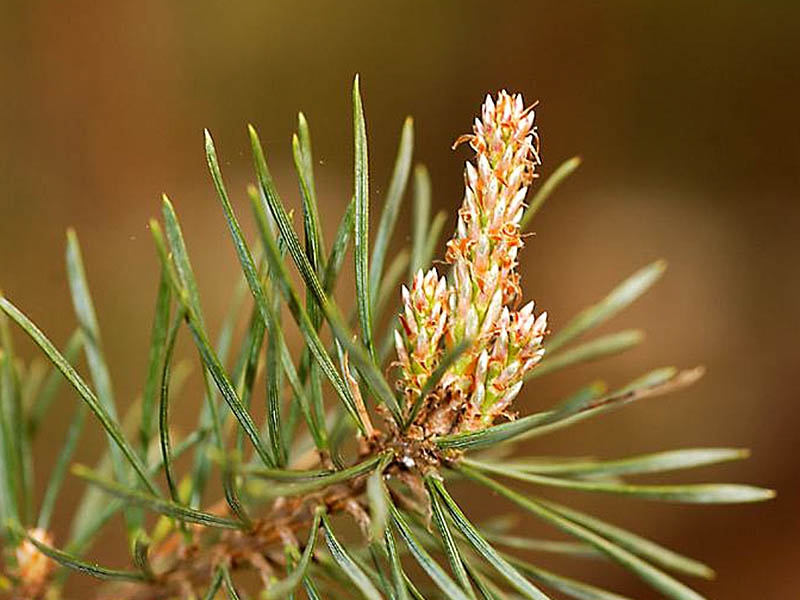
Characteristics of the Virginia Pine (Pinus virginiana) #Growth Characteristics - Scientific Name: Pinus virginiana - Distribution: It grows naturally, mainly in the eastern regions of North America. - Growth Habits: It is a medium-sized evergreen tree, typically growing to a height of 9 to 18 meters. - Growth Conditions: It thrives in sunny locations and adapts relatively well to various soil conditions. However, it prefers well-drained soil. #Propagation Methods - Seed Propagation: It is generally propagated by seeds. Seeds are collected in the fall, undergo cold stratification during the winter, and are sown in the spring. - Cutting Propagation: Although a relatively rare method, it is also propagated by taking cuttings from young branches. #Cultivation Methods - Soil Preparation: Prepare well-drained soil. Add compost or fertilizer as needed. - Planting: It is best to plant in late winter or early spring. Leave appropriate planting spacing to allow the roots to develop well. 3. Care: Initially, provide sufficient water to help the roots establish themselves, and thereafter, adjust watering according to natural rainfall. # Use in Gardens - Ornamental Tree: Due to its high aesthetic value, it is used as a decorative plant in residential gardens or parks. - Landscape Creation: The unique colors of the pine needles and the cone-shaped form enrich the landscape. # Important Pests and Diseases & Control Methods - Diseases: Rust and needle rust may occur. These can be prevented through periodic pruning and improved ventilation. - Pests: Pine needle beetles and pine nematodes are major pests. If damage occurs, control measures must be taken using appropriate insecticides. You can maintain healthy trees through regular observation and proper environmental management.
Plant Type
Plant Family
Pine family
Height
4.5~12m
Spread
3~9m
Colors
green
Bloom Period
March to August
Water Needs
commonly
Exposure
Sunny
Freezing Resistance
-40°C
European black pine
Pinus nigra
Scots pine 'Glauca'
Pinus sylvestris 'Glauca'