English
한국어
English
Español
中文
हिंदी
Home
News
Community
Dictionary
English
한국어
English
Español
中文
हिंदी
View list
yellow violets
Viola orientalis
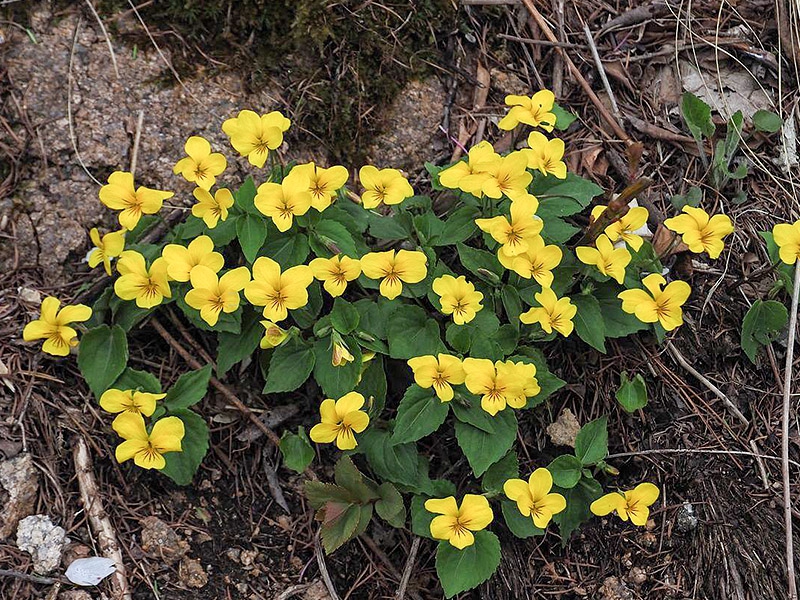
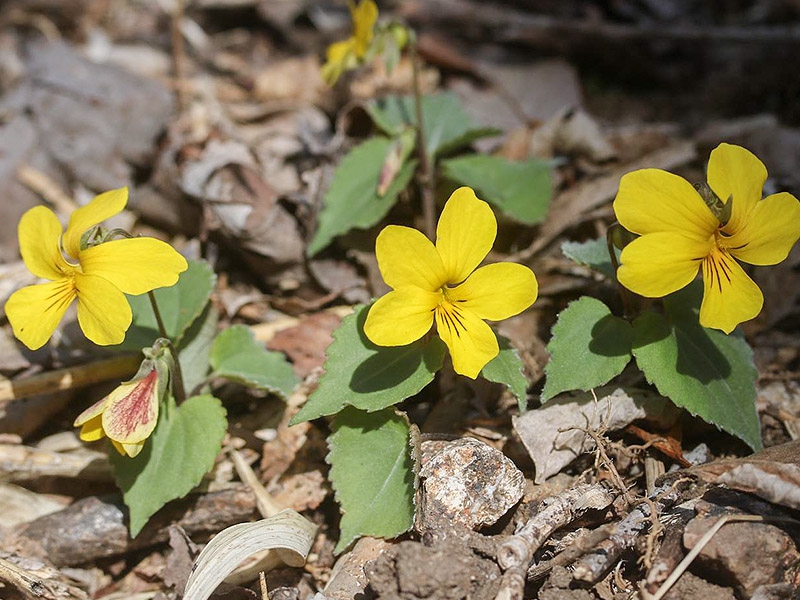
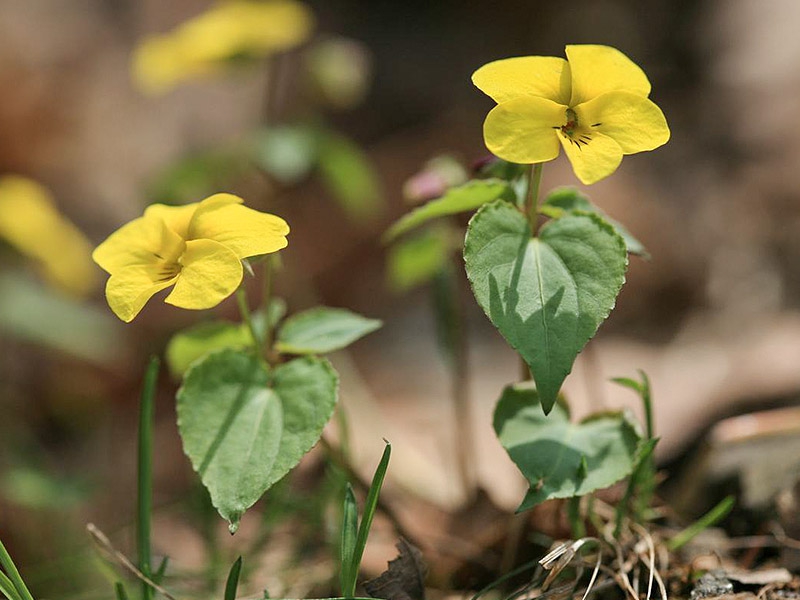
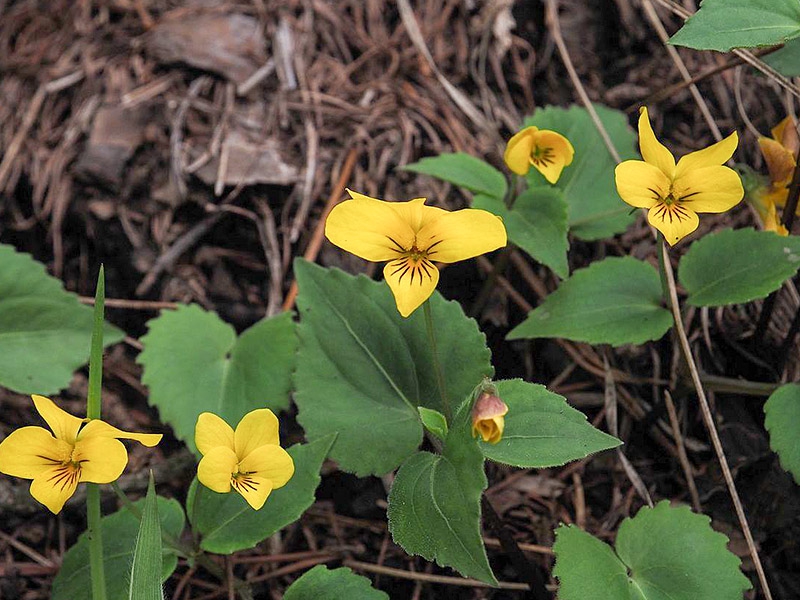
Viola orientalis is a perennial herbaceous plant with attractive yellow flowers. This plant is commonly found in Asia, particularly in Korea, China, and Japan. The following describes the plant's growth characteristics, propagation methods, cultivation methods, garden uses, and major pests and diseases, as well as control methods. - Growth Characteristics: - Light: It thrives in partial shade; strong sunlight should be avoided. - Soil: It prefers fertile, well-drained soil. - Moisture: It is important to maintain adequate moisture in a well-drained environment. - Propagation Methods: - Seed Propagation: Sow seeds collected in the autumn in early spring. - Root Division: It can be propagated by root division in spring or autumn. - Cultivation Methods: - Planting: After preparing the soil, plant at appropriate intervals. - Care: Control weeds and fertilize as needed. - Watering: Water thoroughly during dry periods, but avoid overwatering. - Uses in the Garden: - Oriental Violets have high ornamental value, making them excellent for use as ground cover in the garden. - Planting them alongside other flowers can add a variety of colors to your garden. - Major Pests and Control Methods: - Powdery Mildew: Plant in a well-ventilated area and remove infected parts of the plant. - Aphids: If damage is severe, use organic insecticides for control. - Snails and Other Pests: Remove them physically or use eco-friendly pest control agents. Oriental Violets are relatively easy to care for, and as long as the right environment is provided, they will grow beautifully in your garden.
Plant Type
Plant Family
Violet family
Height
10~20cm
Spread
Colors
yellow
Bloom Period
April to June
Water Needs
commonly
Exposure
Sunny
Freezing Resistance
-15°C
White violet
Viola patrinii
violet
Viola mandshurica