English
한국어
English
Español
中文
हिंदी
Home
News
Community
Dictionary
English
한국어
English
Español
中文
हिंदी
View list
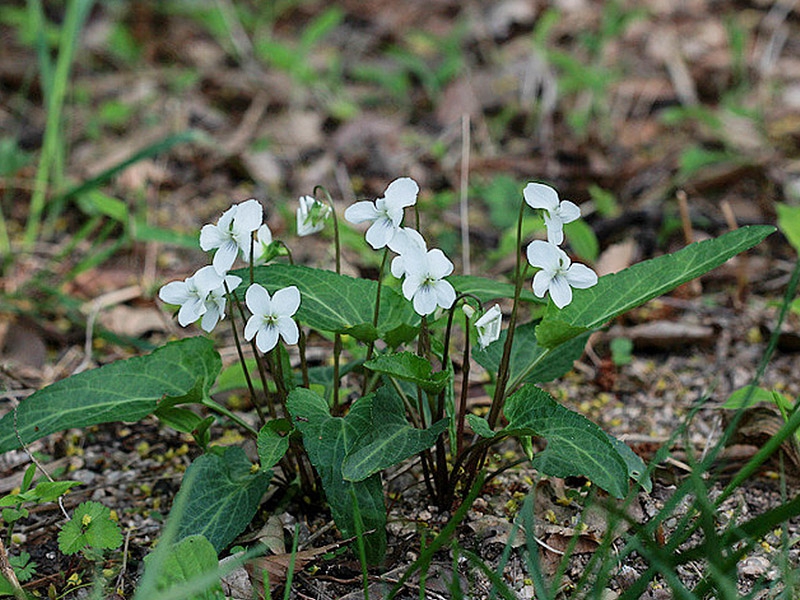
White milk violet
Viola lactiflora
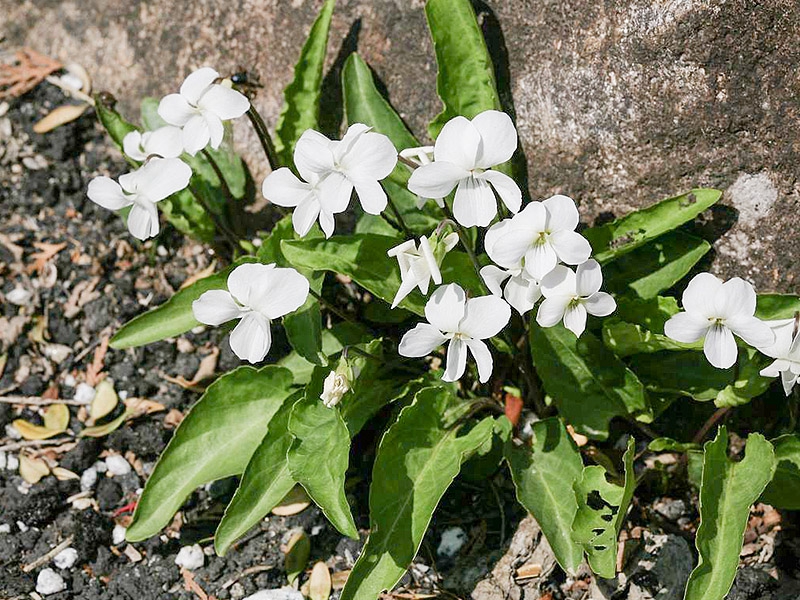
Viola lactiflora has the following growth characteristics, propagation methods, and cultivation methods. Growth Characteristics - Habitat: It thrives in moist environments and prefers partial shade. - Soil: It prefers high-quality, well-drained soil. - Growth Form: It is a perennial plant that typically grows to a height of 10–20 cm. - Flowering Season: White or light purple flowers bloom mainly in the spring. Propagation Methods - Seed Propagation: It can be propagated by sowing seeds in spring or autumn. To increase germination rates, it is recommended to let the seeds endure a slightly cold winter before sprouting. - Division Propagation: It can be propagated by dividing the root sections. Cultivation Methods - Watering: Water consistently to keep the soil from drying out, but avoid excessive moisture. - Light Intake: Provide partial shade, but a location where it can receive morning sunlight is ideal. - Fertilizer: It is recommended to use a balanced liquid fertilizer in the spring and autumn. Uses in the Garden - Border Plant: Excellent for planting along borders to emphasize the structure of the garden. - Flower Beds and Flowerbeds: Creates a beautiful landscape by harmonizing with other wildflowers. - Ground Cover: Also useful for covering the ground. Important Pests and Control Methods - Aphids: Can be controlled using soapy water or insecticides. - Fungal Diseases: Prevent by avoiding excessive moisture and ensuring good ventilation. Fungicides can be used if necessary. - Snails and Slugs: Can be removed by hand or insecticides can be used. By utilizing these methods, you can grow healthy Viola lactiflora.
Plant Type
Plant Family
Violet family
Height
5~15cm
Spread
Colors
white
Bloom Period
April~May
Water Needs
commonly
Exposure
Sunny
Freezing Resistance
-30°C
violet
Viola mandshurica
hairy violet
Viola keiskei