English
한국어
English
Español
中文
हिंदी
Home
News
Community
Dictionary
English
한국어
English
Español
中文
हिंदी
View list
Pistachia lentiscus
Pistacia lentiscus
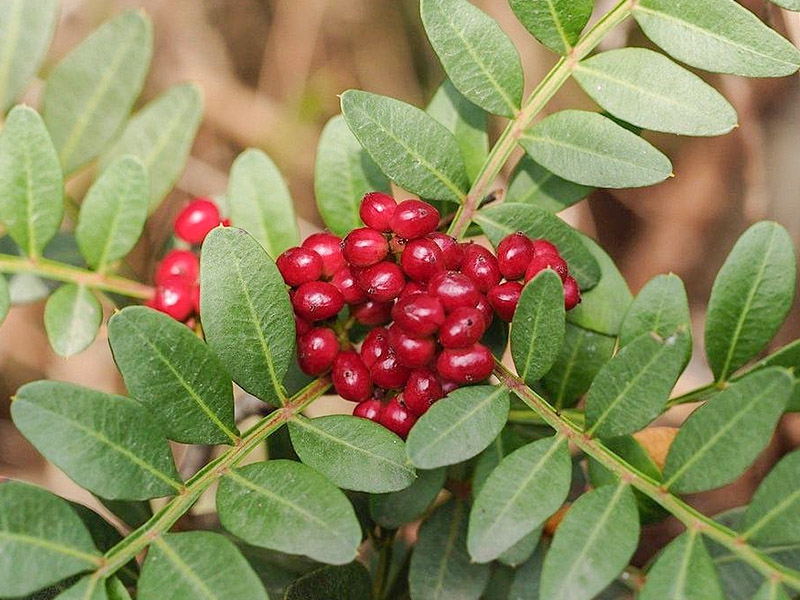
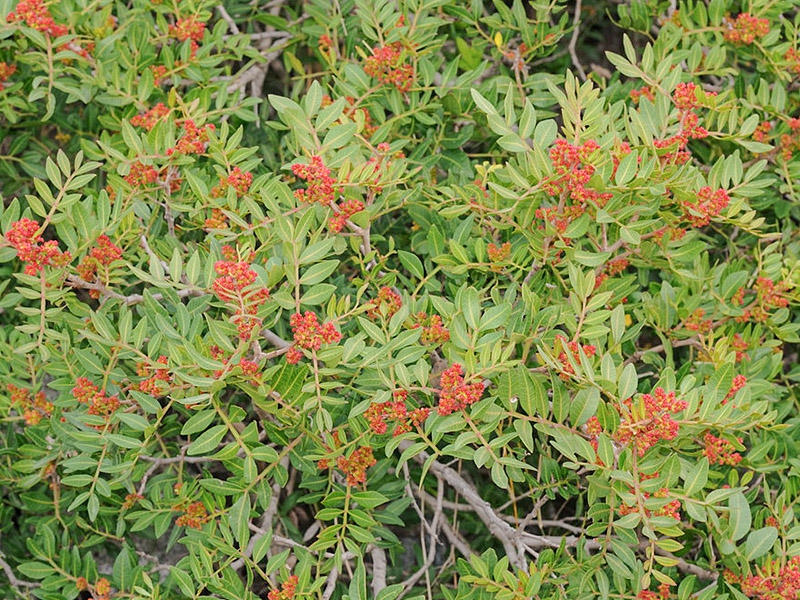
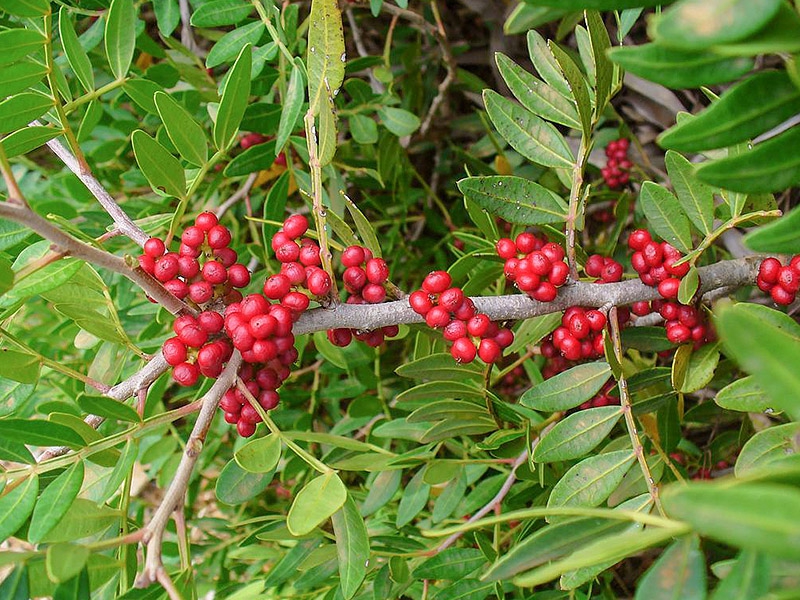
Pistacia lentiscus is an evergreen shrub native to the Mediterranean region and is well known for producing mastic resin. This section will explain the tree's growth characteristics, propagation methods, cultivation techniques, garden uses, and major pests and diseases, as well as control methods. Growth Characteristics - Environment: The mastic tree thrives in sunny locations and is resistant to dry and windy environments. - Soil: It prefers well-drained soil. It grows well in soil with a pH ranging from slightly acidic to neutral. - Growth Rate: It grows relatively slowly, and mature trees can reach a height of approximately 2 to 3 meters. Propagation Methods - Seeds: It can be propagated by seeds, but the germination rate is low, so it may take a long time. - Cuttings: It is common to propagate by cutting healthy branches in early summer. - Grafting: Grafting is also utilized commercially, primarily for the purpose of mastic production. Cultivation Methods - Watering: Although it is resistant to dry environments, regular watering is necessary during the initial establishment period. - Fertilizer: Special fertilizers are not required, but a balanced fertilizer can be used initially to aid growth. - Pruning: Light pruning is necessary to maintain the shape, and pruning is recommended, especially in the spring. Uses in Gardens - Landscape Value: It is widely used for landscaping and is particularly suitable for Mediterranean-style gardens. - Windbreak: It can serve as a windbreak in windy coastal areas. Important Pests and Control Methods - Diseases: Mastic trees are generally resistant to pests and diseases, but they can contract root rot if water is excessive. - Prevention: Use well-draining soil and avoid overwatering. - Pests: Aphids and scale insects may occur. - Control: Observe the leaves periodically and use soapy water or natural insecticides for control if necessary. With proper care, the mastic tree can be cultivated into a beautiful and useful tree. Let's make good use of it to suit the garden and enjoy its unique charm.
Plant Type
Plant Family
Anacardiaceae
Height
4.5~7.5m
Spread
6~9m
Colors
red
Bloom Period
March to August
Water Needs
commonly
Exposure
Sunny
Freezing Resistance
-10°C
Pistachia chinensis
Pistacia chinensis
Water lettuce
Pistia stratiotes