English
한국어
English
Español
中文
हिंदी
Home
News
Community
Dictionary
English
한국어
English
Español
中文
हिंदी
View list
Manila Tamarind Dulque
Pithecellobium dulce
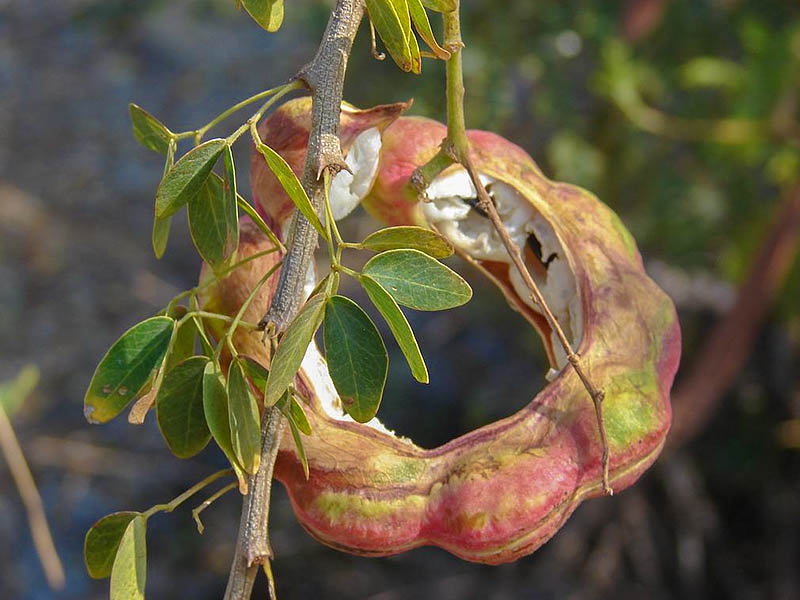
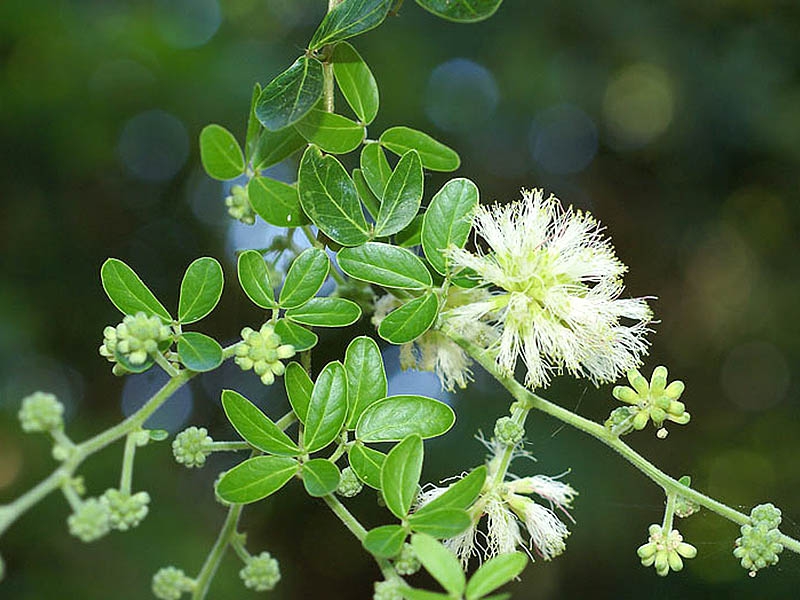
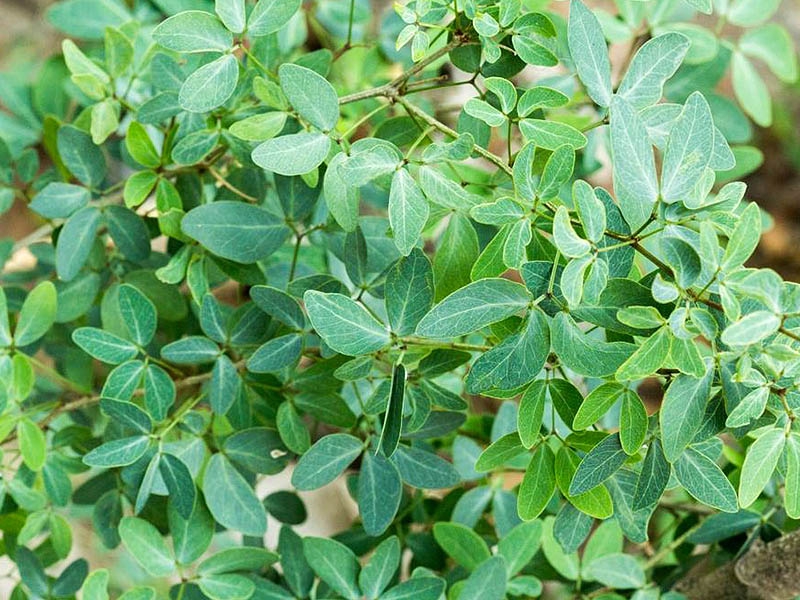
Manila Tamarind (Pithecellobium dulce) is a crop that thrives in tropical and subtropical regions. The following describes its growth characteristics, propagation methods, cultivation practices, garden uses, and major pests and diseases, as well as control methods. Growth Characteristics: - Manila Tamarind is a fast-growing tree with an optimal growth temperature of approximately 20–30°C. - It generally grows up to 10–15 meters tall, with branches spreading widely to provide shade. - The leaves are bifoliate and arranged alternately, and it produces small flowers. The flowers range in color from cream to white. Propagation Methods: - It is primarily propagated by seeds. The seeds are contained within the fruit; harvest the fully ripe fruit to collect the seeds. - It is recommended to soak the seeds in a wet cloth or water for about 24 hours before sowing. - Transplanting is most effective when the plant is young. Cultivation Methods: - It is ideal to plant outdoors where sufficient sunlight is provided. - It thrives in well-drained soil and is not significantly affected by soil type. - While it is drought-tolerant, regular watering is required during the early growth stages. Uses in Gardens: - It is used as an ornamental tree to provide shade, and its fruit is consumed for food or juice. - It is also widely used in landscaping and garden design due to the tree's aesthetic characteristics. Important Pests and Control Methods: - Pests include fungal diseases and leaf blight; these can be prevented by avoiding excessive moisture and ensuring good ventilation. - Pests include aphids and moths; soapy water or commercial pesticides can be used to control them. - For natural control methods, using predatory insects can also be considered. With proper care and robust cultivation techniques, the Manila Tamarind is a plant that can be effectively utilized in home gardens.
Plant Type
Plant Family
legumes
Height
10m
Spread
Colors
white
Bloom Period
October to November
Water Needs
commonly
Exposure
Sunny
Freezing Resistance
-5°C
Pitcarinia muscosa
Pitcairnia muscosa
money tree
Pittosporum tobira