English
한국어
English
Español
中文
हिंदी
Home
News
Community
Dictionary
English
한국어
English
Español
中文
हिंदी
View list
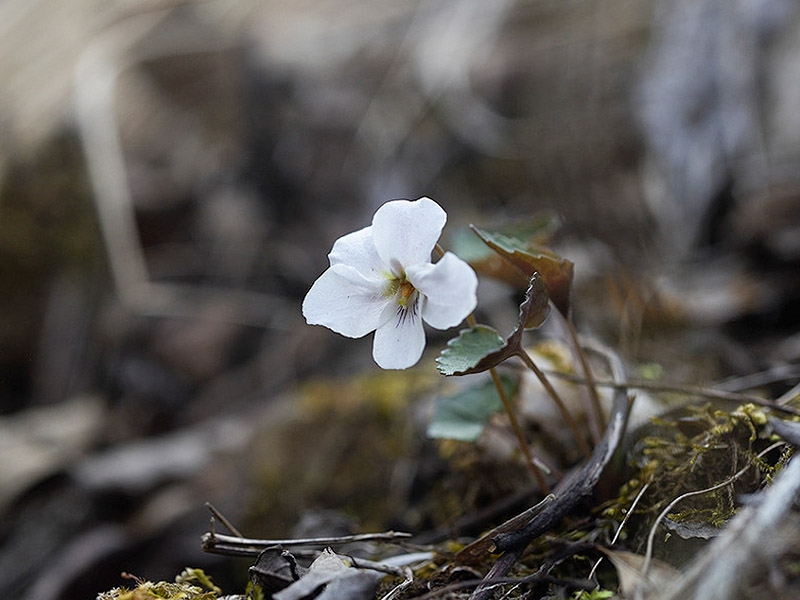
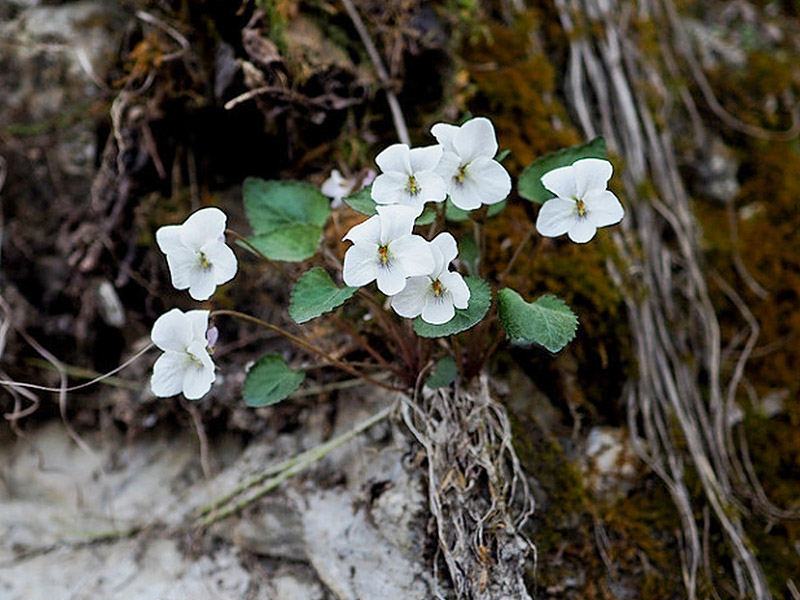
Violet of Mount Gapsan
Viola kapsanensis
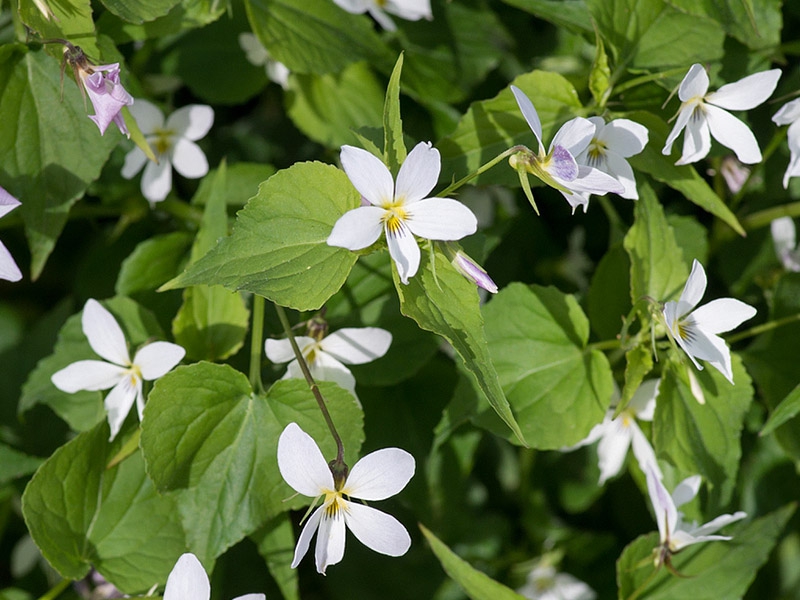
Characteristics and Cultivation Information of Viola kapsanensis Growth Characteristics Viola kapsanensis is a species endemic to Korea and thrives primarily in shady, humid areas in mountainous regions. It blooms with small purple flowers between April and May, and its leaves are heart-shaped with smooth margins. Propagation Methods This plant is primarily propagated by seeds or root division. For propagation by seeds, it is recommended to collect seeds after flowering and sow them in the autumn. Root division is possible in spring or autumn; healthy roots should be divided into several pieces for planting. Cultivation Methods Since it grows well in high-humidity environments, it is important to keep the soil consistently moist. Select well-draining soil, and planting in a partially shaded area is ideal. Apply fertilizer moderately, but avoid over-fertilization. Uses in Gardens Viola kapsanensis is suitable for shaded gardens or rock gardens and fits particularly well with natural garden designs. Because it grows to a low height, it is useful for decorating front borders. Important Pests and Control Methods Major pests include small insects such as aphids. To prevent this, regular observation is necessary, and natural pest control agents can be used. Additionally, care must be taken to prevent fungal diseases caused by excessive moisture; maintain adequate planting distance to ensure good ventilation and avoid overwatering.
Plant Type
Plant Family
Violet family
Height
4~10cm
Spread
Colors
amethyst
Bloom Period
April~May
Water Needs
commonly
Exposure
Sunny
Freezing Resistance
-10°C
hairy violet
Viola keiskei
Japanese violet
Viola japonica