English
한국어
English
Español
中文
हिंदी
Home
News
Community
Dictionary
English
한국어
English
Español
中文
हिंदी
View list
Pheasant fern
Plagiogyria euphlebia
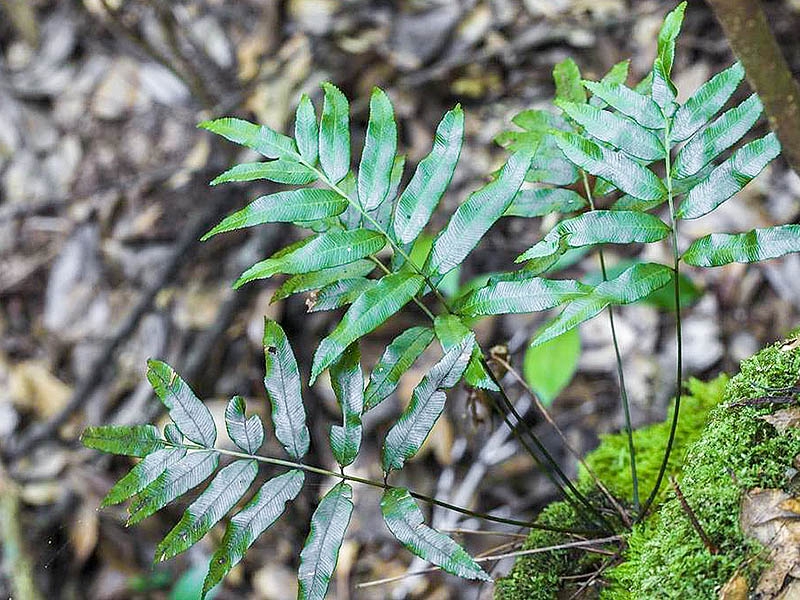
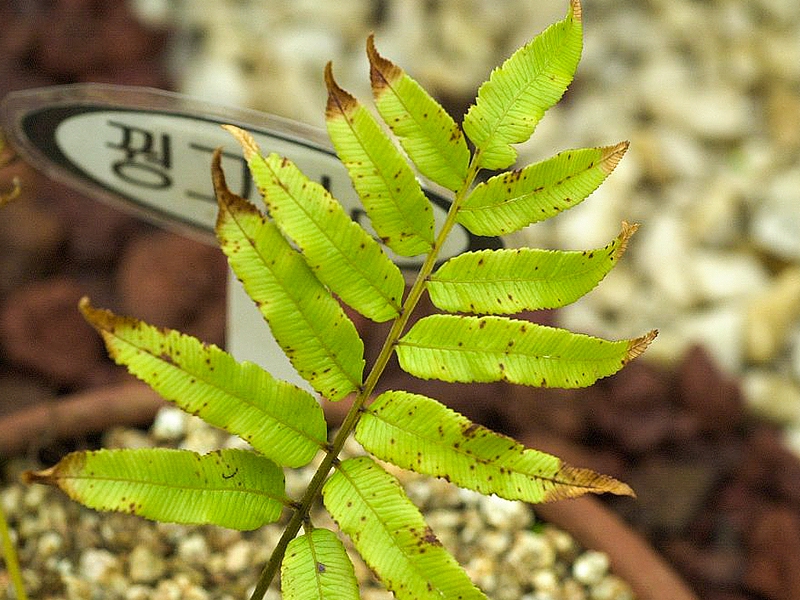
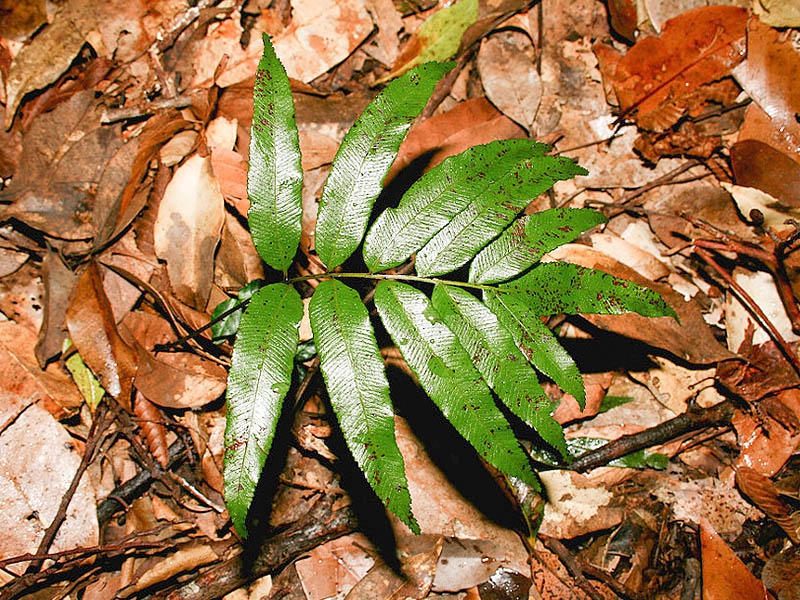
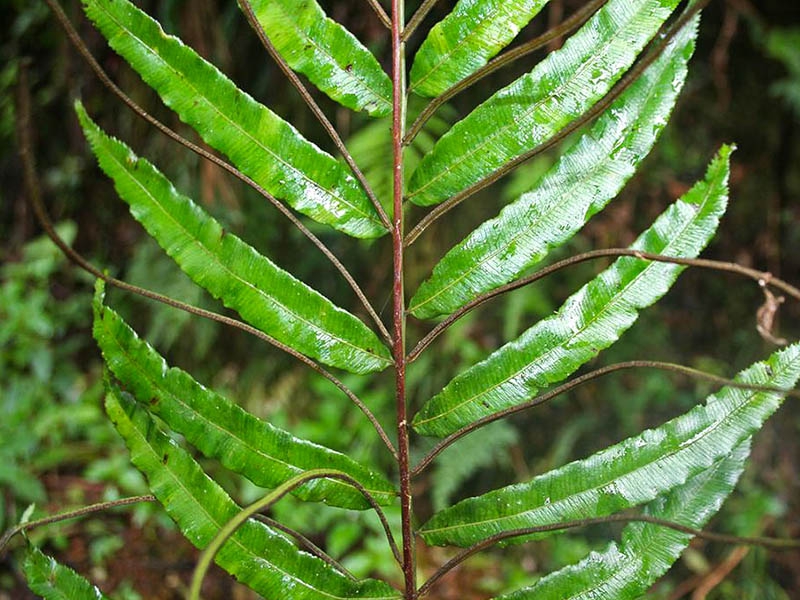
Plagiogyria euphlebia is one of the most popular ferns in gardens due to its beautiful appearance and unique growth characteristics. Here, we will explain its growth characteristics, propagation methods, cultivation methods, garden uses, and major pests and diseases, as well as control methods. Growth Characteristics - Environmental Requirements: Plagiogyria thrives primarily in partial shade and prefers soil rich in high humidity and organic matter. - Temperature: It grows well in warm climates, but growth may be inhibited in excessively cold environments. - Water Management: Well-drained soil is required; while excessive moisture should be avoided, maintaining adequate hydration is important. Propagation Methods - Spore Propagation: Plagiogyria can be propagated by spores, and the common method involves collecting mature spores and germinating them. - Division Propagation: It can also be propagated by dividing existing plants. This method yields results relatively quickly compared to spore propagation. Cultivation Methods - Planting: Plant in soil rich in organic matter that provides partial shade. - Watering: Consistent moisture management is required; care must be taken to prevent water shortages, especially during the summer. - Fertilizer: Generally, use fertilizers specifically designed for ferns to provide adequate nutrition during the growing season. Uses in the Garden - Ornamental Value: The Pteridium aquilinum has leaves with a unique texture, making it an excellent visual focal point in the garden. - Background Plant: It blends well as a backdrop for other flowering plants, adding variety to landscape designs. Important Pests and Control Methods - Diseases: While generally resistant to diseases, fungal diseases may occur due to excessive moisture. - Control: Ensure good ventilation and use appropriate fungicides if necessary. - Pests: Aphids or scale insects may occur. - Control: Observe the plant periodically; if pests are found, remove them immediately or use appropriate insecticides. Based on this information, you can grow healthy Pteridium aquilinum and enjoy it in your garden.
Plant Type
Plant Family
Pheasant fern family
Height
30~50cm
Spread
Colors
sporophyte
Bloom Period
July to September (spore period)
Water Needs
commonly
Exposure
semi-shaded area
Freezing Resistance
-10°C
Island pheasant fern
Plagiogyria japonica
King plantain
Plantago major var. japonica