English
한국어
English
Español
中文
हिंदी
Home
News
Community
Dictionary
English
한국어
English
Español
中文
हिंदी
View list
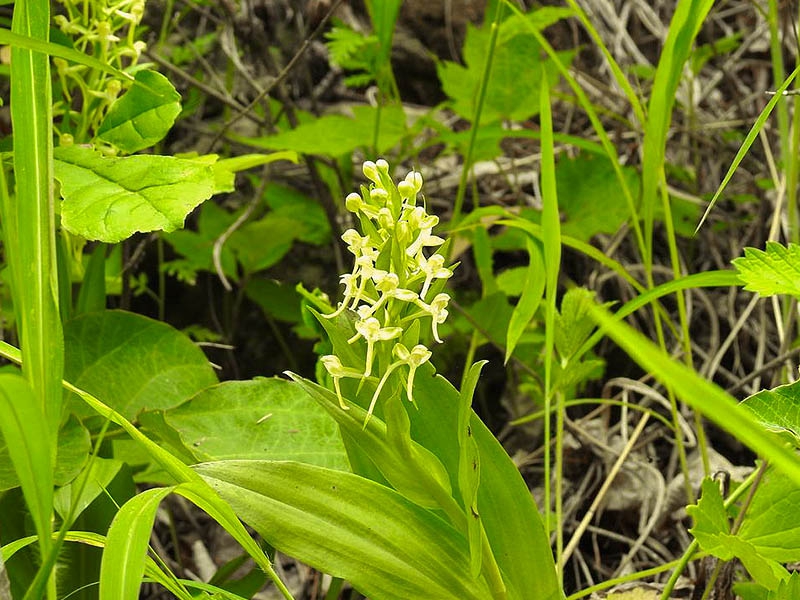
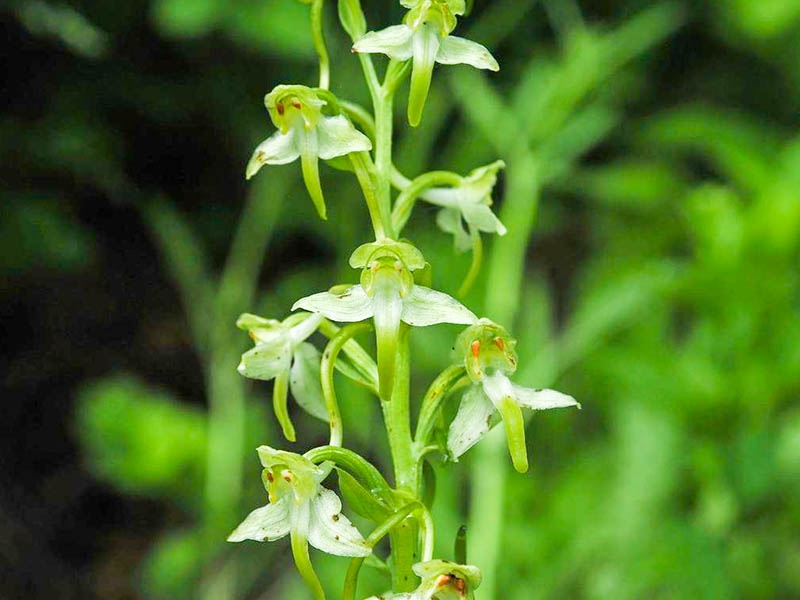
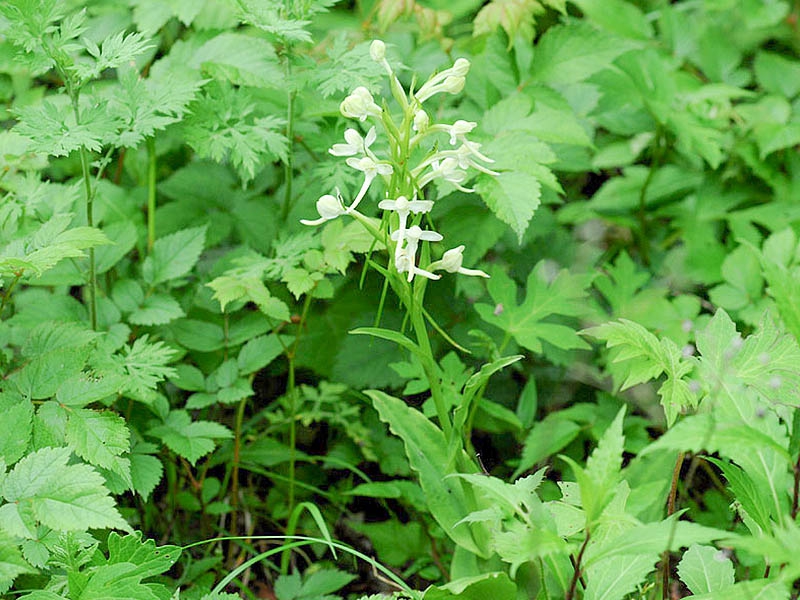
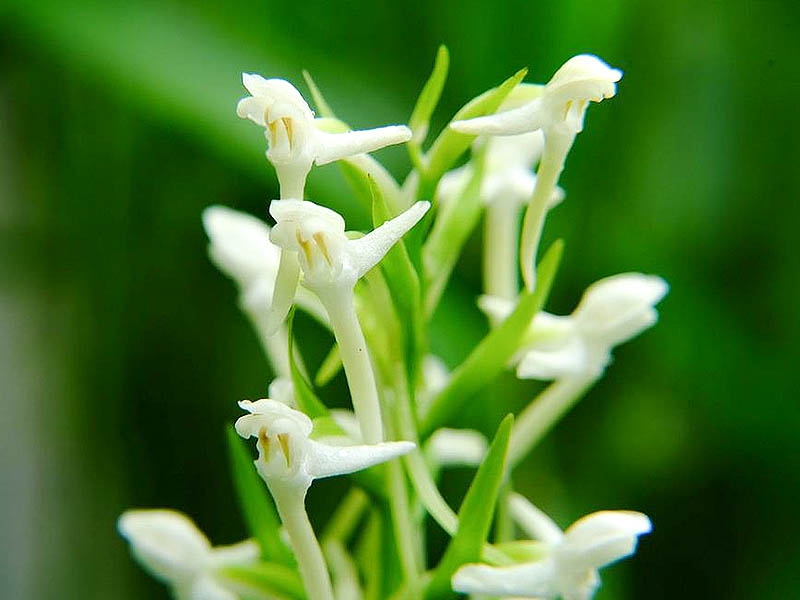
Seagull Orchid
Platanthera japonica
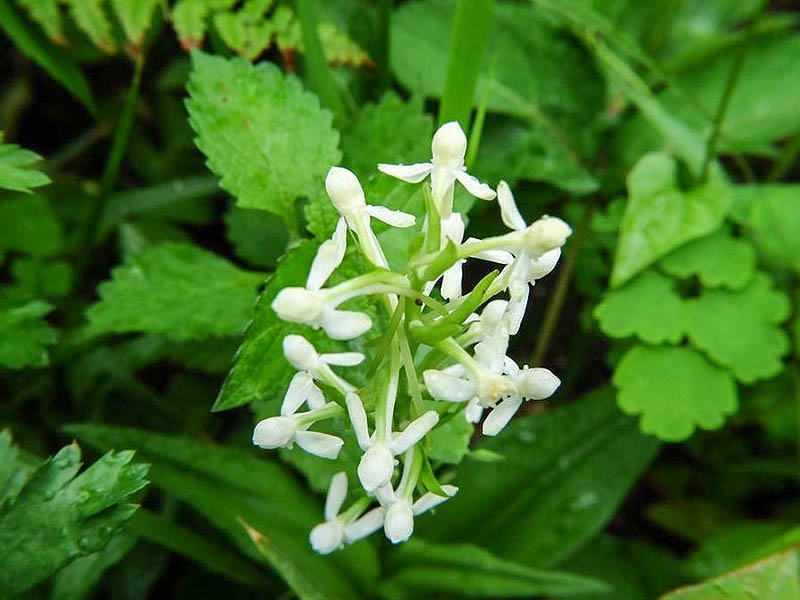
Platanthera japonica is an orchid species primarily distributed in Asia, characterized by the following growth traits and methods of propagation and cultivation. Growth Traits - Growing Environment: Platanthera thrives in moist, shady forest areas. It prefers well-drained soil and partial shade, and in its natural habitat, it is mainly found beneath the leaf litter layer. - Plant Characteristics: It grows to a height of approximately 20–40 cm and features small white flowers that bloom during the summer. Propagation Methods - Seed Propagation: Due to the nature of the orchid species, propagation by seeds is difficult. Germination requires symbiosis with specific fungi. - Asexual Propagation (Asexual Reproduction): It is primarily propagated by division. Healthy roots are divided and planted in spring or autumn. Cultivation Methods - Soil Preparation: Prepare a well-draining soil mixture such as leaf mold or coarse sand. - Watering: During the growing season, water to keep the soil moderately moist, ensuring good drainage. - Light Control: Avoid strong direct sunlight; it is best to grow it in partial shade. Uses in the Garden - Aesthetics: Place it in shaded areas of the garden to add a natural and elegant atmosphere. It is primarily suitable for flowerbeds in partial shade. - Landscaping: It is excellent for planting alongside other wetland plants under trees or in small rock gardens. Important Pests and Control Methods - Diseases: Root rot caused by overwatering can be a major issue. Proper drainage management is crucial to prevent this. - Pests: Mollusks such as snails may gnaw on the leaves. To prevent this, use snail attractants or physically remove them. With proper care and environment, the Yaponica japonica can add a unique charm to your garden with its beautiful flowers.
Plant Type
Plant Family
Orchid family
Height
40∼60cm
Spread
Colors
white
Bloom Period
June to August
Water Needs
commonly
Exposure
semi-shaded area
Freezing Resistance
-10°C
Mountain swallow
Platanthera mandarinorum
White swallow
Platanthera hologlottis