English
한국어
English
Español
中文
हिंदी
Home
News
Community
Dictionary
English
한국어
English
Español
中文
हिंदी
View list
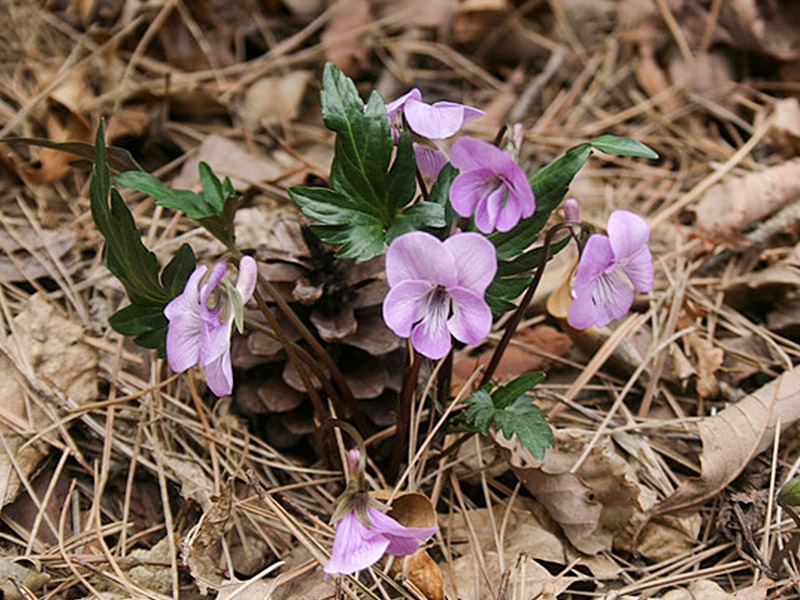
Hwaeomjebi flower
Viola ibukiana
Viola ibukiana is a plant with a unique shape and beautiful flowers that grows wild primarily in forest areas. The following is a guide to the plant's growth characteristics, propagation methods, cultivation methods, garden uses, major pests and diseases, and control methods. Growth Characteristics - Growing Environment: Viola ibukiana thrives in shady, moist areas within forests. It also grows well in semi-shaded environments with some sunlight. - Soil: It prefers fertile, well-drained soil. It can grow well in acidic or neutral soil. - Growth Cycle: It grows vigorously in the spring and blooms during the summer. Propagation Methods - Seed Propagation: Viola ibukiana can be propagated by seeds. Collect seeds and plant them immediately, or store them in the refrigerator and plant them in early spring. - Division: Mature plants can also be propagated by dividing the clumps. Carefully divide the roots in the spring or autumn. Cultivation Methods - Planting Time: Spring or autumn is the most suitable time for planting. Planting during these periods promotes better root establishment. - Watering: Viola japonica likes water, but care must be taken to avoid overwatering in poorly drained areas. Water when the surface soil dries out. - Fertilizer: Applying an appropriate amount of slow-release fertilizer during the growing season is beneficial. Uses in the Garden - Flowerbeds: Planting in shady flowerbeds adds beauty on its own. - Natural Style Gardens: Useful for enhancing the landscape in natural style gardens. It can be planted alongside other wildflowers to create harmony. Important Pests and Control Methods - Diseases: Caution is required as overwatering can lead to root rot. Attention must be paid to drainage. - Pests: Generally, when growing healthily, it is resistant to pests and diseases. However, it may be susceptible to damage from aphids or snails; in such cases, control can be achieved using appropriate insecticides or eco-friendly methods. I hope this information helps you better understand and cultivate Viola ibukiana.
Plant Type
Plant Family
Violet family
Height
10cm
Spread
Colors
purple
Bloom Period
april
Water Needs
commonly
Exposure
semi-shaded area
Freezing Resistance
-10°C
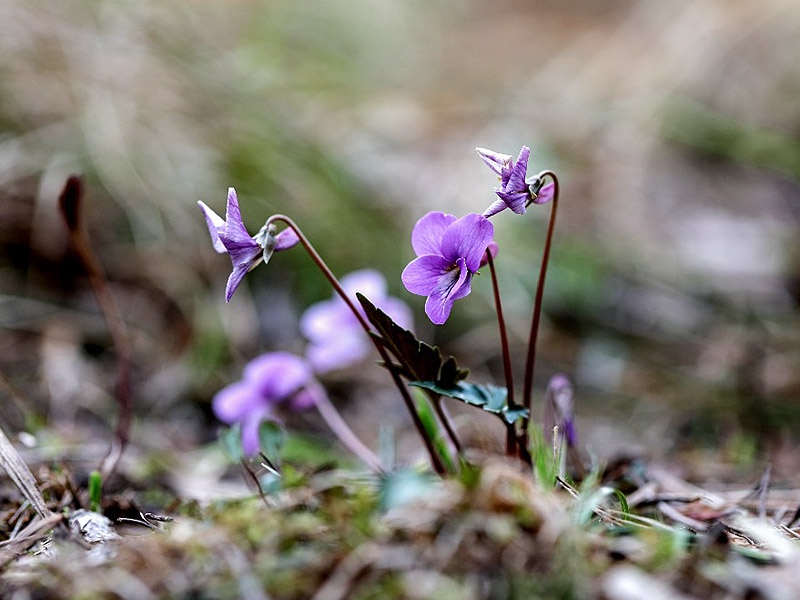
Japanese violet
Viola japonica
White-haired violet
Viola hirtipes