English
한국어
English
Español
中文
हिंदी
Home
News
Community
Dictionary
English
한국어
English
Español
中文
हिंदी
View list
Polypodioides fern
Pleopeltis polypodioides
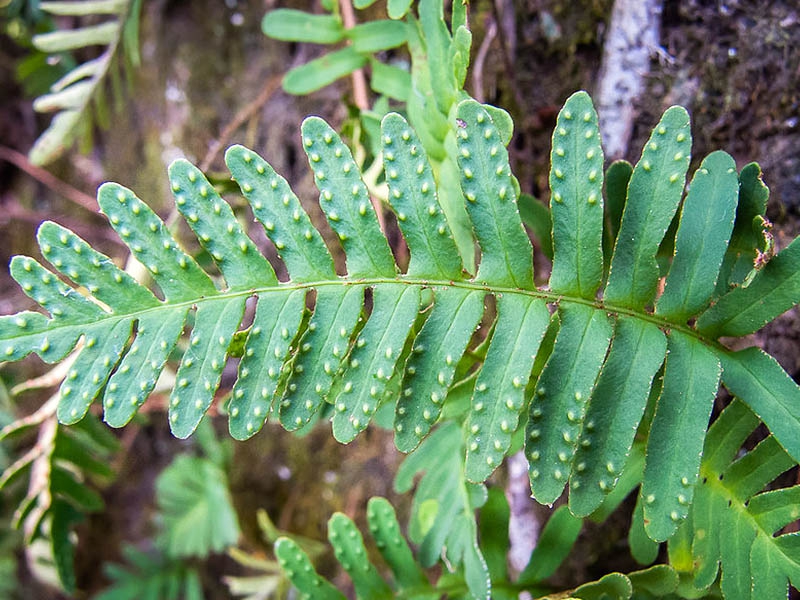
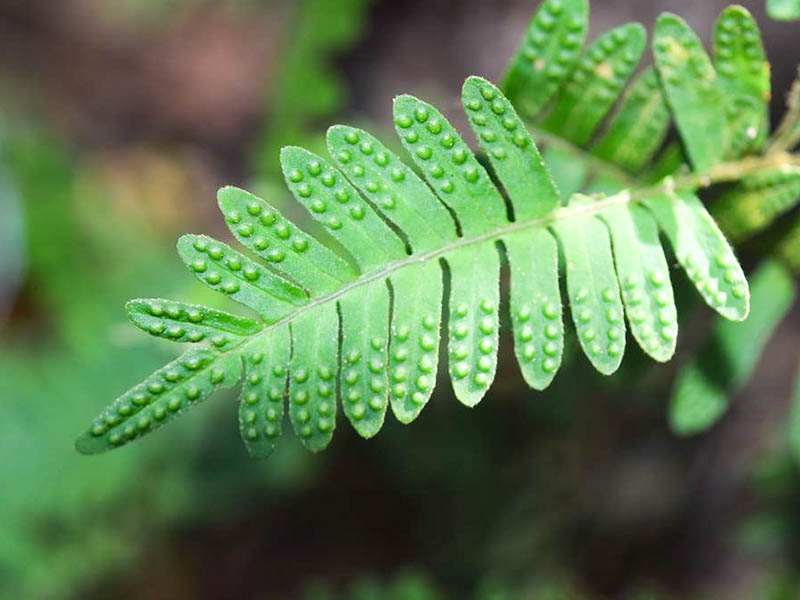
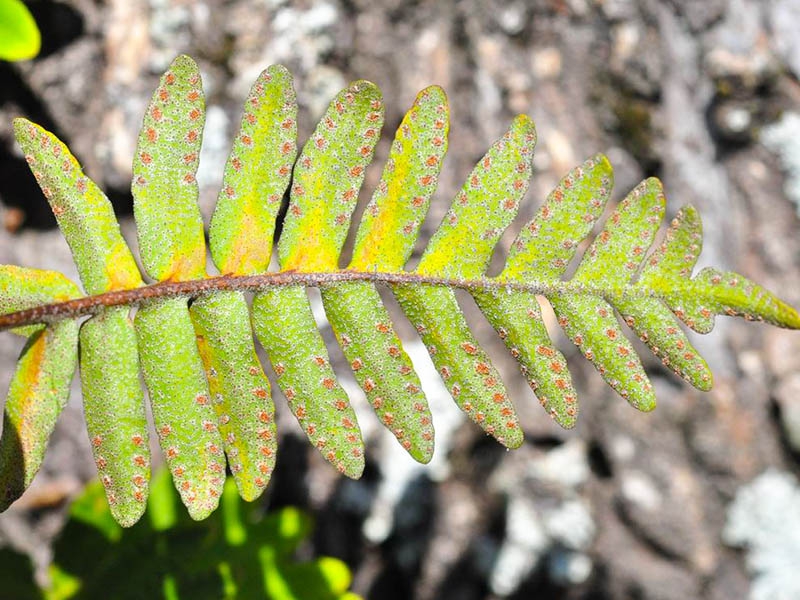
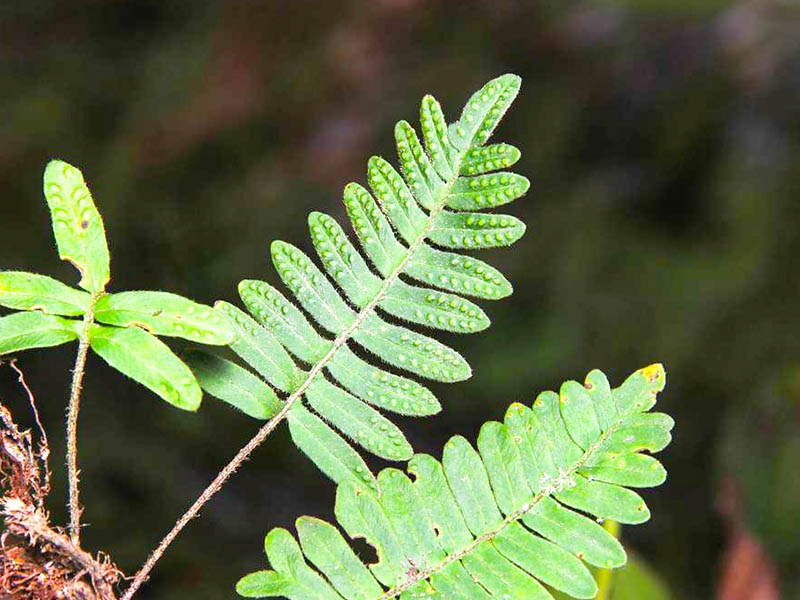
The following information covers the growth characteristics, propagation methods, cultivation methods, garden uses, and major pests and diseases and control methods of Pleopeltis polypodioides: Growth CharacteristicsPleopeltis polypodioides is a perennial evergreen plant that thrives in high-humidity environments. This plant possesses a unique drought tolerance; it enters a dormant state when water is scarce and recovers quickly upon receiving water again. Due to this characteristic, it is also known as the "resurrection plant." Propagation MethodsPleopeltis polypodioides primarily reproduces by spores, but since spore propagation can take some time, root division is also an effective method. Root division is performed in spring or early summer when the plant is growing vigorously; simply plant the cut root section in a new pot. Cultivation MethodsThis fern thrives in locations with indirect sunlight, avoiding direct sunlight. Additionally, it is important to maintain well-draining soil and high humidity. Water regularly to keep the soil moist, ensuring good drainage. Watering frequency should be reduced during the winter, and it is recommended to apply diluted liquid fertilizer about once every two weeks during the growing season from spring to summer. Uses in the GardenPteris polypodioides can be used as a ground cover plant in the garden and looks good planted in rock gardens or on tree stumps. It is particularly suitable for vertical greening in areas with high humidity. Important Pests and Control Methods While it is generally resistant to pests and diseases, mold can develop due to insufficient ventilation. To prevent this, ensure smooth airflow and create a well-ventilated environment. Additionally, since poor soil drainage can lead to root rot, it is important to lay a thick layer of drainage soil to ensure proper drainage. If pests or diseases occur, they can be controlled by removing them and using appropriate pesticides.
Plant Type
Plant Family
Polypodiaceae
Height
15~30cm
Spread
15~30cm
Colors
sporophyte
Bloom Period
March to August (spore period)
Water Needs
commonly
Exposure
semi-shaded area
Freezing Resistance
-10°C
Minor Pleiosphilos
Pleiospilos compactus subsp. minor
Polygonum multiflorum
Reynoutria multiflora