English
한국어
English
Español
中文
हिंदी
Home
News
Community
Dictionary
English
한국어
English
Español
中文
हिंदी
View list
Siberian Poa
Poa sibirica
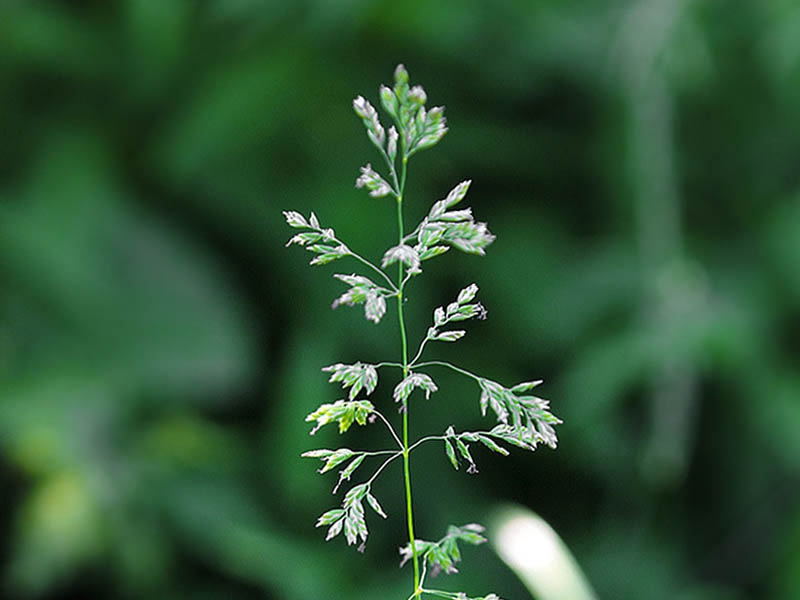
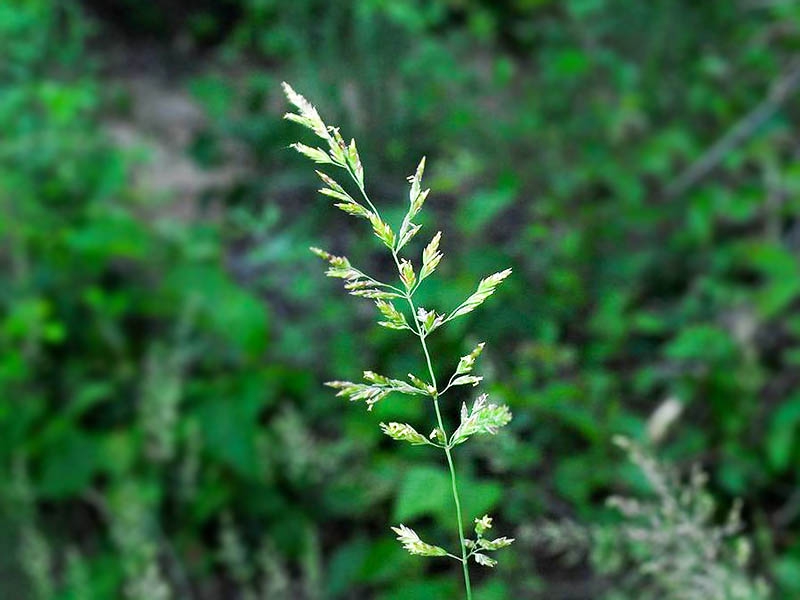
Poa sibirica is a perennial plant distributed in Siberia and the Far East. The following describes the plant's growth characteristics, propagation methods, cultivation methods, garden uses, major pests and diseases, and control methods. Growth Characteristics - Environmental Adaptability: It adapts well to cold climates and prefers cool, moist soil. - Growth Form: It has shallow roots and propagates via rhizomes. - Humidity and Sunlight: It requires moderate sunlight but can grow in partial shade. Propagation Methods - Seed Propagation: It can be propagated by sowing seeds in spring or autumn. - Rhizome Propagation: Propagating by separating rhizomes from mature plants is also effective. Cultivation Methods - Suitable Soil: Choose well-draining soil, but avoid soils that are too dry or too humid. - Watering: Provide moisture when the soil surface becomes dry, but avoid overwatering. - Fertilization: Apply an appropriate amount of organic fertilizer in spring and autumn to promote healthy growth. Uses in the Garden - Ornamental: Plant along garden borders or edges to enhance the landscape. - Lawn Substitute: Can be used as an easy-to-maintain grass substitute. Important Pests and Control Methods - Diseases: Fungal diseases may occur in humid environments; prevent them through proper ventilation and drainage. - Pests: Insects or aphids may appear in some areas; minimize damage by using eco-friendly insecticides if necessary or through periodic inspections. Poa Siberiana (Poa Sibirica) is a relatively easy-to-care-for plant; with the right environment and care, it can create a sufficiently beautiful landscape.
Plant Type
Plant Family
Poaceae
Height
50~120cm
Spread
Colors
white, brown
Bloom Period
May to July
Water Needs
commonly
Exposure
Sunny
Freezing Resistance
-50°C
Poa grass
Poa sphondylodes
small bundle grass
Poa radula