English
한국어
English
Español
中文
हिंदी
Home
News
Community
Dictionary
English
한국어
English
Español
中文
हिंदी
View list
small bundle grass
Poa radula
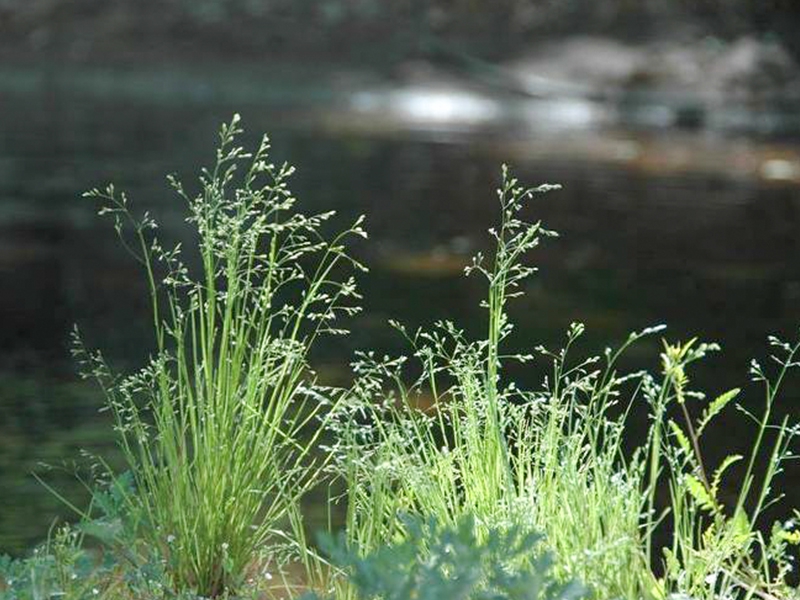
I will explain the growth characteristics, propagation methods, cultivation methods, garden uses, major pests and diseases, and control methods of Poa radula. Growth CharacteristicsPoa radula is a perennial herb that thrives in temperate climates. It grows to a height of 30 to 60 cm, and its leaves are slender, long, and linear. The leaves are bright green, and it grows relatively quickly compared to other grasses of the same season. Propagation MethodsIt is primarily propagated by seeds. Sowing usually takes place in the spring, and seeds germinate well when the soil temperature is appropriate. Propagation by dividing rhizomes can also be used. Cultivation MethodsIt grows well in sunny locations and can be cultivated in various soil conditions with good drainage. However, proper watering is important, and care must be taken to prevent the soil from drying out, as it is susceptible to drought. It is recommended to apply an appropriate amount of fertilizer early in the growing season. Use in Gardens Primarily used as a substitute for lawn grass, it maintains a consistent height like grass while providing a neat appearance. It offers a calm and natural aesthetic, making it highly valuable for garden use. Major Pests and Control Methods Pests and diseases that commonly occur include leaf blight and leaf rust. To reduce disease occurrence, care should be taken to avoid overwatering during the breeding season, and it is recommended to use appropriate fungicides when necessary. Pests may include gnawing insects such as grasshoppers; in this case, the use of appropriate insecticides is recommended for pest control. Please note that the above information is a general guide. Differentiated management may be required depending on the local environment.
Plant Type
Plant Family
Poaceae
Height
40~120cm
Spread
Colors
green
Bloom Period
May~June
Water Needs
commonly
Exposure
Sunny
Freezing Resistance
-20°C
Siberian Poa
Poa sibirica
King Poa grass
Poa pratensis