English
한국어
English
Español
中文
हिंदी
Home
News
Community
Dictionary
English
한국어
English
Español
中文
हिंदी
View list
King Poa grass
Poa pratensis
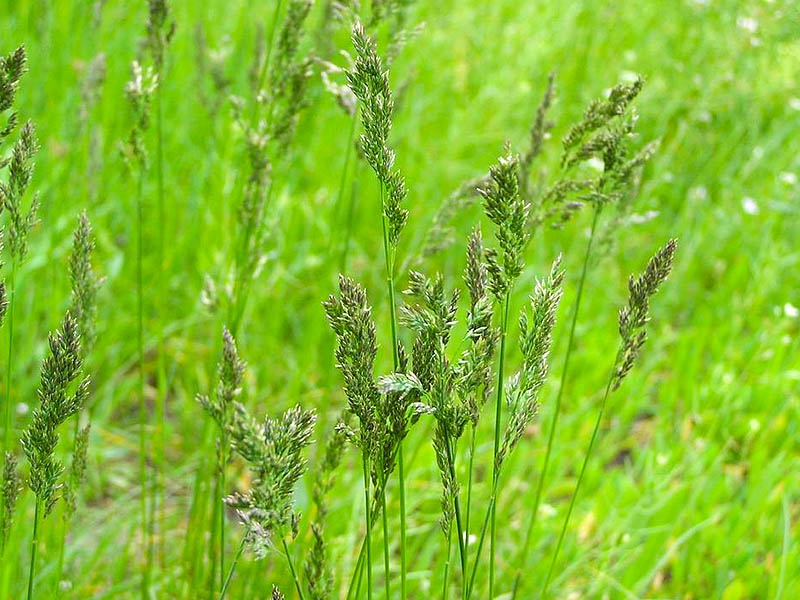
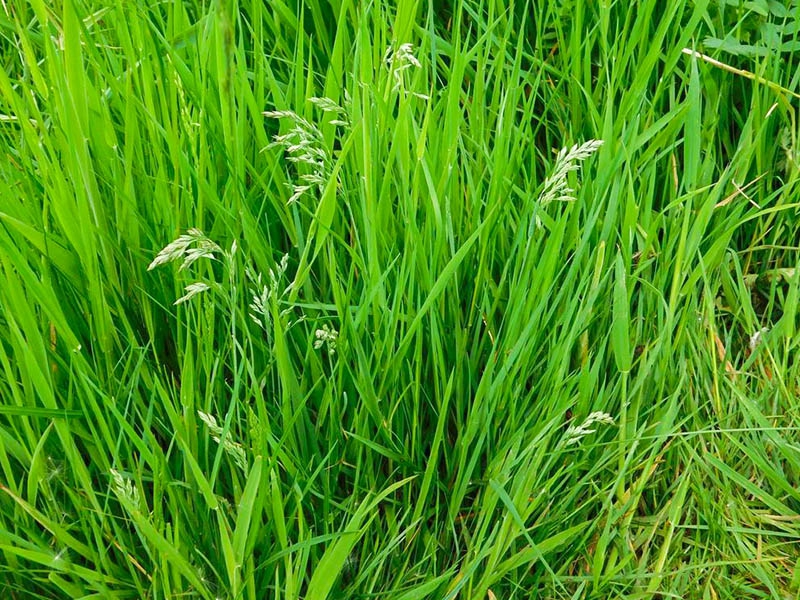
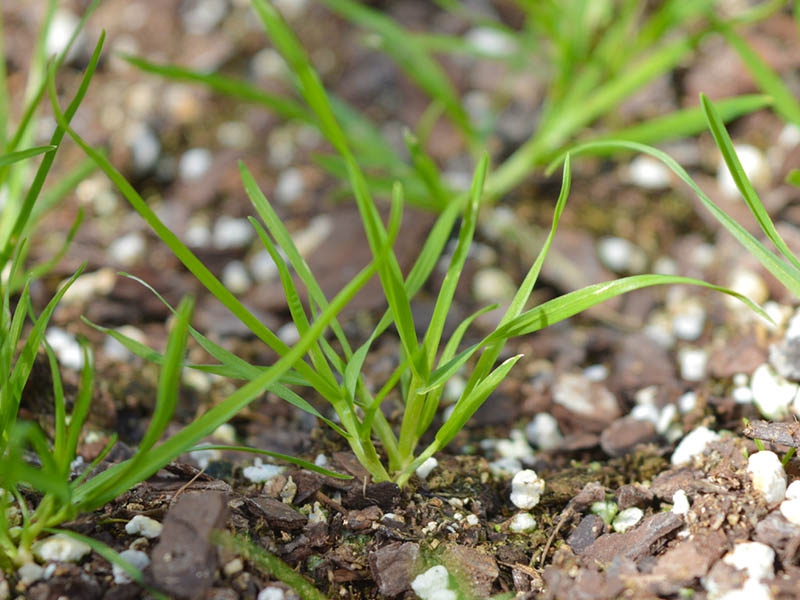
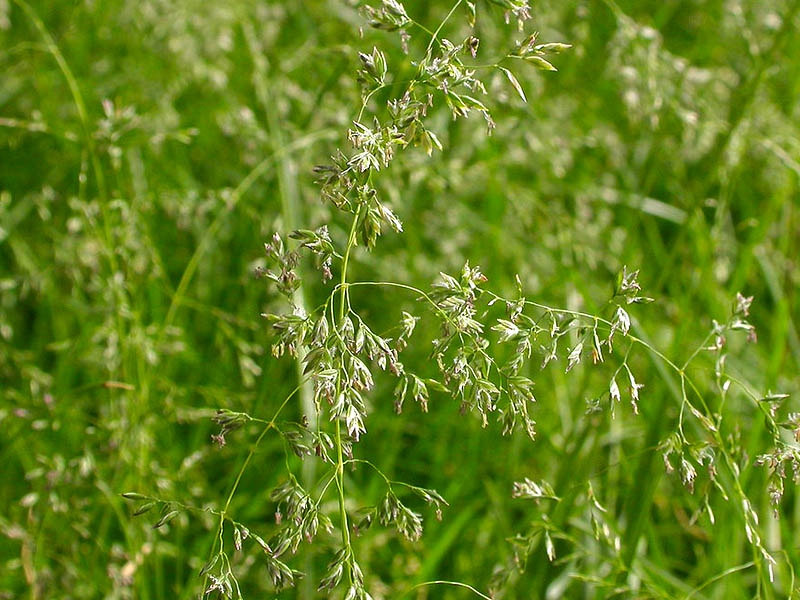
Poa pratensis, commonly known as Kentucky bluegrass, is a plant primarily used as turf in temperate regions. The following is information regarding the growth characteristics of this plant. Growth Characteristics - Growth Cycle: As a perennial grass, it thrives particularly well during cooler seasons, with vigorous growth occurring in spring and autumn. - Environmental Requirements: It exhibits optimal growth in sunny locations and also grows relatively well in partial shade. It prefers well-drained, sunny soil. - Tolerance: It is resistant to cold and possesses moderate drought and heat tolerance. Propagation Methods - Seed Sowing: It is propagated by seeds, and sowing in spring or autumn is recommended. Simply scatter the seeds on the surface of the soil and cover them with a thin layer of soil. - Division: It can also be propagated by dividing the roots. This method is mainly used in late spring or early autumn. Cultivation Method - Sowing Time: Sow during the cool seasons of spring or autumn; the highest germination rate is observed when temperatures are moderate. - Watering: Consistent watering is necessary, but the soil should not become too wet. It is especially important to provide sufficient water for about a month after the first germination. - Fertilizer: Using a balanced fertilizer is recommended, and fertilizing during the spring growing season is effective. Garden Use - Applications: Primarily used in lawns, sports fields, and parks. Its soft, dense texture provides a pleasant feel underfoot. - Landscaping: Used as a decorative element in gardens where uniform and beautiful greenery is desired. Major Pests and Diseases and Control Methods - Diseases: Brown spot disease and powdery mildew may occur. To prevent this, it is important to maintain a well-ventilated and sunny environment, and to use appropriate pesticides if necessary. - Pests: Damage from leaf beetles and various other pests may occur. Conduct periodic inspections for pest management, and use appropriate insecticides if pests are found. By properly managing Poa platyphylla with these characteristics in mind, you can maintain a healthy and beautiful lawn.
Plant Type
Plant Family
Poaceae
Height
30∼80cm
Spread
Colors
green
Bloom Period
June–July
Water Needs
commonly
Exposure
Sunny
Freezing Resistance
-30°C
small bundle grass
Poa radula
snow poda
Poa palustris