English
한국어
English
Español
中文
हिंदी
Home
News
Community
Dictionary
English
한국어
English
Español
中文
हिंदी
View list
Propoboa grass
Poa nemoralis
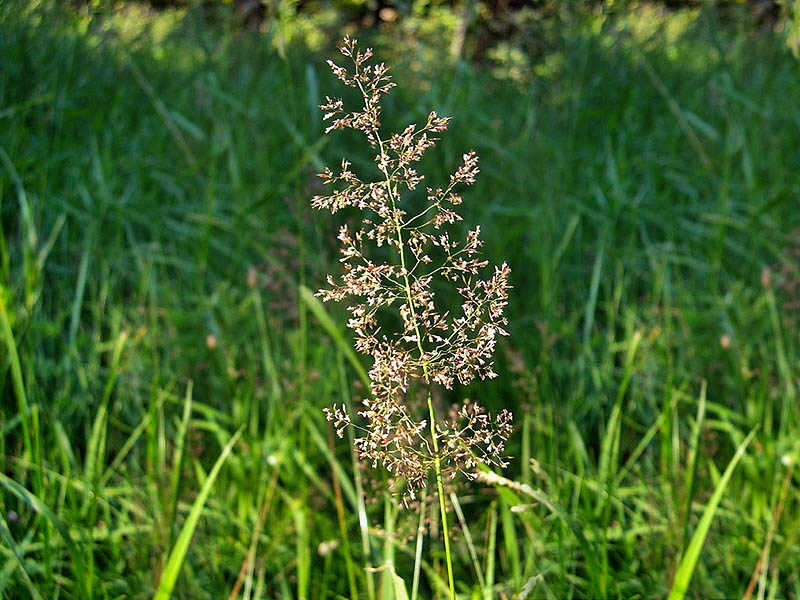
Poa nemoralis is a perennial herbaceous plant belonging to the family Poaceae, characterized by its ability to thrive even in shade. The following is information regarding this plant's growth characteristics, propagation methods, cultivation methods, garden uses, and major pests and diseases, as well as control methods. Growth Characteristics - Environmental Adaptability: It grows well in shady areas and thrives in relatively moist soil. However, growth may be poor in soils with poor drainage. - Temperature: It thrives in temperate climates but may be somewhat vulnerable to extreme temperatures. - Soil: It can grow in a wide range of soil pH from acidic to neutral, and adding high-quality compost aids in growth. Propagation Methods - Seed Propagation: Propagation by seeds is common. Sow in spring or autumn, and maintain appropriate humidity to promote germination. - Root Division: It can also be propagated by dividing the roots of mature plants. This is primarily done when dividing clumps. Cultivation Method - Soil Preparation: Thoroughly till the soil before planting and mix in organic fertilizer. - Sowing Time: Generally, sow in spring or autumn. Sowing at these times allows for the utilization of natural rainfall, which is advantageous for early germination. - Watering: Sufficient moisture is required during the initial stages; once the roots are established, watering about once a week is appropriate. - Weed Management: Remove competing plants during the early growth stage to help the Popoa nemoralis establish itself well. Uses in the Garden - Landscape Creation: It is well utilized as a ground cover plant in shaded gardens or under trees. - Ground Cover: It can be used when you desire a casual garden with low maintenance. Major Pests and Control Methods - Diseases: Although relatively resistant to disease, fungal diseases may occur if there is excessive moisture. In such cases, removing diseased parts and improving the environment to ensure good ventilation is effective. - Pests: Aphids or other small pests may occur. You can use natural predators or, if necessary, organic pest control agents. The information above will be helpful for cultivating Polygonum Nemoralis. This plant is an attractive choice for garden care as it can grow healthily without special maintenance or significant effort.
Plant Type
Plant Family
Poaceae
Height
30~70cm
Spread
Colors
green
Bloom Period
June
Water Needs
commonly
Exposure
Sunny
Freezing Resistance
-30°C
snow poda
Poa palustris
slender bluegrass
Poa matsumurae