English
한국어
English
Español
中文
हिंदी
Home
News
Community
Dictionary
English
한국어
English
Español
中文
हिंदी
View list
slender bluegrass
Poa matsumurae
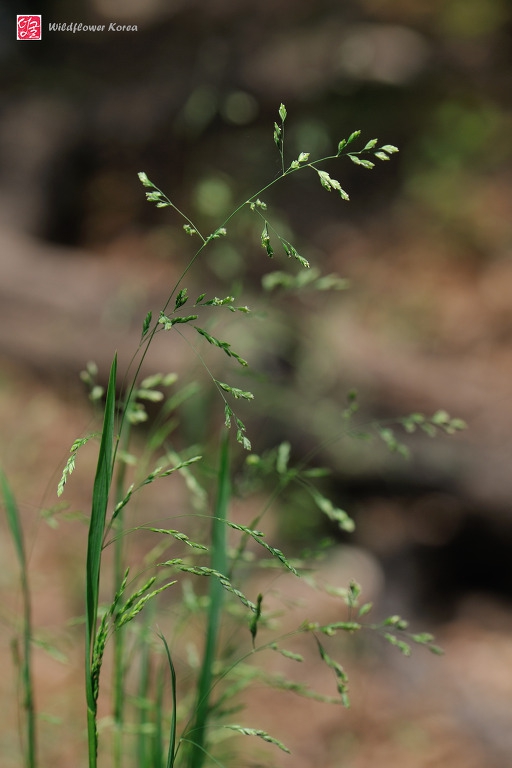
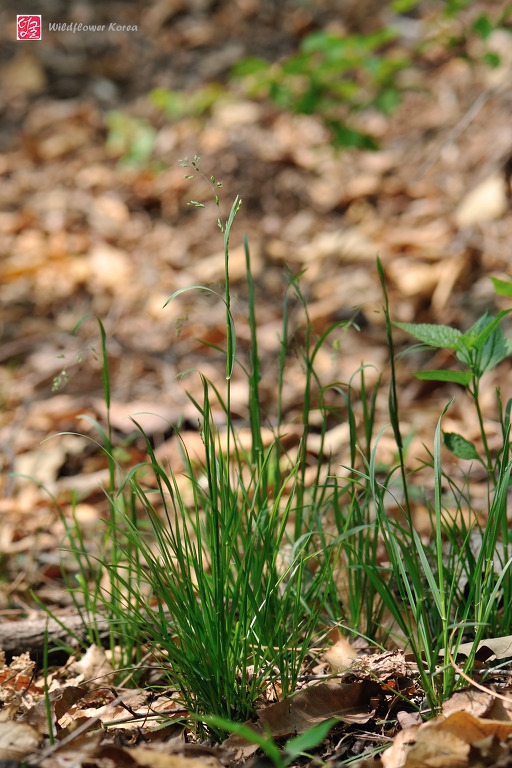
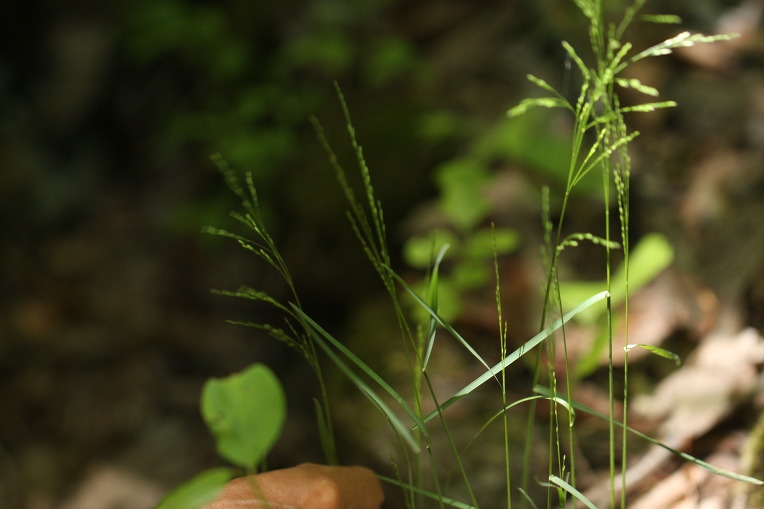
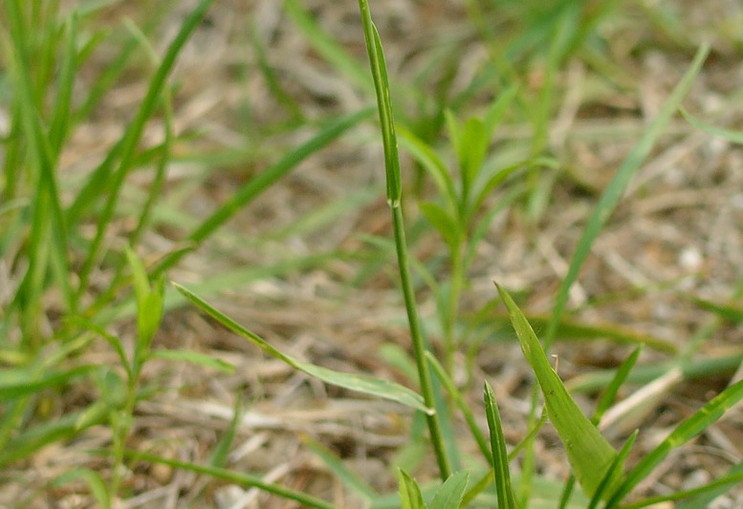
Growth Characteristics, Propagation Methods, Cultivation Methods, Garden Uses, Major Pests and Diseases, and Control Methods of Poa matsumurae - Growth Characteristics: - Poa matsumurae is a perennial grass that thrives primarily during cool seasons. - It grows to a height of approximately 30–60 cm, forming fine leaves and delicate inflorescences. - It possesses strong adaptability and can grow in various soil conditions. - Propagation Methods: - It is primarily propagated by seeds or division. - Seeds are sown in spring or autumn, and the germination rate is relatively high. - Division is a method of dividing the plant mass and planting it; it is best performed during periods of excellent growth. - Cultivation Methods: - It thrives in well-drained soil and requires a location with sufficient sunlight. - Care should be taken to avoid overwatering; it is recommended to water only when the soil is dry. - Apply fertilizer moderately only during the spring, and avoid excessive use. - Use in the Garden: - Bluegrass is excellent for use as a substitute for lawn grass. - It is also good to plant alongside other wildflowers to create a natural garden landscape. - The elegant leaves and flower clusters swaying in the wind are visually very attractive. - Important Pests and Control Methods: - It is generally resistant to pests and diseases, but root rot can occur due to excessive moisture. - To prevent root rot, ensure good drainage and regulate watering appropriately. - Aphids or moths may occur; these can be controlled using natural predators or organic insecticides. With proper care and environment, bluegrass is a plant that can create a beautiful landscape in the garden.
Plant Type
Plant Family
Poaceae
Height
50∼80cm
Spread
Colors
green
Bloom Period
May to July
Water Needs
commonly
Exposure
Sunny
Freezing Resistance
-15°C
Propoboa grass
Poa nemoralis
Poa gracilis
Poa malacantha var. shinanoana