English
한국어
English
Español
中文
हिंदी
Home
News
Community
Dictionary
English
한국어
English
Español
中文
हिंदी
View list
Poa gracilis
Poa malacantha
var.
shinanoana
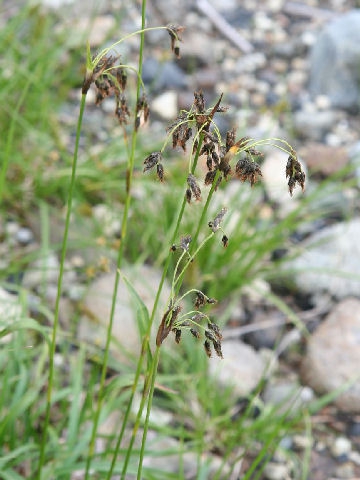
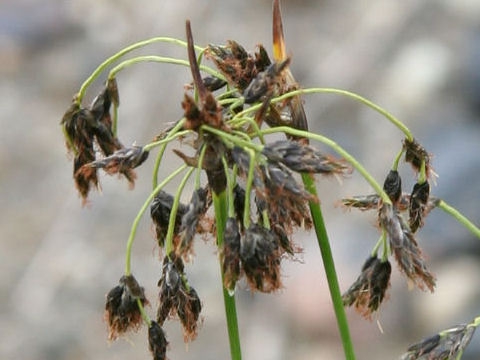
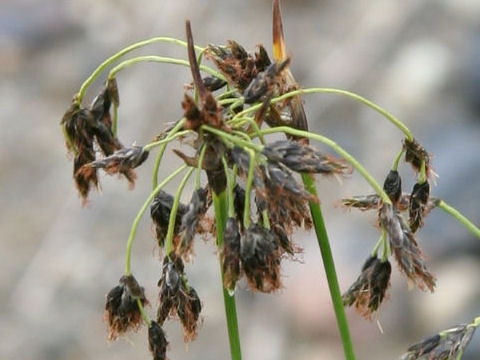
Growth Characteristics Alpine Poa Malacanthus var. suhina no ana is a perennial herb that primarily grows in dry, sunny areas of mountainous regions. This plant prefers cool climates and possesses high cold tolerance, allowing it to thrive even in cold climates. Propagation Methods This variety is mainly propagated by seeds. To increase germination rates, prepare the soil well before planting and sow the seeds shallowly. Additionally, spring or autumn is the best time to sow seeds. Cultivation Methods - Soil Preparation: Well-drained, nutrient-rich soil is suitable. - Sunlight: It requires sufficient sunlight; growth may be inhibited in partial shade. - Water Management: It is important to avoid excessive moisture and maintain adequate hydration. - Fertilizer: Appropriate fertilizer supply is necessary during the growing season. It is recommended to fertilize about twice a year, in spring and autumn. Uses in the Garden Alpine Poa Malacanthus var. Suhinanoana is suitable for rock gardens, slopes, and dry meadows. When planted alongside other herbaceous plants, it can create a natural look. Important Pests and Control Methods - Diseases: It is primarily susceptible to fungal diseases of the leaves. If an outbreak occurs, it can be controlled using fungicides. - Pests: Pests such as aphids and moths may occur. In such cases, it is important to select and use an appropriate insecticide and to respond early through regular inspections. This plant is relatively resistant to pests and diseases, but periodic observation and proper care are required.
Plant Type
Plant Family
Poaceae
Height
30cm
Spread
Colors
amethyst
Bloom Period
July–August
Water Needs
commonly
Exposure
Sunny
Freezing Resistance
-15°C
slender bluegrass
Poa matsumurae
Komarob's Poa Grass Komarob's Bee
Poa komarovii