English
한국어
English
Español
中文
हिंदी
Home
News
Community
Dictionary
English
한국어
English
Español
中文
हिंदी
View list
Komarob's Poa Grass Komarob's Bee
Poa komarovii
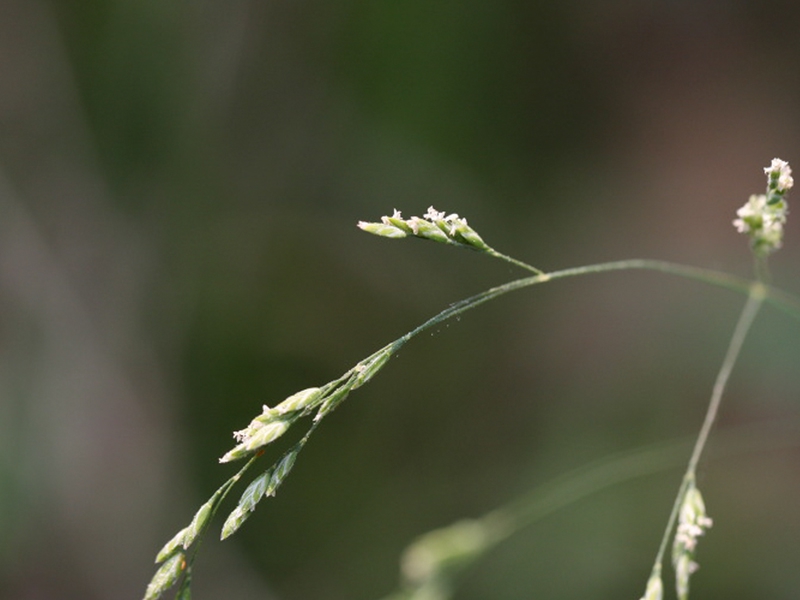
I will explain the growth characteristics, propagation methods, cultivation methods, garden uses, and major pests and control methods of Poa komarovii. Growth Characteristics: Poa komarovii is a cool-season perennial grass that thrives primarily in cold regions. This plant grows up to about 30 cm in height, and its leaves are slender, long, and dark green. It has many fine roots, allowing it to anchor well in the soil. Propagation Methods: Propagation by seeds is the most common method. Seeds can be sown directly in spring or autumn, and the germination rate is relatively high. Self-propagation is possible under suitable conditions, but propagation by seeds is more efficient. Cultivation Methods: Poa komarovii prefers well-drained soil and grows well in sunny locations. Spring or autumn is the appropriate time for planting, and it must be watered sufficiently after sowing. In addition, avoid excessive fertilizer use and maintain soil moisture by regularly adding potting soil or using mulch. Uses in Gardens: Komarov's Poa is primarily used for garden lawns or landscaping. It is highly cold-hardy and thrives in cool environments; its relatively easy maintenance makes it suitable for outdoor gardens. Important Pests and Control Methods: Komarov's Poa is relatively resistant to pests and diseases, but diseases such as leaf blight and turf rust can occur. If a disease develops, it is important to cut off the affected area and apply appropriate pesticides. Pests include grass beetles; if pests appear, they can be controlled using natural predators or pesticides. The information above will be helpful for managing and utilizing Komarove's Poa in your garden. Proper care and prevention can promote healthy growth.
Plant Type
Plant Family
Poaceae
Height
10~35cm
Spread
Colors
white
Bloom Period
May to July
Water Needs
commonly
Exposure
Sunny
Freezing Resistance
-30°C
Poa gracilis
Poa malacantha var. shinanoana
Papilion
Poa urssulensis var. kanboensis