English
한국어
English
Español
中文
हिंदी
Home
News
Community
Dictionary
English
한국어
English
Español
中文
हिंदी
View list
knotweed
Poa acroleuca
var.
submoniliformis
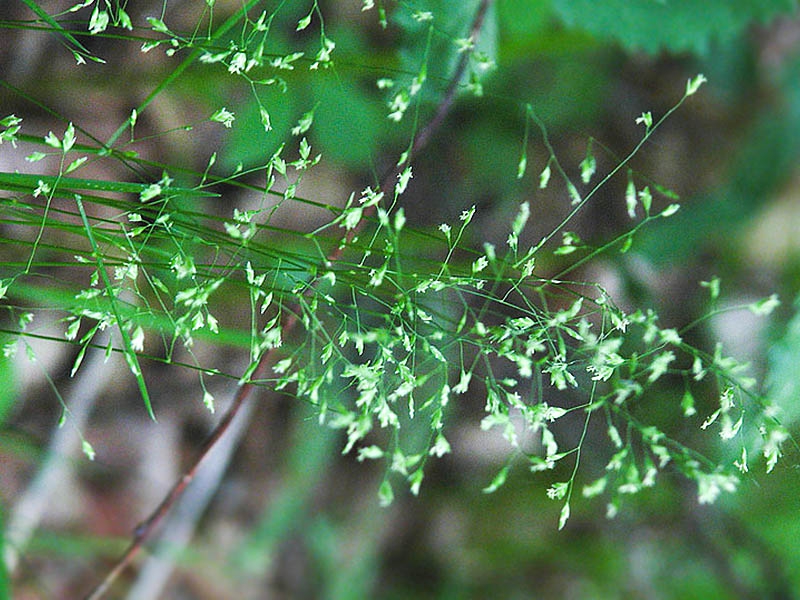
Polygonum acroleuca var. submoniliformis is a rare plant. I will explain its growth characteristics, propagation methods, and how to use it in the garden. Growth Characteristics Poa acroleuca var. submoniliformis prefers moist soil and thrives in partial shade. It can adapt to both cold and warm climates. This plant has medium-sized leaves and grows most actively in spring and summer. Propagation Methods This plant is primarily propagated by seeds. It is best to sow seeds in autumn or spring. It can also be propagated by division, which is most suitable in spring or early autumn. Cultivation Methods - Soil: Well-drained, nutrient-rich soil is ideal. - Watering: Be careful not to overwater; water when the soil surface is slightly dry. - Fertilizer: Use slow-release fertilizer in the spring to support the growing season. - Protection: In cold regions, the roots can be protected during the winter by mulching. Uses in the GardenPoa acroleuca var. submoniliformis is primarily used for ornamental purposes and is excellent as a border or ground cover. It adds a natural feel to the landscape and blends harmoniously with other flowers or shrubs. Important Pests and Control Methods This plant is relatively resistant to pests and diseases, but proper control methods are still necessary. - Diseases: Brown spots on the leaves may indicate a fungal disease. In this case, remove the infected area and apply a fungicide. - Pests: The most common pest is aphids. You can wipe the leaves with soapy water or use natural pest control agents. With proper care, Poa acroleuca var. submoniliformis can maintain a healthy and beautiful landscape.
Plant Type
Plant Family
Poaceae
Height
40∼50cm
Spread
Colors
green
Bloom Period
May to June
Water Needs
commonly
Exposure
Sunny
Freezing Resistance
-10°C
Alpine Poa alpina var. vivacea
Poa alpina var. vivipara
Silpoa grass
Poa acroleuca