English
한국어
English
Español
中文
हिंदी
Home
News
Community
Dictionary
English
한국어
English
Español
中文
हिंदी
View list
Nahansong Gracilior
Podocarpus gracilior
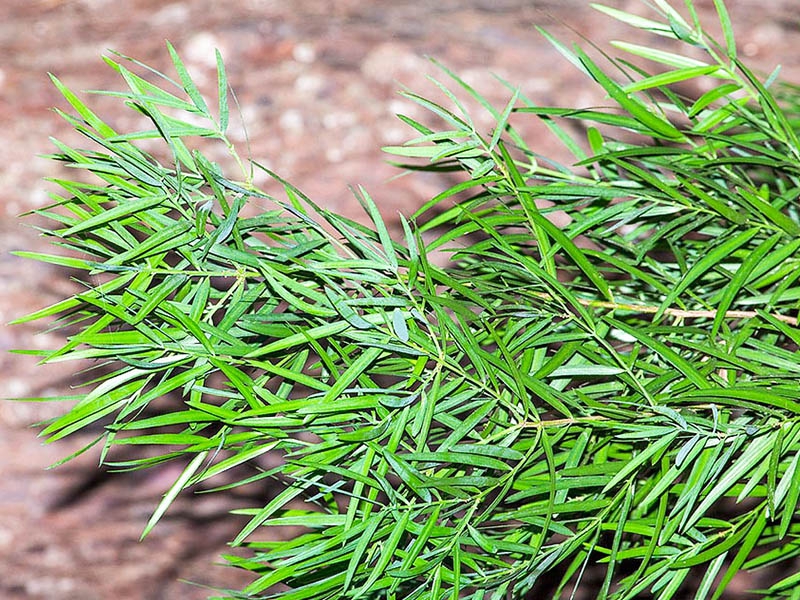
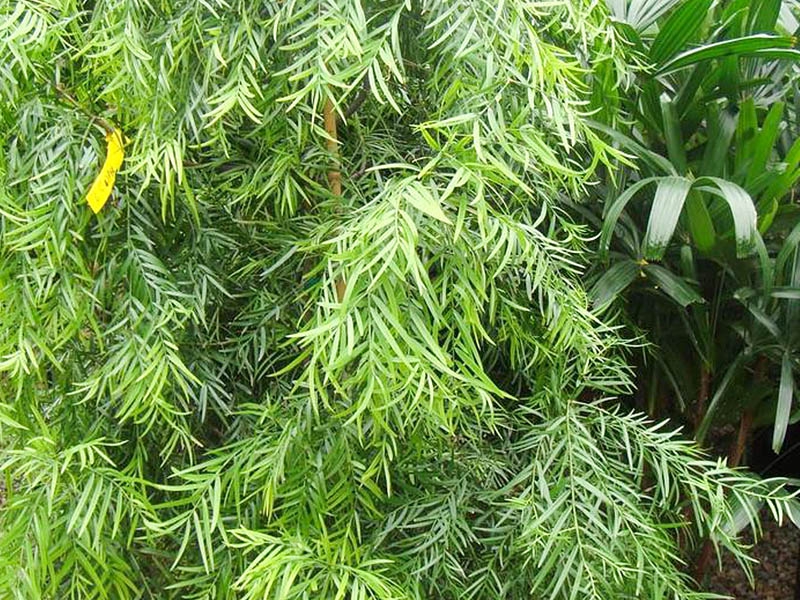
I will explain in detail the characteristics and cultivation methods of Podocarpus gracilior. Growth Characteristics Podocarpus gracilior is an evergreen shrub or small tree, primarily native to East Africa. This plant thrives in temperate climates and typically grows to a height of over 6 meters. Its leaves are long and narrow, displaying a subtle bluish-green hue. Propagation Methods Podocarpus gracilior is primarily propagated by seeds and cuttings. When propagating by seeds, collect them from mature fruits and plant them after creating a suitable environment for germination. Cuttings involve cutting healthy branches and planting them in soil; proper care is required until roots develop. Cultivation Methods This plant grows best in well-drained soil. It is important to provide an environment with well-draining soil and adequate moisture. While it is best to plant it in a location that receives ample sunlight, it can also grow in partial shade. Use in the Garden Podocarpus gracilior is widely used in gardens for hedges or boundary purposes. Thanks to its fast-growing nature, it is well-suited for use as a hedge, and it can be pruned to shape into desired forms. Important Pests and Control Methods Podocarpus gracilior is generally resistant to pests and diseases, but it may rarely be attacked by scale insects. In such cases, damage can be minimized through periodic observation and the early application of preventive insecticides. Additionally, caution should be exercised as overwatering can cause problems such as root rot. With the information above, you can effectively cultivate Podocarpus gracilior in your garden or indoors.
Plant Type
Plant Family
Nahansong and
Height
12~18m
Spread
6~7.5m
Colors
green
Bloom Period
March to August
Water Needs
commonly
Exposure
Sunny
Freezing Resistance
-10°C
Jukbaek tree growing
Podocarpus nagi
Nahansong macrophilus subsp. machi
Podocarpus macrophyllus subsp. maki