English
한국어
English
Español
中文
हिंदी
Home
News
Community
Dictionary
English
한국어
English
Español
中文
हिंदी
View list
Architense moss
Pogonatum akitense
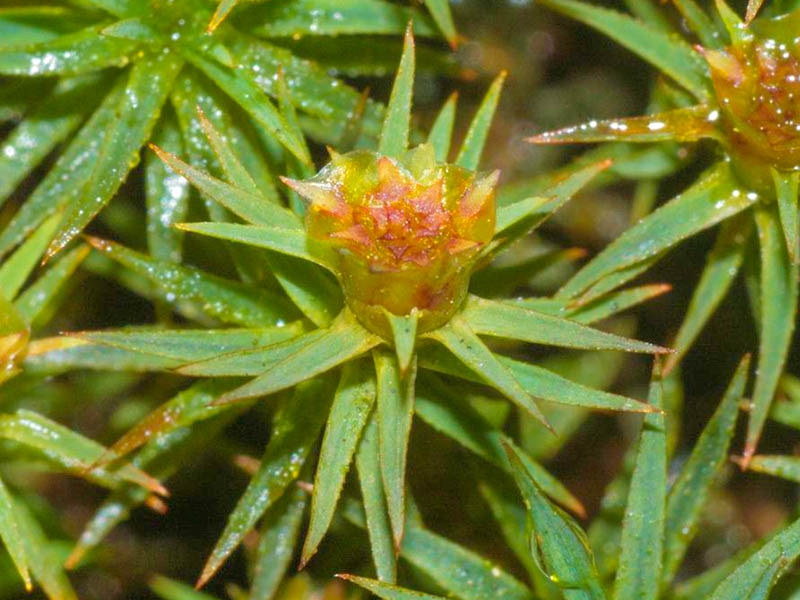
Pogonatum akitense is a moss plant that thrives primarily in humid environments. The following is information regarding this plant's growth characteristics, propagation methods, cultivation methods, garden uses, and major pests and control methods. Growth Characteristics - Environment: It grows well in humid areas and prefers indirect sunlight. - Temperature: It exhibits optimal growth in cool, humid climates. - Soil: It grows in well-drained soil and prefers acidic soil. Propagation Methods - Spore Propagation: Pogonatum akitense primarily reproduces by spores. Spores released from mature sporangia germinate and grow into new mosses when they reach a suitable environment. - Division Propagation: It can be propagated by dividing clumps. This is a method that allows for a relatively rapid increase in population. Cultivation Methods - When cultivating, it is important to maintain sufficient moisture and select well-drained soil. Plant it in a location where it can receive indirect sunlight, and water it regularly to prevent the soil from drying out. Uses in the Garden - Ornamental: Dwarf moss is used for ornamental purposes in the garden, adding visual beauty, especially near water or in shady areas. - Ecological Role: Moss helps prevent soil erosion and conserves moisture, playing an important role in establishing a micro-ecosystem. Important Pests and Control Methods - Diseases: It is generally resistant to diseases, but fungal diseases can occur due to excessive moisture. To prevent this, avoid overwatering and maintain a well-ventilated environment. - Pests: Generally, there are no major pest issues, but if necessary, you can attempt insecticide treatment using water or soapy water. The information above should help you successfully cultivate and manage Dwarf moss architense.
Plant Type
Plant Family
moss group
Height
15cm
Spread
Colors
sporophyte
Bloom Period
Water Needs
commonly
Exposure
semi-shaded area
Freezing Resistance
-15°C
Poirnichia rubriflora
Poellnitzia rubriflora
Large field moss Yaponicum
Pogonatum japonicum