English
한국어
English
Español
中文
हिंदी
Home
News
Community
Dictionary
English
한국어
English
Español
中文
हिंदी
View list
The bellbird
Pogonia minor
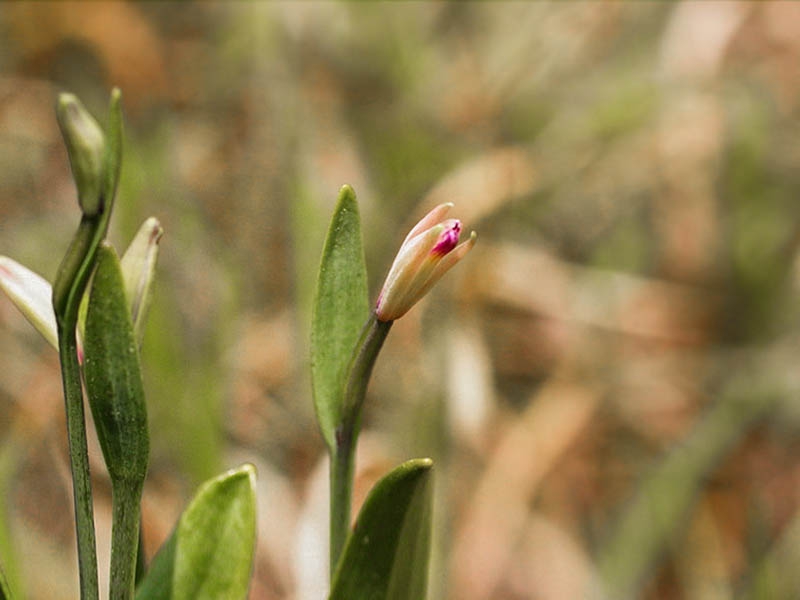
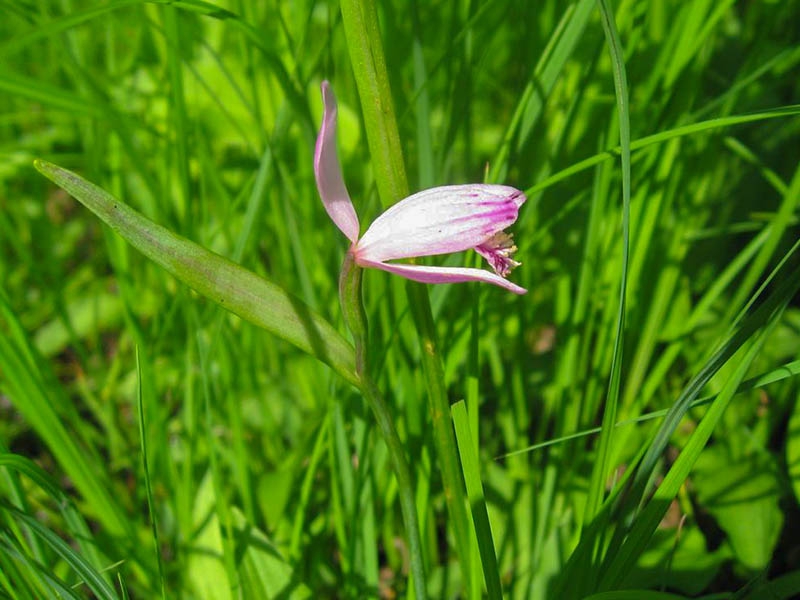
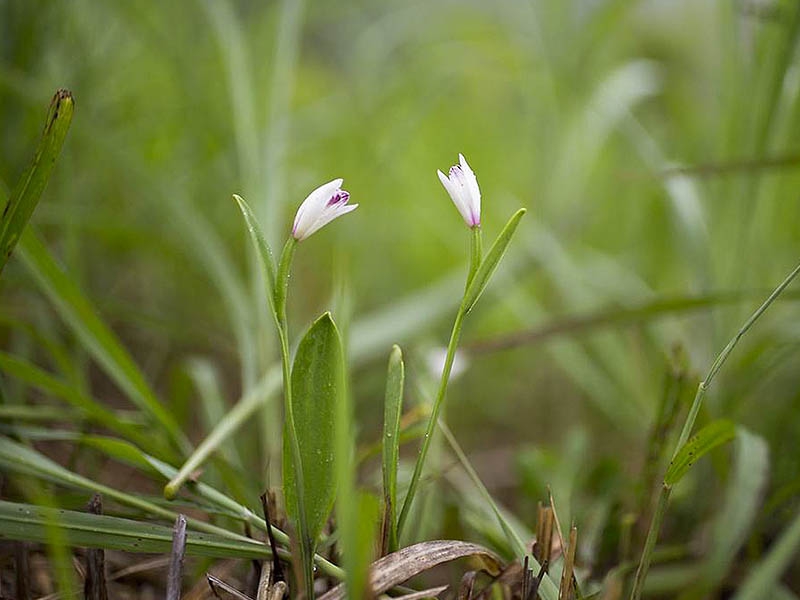
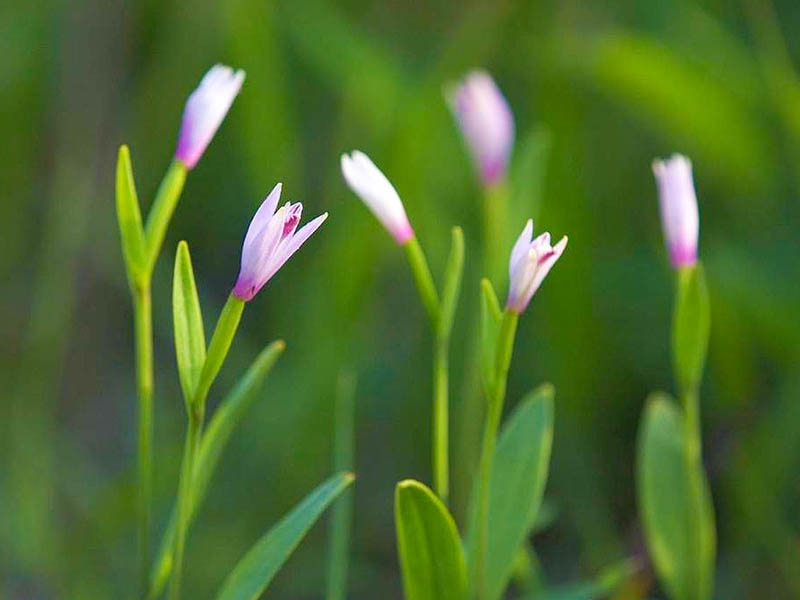
Pogonia minor is a perennial plant belonging to the Orchidaceae family, characterized by its natural growth in humid environments. The following is information regarding the growth characteristics, propagation methods, cultivation methods, garden uses, major pests, and control methods of Pogonia minor. Growth Characteristics - Environmental Conditions: Pogonia minor thrives in high-humidity areas such as mountain wetlands, swamps, and watersides. It prefers partially shaded or bright locations and grows well in well-drained soil that retains moisture. - Temperature: It prefers a moderately warm climate and enters a dormant state during the winter, with the leaves wilting and only the roots surviving. Propagation Methods - Seed Propagation: Pogonia is primarily propagated by seeds. However, the seeds are very small, making natural germination difficult. Therefore, when sowing seeds artificially, it is essential to maintain a humid environment. - Division Propagation: It is also possible to propagate by dividing the roots of a mature plant and planting them in a new location. Cultivation Method - Soil Preparation: Select soil with good drainage and water retention. Since it prefers acidic soil, you can adjust the soil pH as needed. - Watering: Water regularly to maintain consistent humidity. More water is required, especially during the growing season. - Fertilizer: Apply an appropriate amount of fertilizer early in the growing season as needed. General orchid fertilizers are suitable. Uses in the Garden - The Euphorbia pekinensis can be primarily used in moist gardens or naturalistic gardens. As a riparian plant, it is suitable for planting around ponds or in damp flowerbeds. Major Pests and Diseases & Control Methods - Diseases: It may be susceptible to fungal diseases and can occur in hot and humid environments. To prevent this, ensure good ventilation and avoid excessive soil moisture. - Pests: Common orchid pests such as aphids and scale insects may occur. Observe the plant regularly, and if detected early, control them using soapy water or specialized insecticides. The above information covers the basics you need to know when cultivating or managing Bellflower Minor, and specific management methods must be adjusted according to climate and soil conditions.
Plant Type
Plant Family
Orchid family
Height
10∼25cm
Spread
Colors
pink
Bloom Period
June to August
Water Needs
commonly
Exposure
semi-shaded area
Freezing Resistance
-10°C
Large-bellied bird
Pogonia japonica
Flower fern
Polemonium caeruleum subsp. kiushianum