English
한국어
English
Español
中文
हिंदी
Home
News
Community
Dictionary
English
한국어
English
Español
中文
हिंदी
View list
baby grass
Polygala japonica
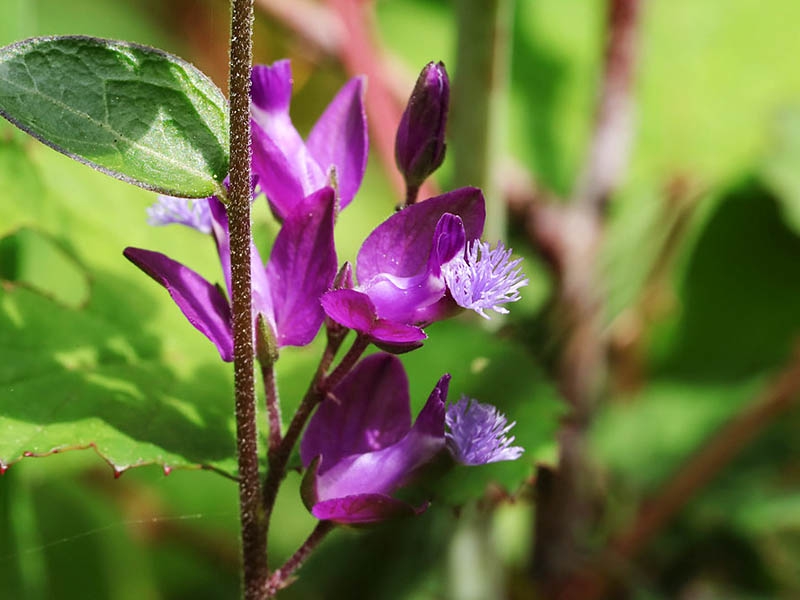
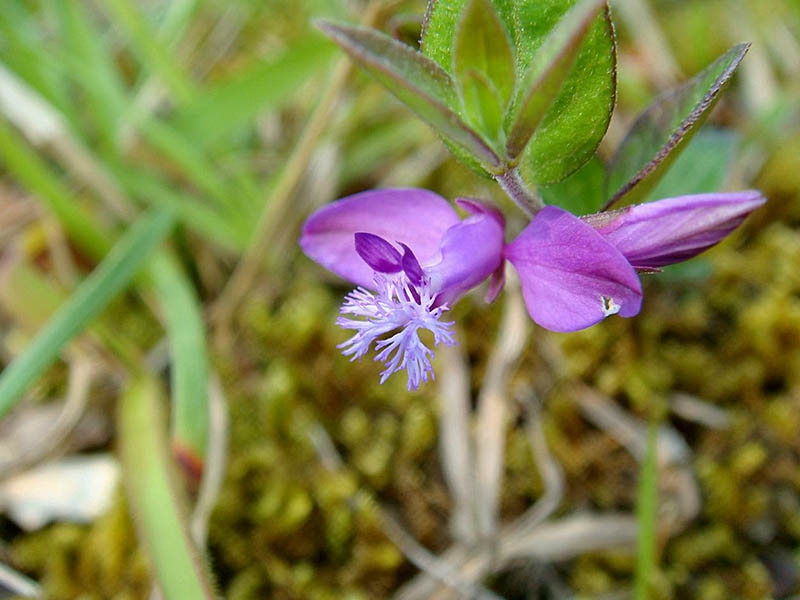
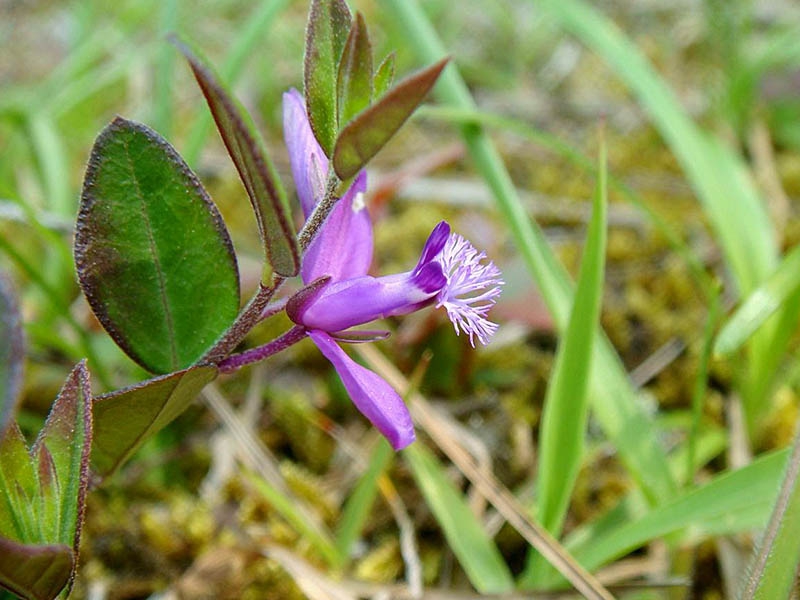
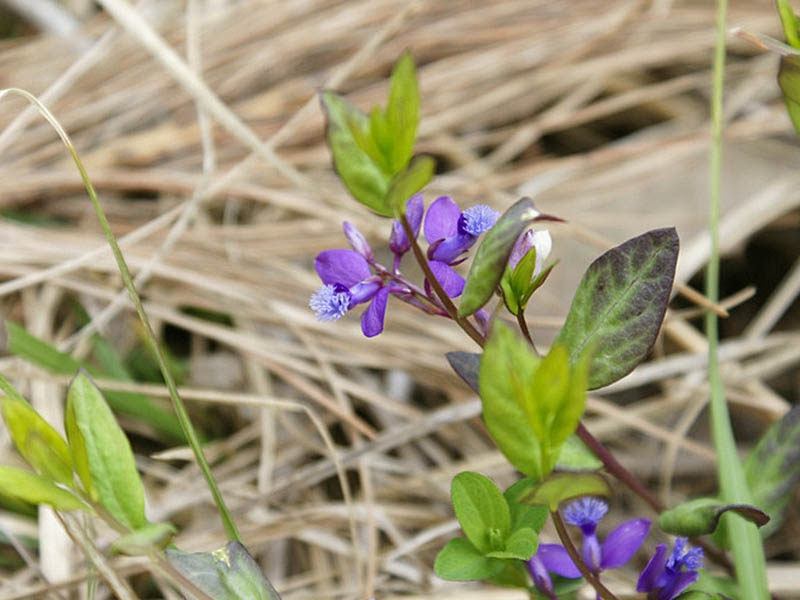
Polygala japonica is a small perennial herbaceous plant native mainly to Korea, Japan, and China. Below is a description of Polygala japonica's growth characteristics, propagation methods, cultivation methods, garden uses, and major pests and diseases, as well as control methods. - Growth Characteristics: Polygala japonica grows to a height of approximately 10 to 30 cm and is characterized by a creeping growth habit with multiple branches emerging from the roots. The leaves are alternate and narrowly oval-shaped, while the flowers are purple, small, and round. It primarily blooms between May and July. - Propagation Methods: Propagation is mainly achieved through seeds or cuttings. For seed propagation, mature seeds are harvested and sown in the spring; appropriate temperature and moisture are required to increase the germination rate. For cuttings, healthy stems are cut in the spring or early summer, when the growing season begins, and planted in soil to encourage new roots to develop. - Cultivation Method: It can be grown in both full sun and partial shade, but requires well-drained soil. It is important to avoid overwatering and maintain proper watering. Applying a small amount of organic fertilizer in spring and autumn can aid growth. - Uses in the Garden: Ambrosia japonica serves as a ground cover and is excellent for flower beds when combined with other herbaceous plants. Due to its low stature and beautiful flowers, it is widely used as a decorative plant for garden borders or rock gardens. - Major Pests and Diseases & Control Methods: While it is relatively resistant to pests and diseases, it can be infected with powdery mildew or fungal diseases in early spring or during periods of excessive moisture. To prevent this, it is recommended to improve soil drainage and use an appropriate fungicide if early symptoms appear. Although pest issues are rare, if leaf-eating insects occur, natural predators or eco-friendly insecticides can be used. Accurate observation and proper care are the key points to enjoying the healthy growth and beautiful flowers of Abies japonica.
Plant Type
Plant Family
Wonji-gwa
Height
10~30cm
Spread
Colors
red, purple
Bloom Period
April~May
Water Needs
commonly
Exposure
Sunny
Freezing Resistance
-15°C
Original paper
Polygala tenuifolia
chickweed
Polygala tatarinowii