English
한국어
English
Español
中文
हिंदी
Home
News
Community
Dictionary
English
한국어
English
Español
中文
हिंदी
View list
Dragon's-eye
Polygonatum involucratum
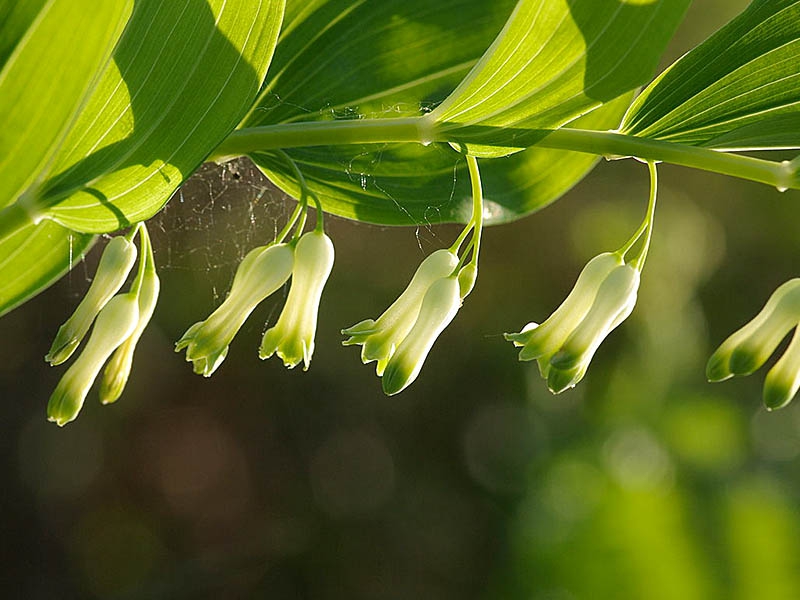
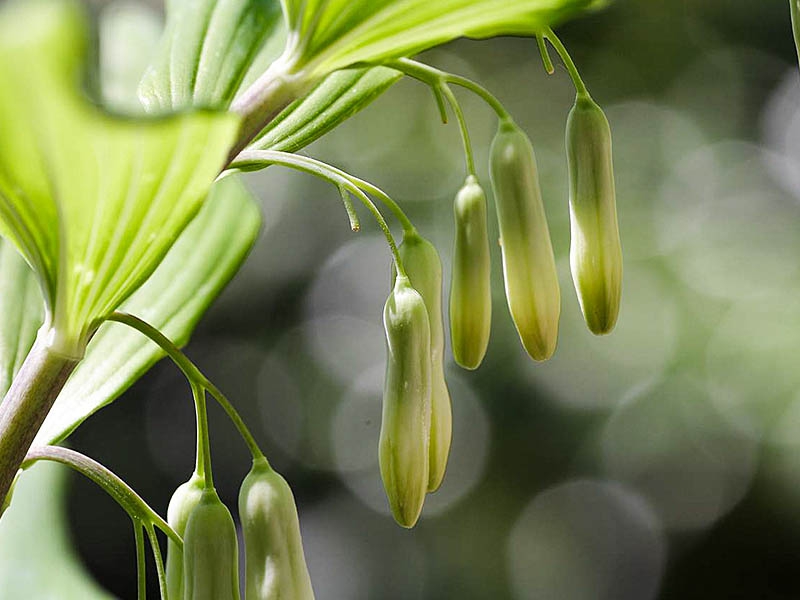
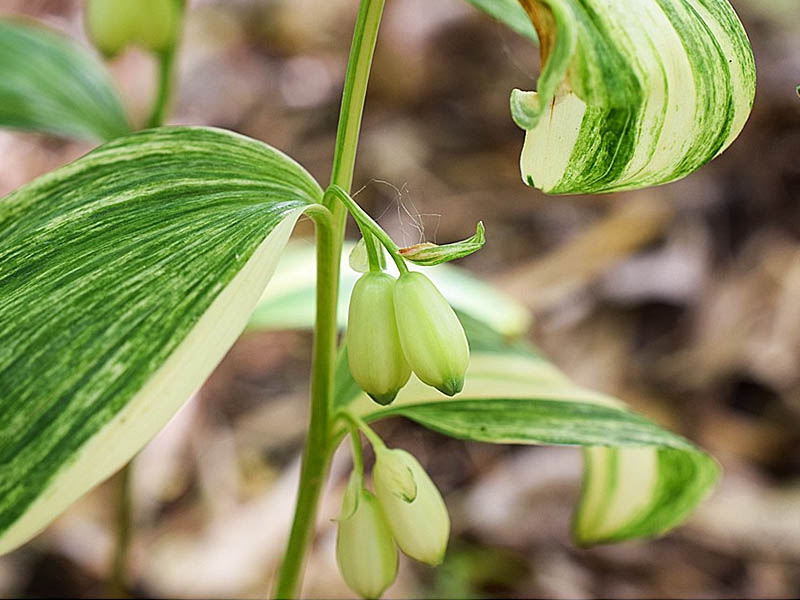
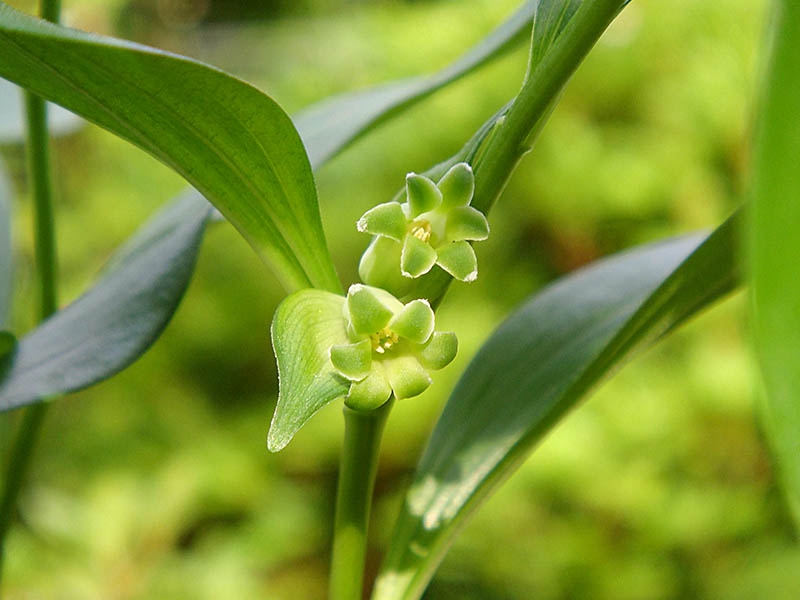
Polygonatum involucratum is a perennial plant belonging to the Liliaceae family, native primarily to Asia. Growth Characteristics - Environment: It thrives in partial shade and prefers well-drained soil. - Size: Mature plants typically grow to a height of 30 to 60 cm. - Flowers: It blooms with small white or pale pink flowers in the spring and produces round, black fruits in the autumn. - Leaves: The leaves are oval-shaped, smooth, and glossy, arranged along the stem. Propagation Methods - Seeds: It can be propagated by seeds, but the germination rate may be low. - Division: The most common method of propagation is dividing root clumps. Cut the roots into appropriate sizes in the spring or autumn and plant them. Cultivation Methods - Planting: Plant in humus-rich, well-drained soil. - Watering: Water appropriately, avoiding overwatering. Take care to ensure there is no water shortage, especially during dry periods. - Fertilizer: Provide nutrients using slow-release fertilizer in the spring. Uses in the Garden - Border Plant: It is suitable as a border plant in semi-shade areas and pairs well with other shade-loving plants. - Natural Garden: It can be used in natural gardens that evoke the feeling of a forest. Important Pests and Control Methods - Diseases: Powdery mildew and mold may occur; create a well-ventilated environment and use appropriate fungicides if necessary. - Pests: Pests such as aphids may occur; if found, remove them physically immediately or control them using insecticides. Depending on the garden's environmental conditions and management methods, Polygonatum involukratum can be maintained as a very attractive plant.
Plant Type
Plant Family
Lily family
Height
20~60cm
Spread
Colors
White, green
Bloom Period
May~June
Water Needs
commonly
Exposure
semi-shaded area
Freezing Resistance
-20°C
Solomon's seal
Polygonatum odoratum var. pluriflorum
Lady's-bill
Polygonatum humile