English
한국어
English
Español
中文
हिंदी
Home
News
Community
Dictionary
English
한국어
English
Español
中文
हिंदी
View list
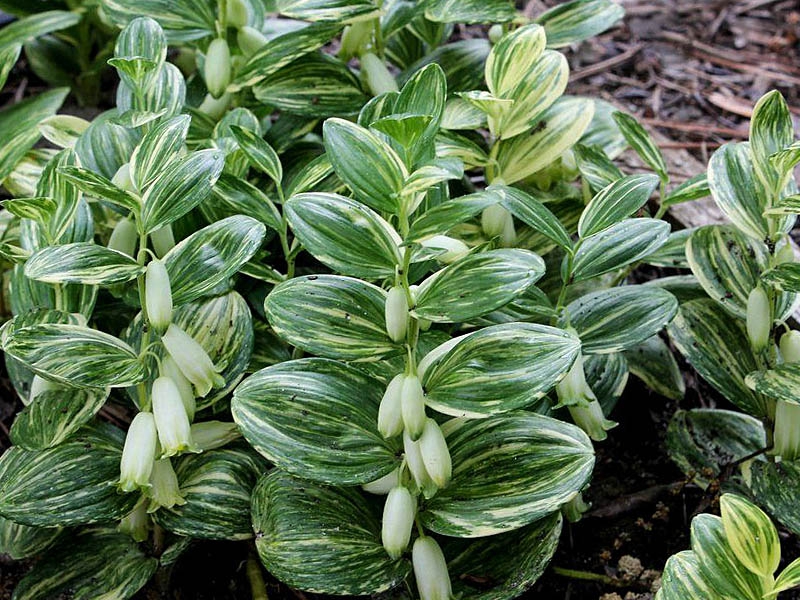
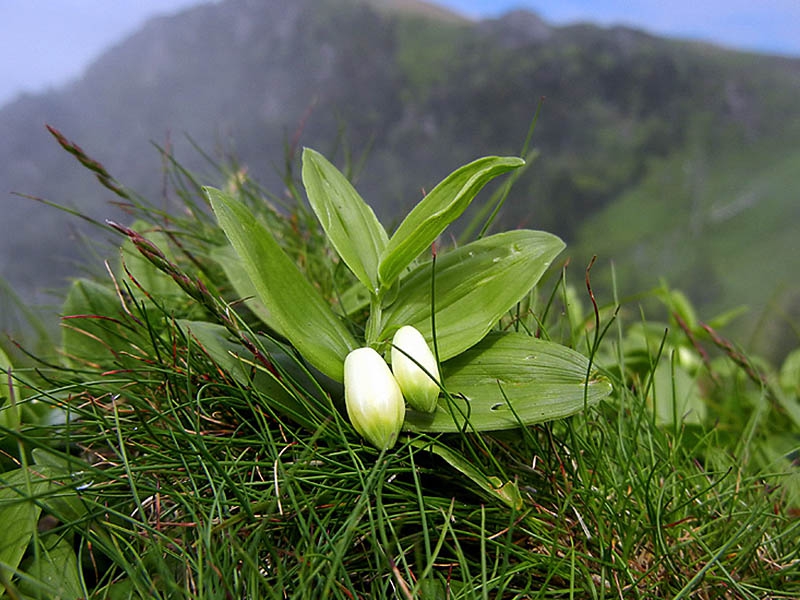
Lady's-bill
Polygonatum humile
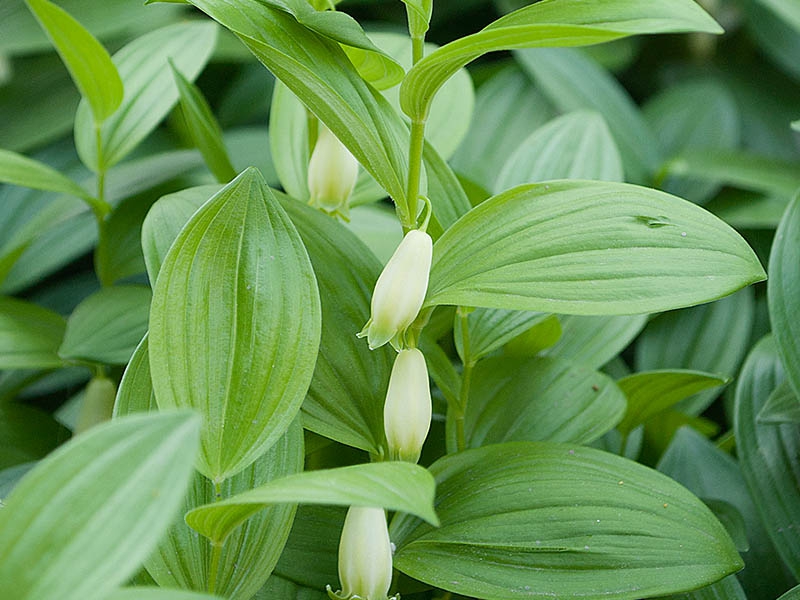
Polygonatum humile is a perennial herbaceous plant capable of growing in a wide variety of environments. The following is information regarding the growth characteristics, propagation methods, cultivation methods, garden uses, and pest and disease control of Polygonatum humile. Growth Characteristics - Environment: It thrives in partial shade and prefers moist soil. - Soil: Fertile, well-drained soil is suitable. - Growth: It expands via rhizomes and can grow up to approximately 30 cm in height. Propagation Methods - Root Division: Propagate by dividing the roots in spring or autumn. - Seed Sowing: Propagation using seeds is also possible. However, since the germination rate is low, a sufficient number of seeds must be sown. Cultivation Methods - Planting: It is best to plant in spring or autumn; when planting, plant the soil so that it slightly covers the roots. - Water Management: Be careful not to let it dry out and maintain adequate moisture. - Fertilizer: It is recommended to use slow-release fertilizer during the growing season. Uses in the Garden- Ground Cover: Suitable as a ground cover plant under trees in partial shade or on slopes. - Ornamental: With its beautiful flowers and leaves, it can be used as a decorative plant in the garden. Important Pests and Control Methods- Diseases: Mold may develop on the leaves. To prevent this, plant in a well-ventilated area and maintain well-drained soil. - Pests: Aphids may occur; these can be controlled with soapy water or eco-friendly pesticides. Polygonatum odoratum is a relatively easy plant to care for and grows healthily if provided with the right environment. It is important to detect and respond to pests and diseases early through monitoring.
Plant Type
Plant Family
Lily family
Height
15~30cm
Spread
Colors
white
Bloom Period
May~June
Water Needs
commonly
Exposure
semi-shaded area
Freezing Resistance
-20°C
Dragon's-eye
Polygonatum involucratum
Jin Hwang-jeong
Polygonatum falcatum