English
한국어
English
Español
中文
हिंदी
Home
News
Community
Dictionary
English
한국어
English
Español
中文
हिंदी
View list
bamboo
Polygonatum lasianthum
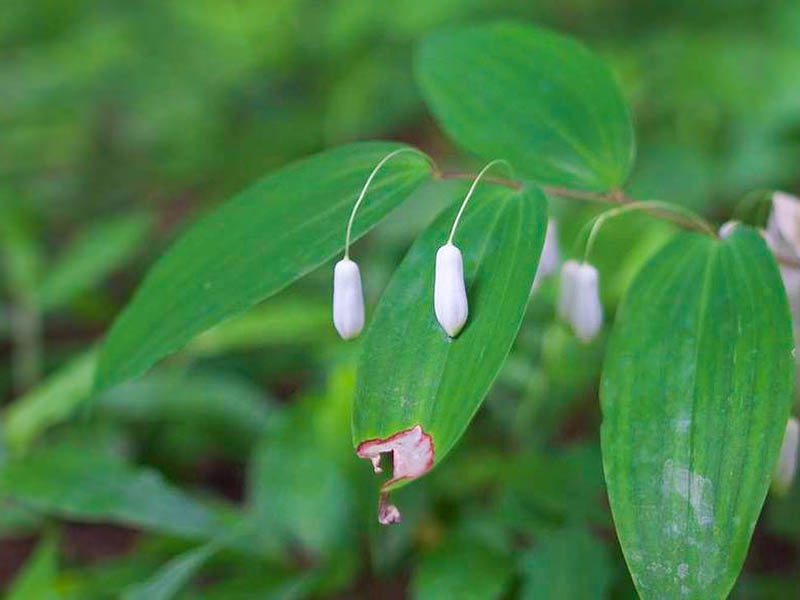
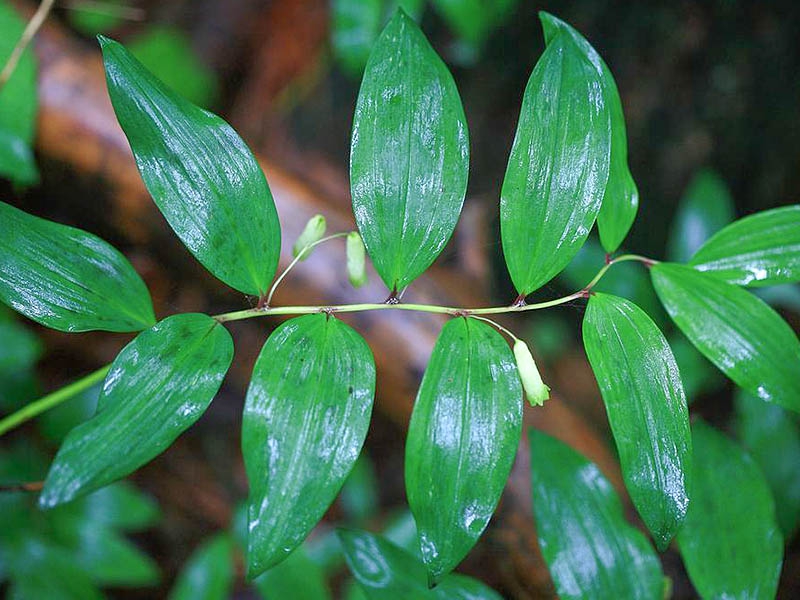
Growth Characteristics of Polygonatum lasianthum Polygonatum lasianthum is a perennial herbaceous plant belonging to the Liliaceae family, thriving primarily in shady wetlands or forests. The leaves are alternate, lanceolate, and elongated; the upper surface is green, while the underside is silvery-gray. Flowers bloom from spring to summer and are small, white, and bell-shaped. Propagation Methods Polygonatum lasianthum is primarily propagated by rhizomes. The plant's rhizomes can be divided and planted in new locations. While propagation by seeds is possible, rhizome propagation is generally recommended due to low germination rates and slow growth speeds. Cultivation Methods - Location: Partial shade is ideal, and it is best to avoid areas with excessive sunlight. - Soil: Fertile, well-drained soil is required. Nutrient-rich soil promotes healthy plant growth. - Water Management: Maintaining consistent moisture is important, but excessive watering can lead to root rot. 4. Fertilizer: It is recommended to apply organic fertilizer in the spring and autumn. Uses in the Garden Rhododendron auricianum is suitable for shade gardens or wildflower gardens. The harmony between its leaves and flowers creates a colorful landscape. It is particularly widely used to fill shaded areas. Important Pests and Control Methods - Diseases: Leaf blight and root rot may occur. Avoiding overwatering and ensuring good ventilation helps with prevention. - Pests: Snails and aphids can be a problem. They can be physically removed or organic insecticides can be used. For effective pest and disease control, regular monitoring of the plant's condition and maintaining a clean growing environment are important.
Plant Type
Plant Family
Lily family
Height
30~60cm
Spread
Colors
green
Bloom Period
May to June
Water Needs
commonly
Exposure
semi-shaded area
Freezing Resistance
-20°C
King Solomon's seal
Polygonatum robustum
Late bloomer
Polygonatum infundiflorum