English
한국어
English
Español
中文
हिंदी
Home
News
Community
Dictionary
English
한국어
English
Español
中文
हिंदी
View list
Late bloomer
Polygonatum infundiflorum
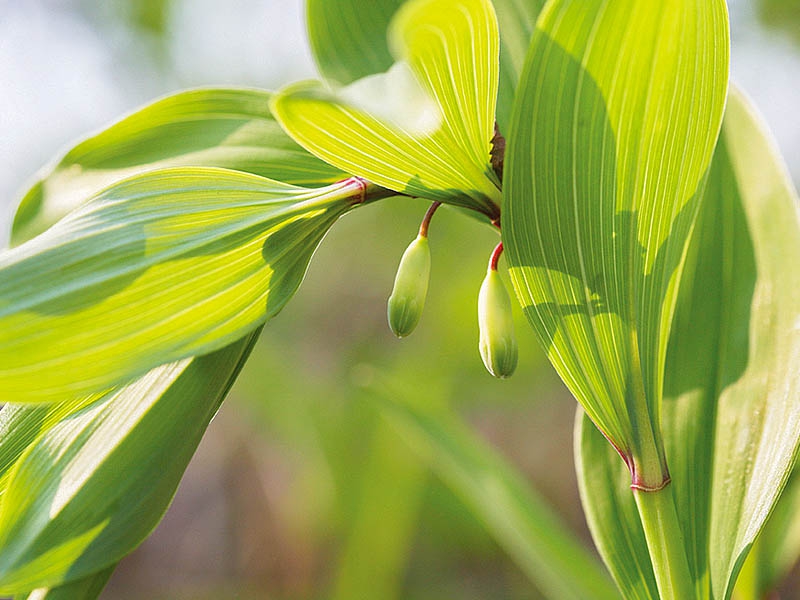
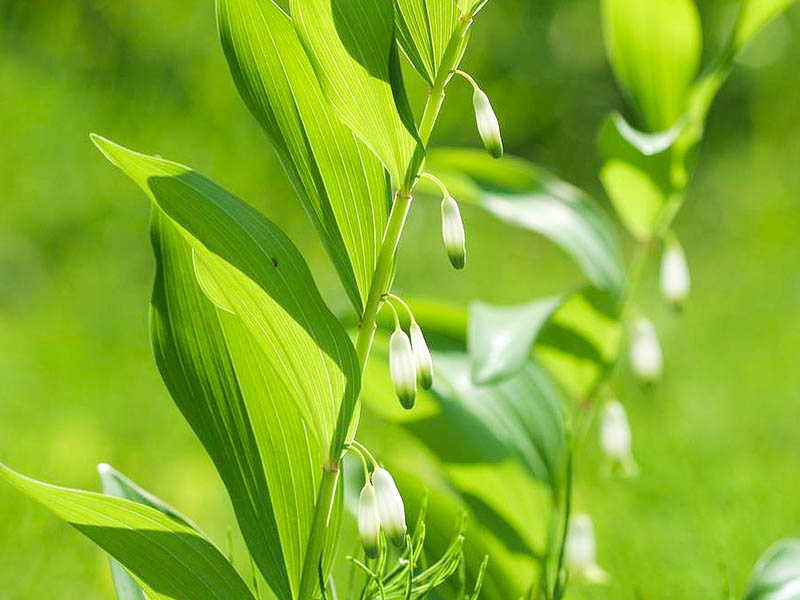
Growth Characteristics of Polygonatum infundiflorum Polygonatum infundiflorum is a perennial herbaceous plant belonging to the Liliaceae family, and it generally grows in moderately moist mountainous areas. This plant thrives primarily in semi-shaded environments and grows to a height of approximately 30 to 60 cm. New shoots emerge in the spring, and white or light pink flowers bloom from late spring through early summer. The roots of Polygonatum infundiflorum spread underground in the form of bulbs; during the winter, the above-ground parts die back, leaving only the roots. Propagation Methods Polygonatum infundiflorum is primarily propagated by dividing the bulbs. The optimal time for propagation is spring or autumn, during which the bulbs are divided into several pieces and planted. While propagation by seeds is possible, bulb division is generally preferred due to the low germination rate and the long time required. Cultivation Methods - Soil Preparation: Polygonatum infundiflorum thrives in fertile, well-drained soil. Before planting, prepare the soil by mixing in compost or leaf mold. - Planting: Plant the bulbs to a depth of about 5–10 cm. The appropriate spacing between bulb segments is approximately 20–30 cm. - Watering: Late-blooming Solomon's seal requires consistent moisture while avoiding overwatering. Therefore, water periodically to prevent the soil from drying out too much, ensuring good drainage. - Fertilization: Growth is most active in early spring and early summer, so replenish nutrients using liquid fertilizer during this period. Uses in the Garden Late-blooming Solomon's seal is well-suited for shaded gardens or for creating natural-looking walking paths. In particular, planting it alongside other ground cover plants can create a natural forest landscape. Additionally, it can add a focal point to shaded gardens with its lush green foliage and elegant flowers. Important Pests and Diseases and Control Methods Although Late-blooming Solomon's Seal is a relatively resistant plant to pests and diseases, fungal diseases can occur in humid environments. To prevent this, it is important to plant in a well-ventilated location and maintain well-drained soil. - Fungal Diseases: If they occur, use a fungicide or remove the affected parts to improve ventilation. - Slugs and Snails: These can gnaw on the young leaves of Late-blooming Solomon's Seal. Control them by installing traps or using organic insecticides. When cared for with care in the right environment, Late-blooming Solomon's Seal is an excellent plant that adds beauty and harmony to the garden.
Plant Type
Plant Family
Lily family
Height
45~80cm
Spread
Colors
Green, yellow
Bloom Period
May
Water Needs
commonly
Exposure
semi-shaded area
Freezing Resistance
-20°C
bamboo
Polygonatum lasianthum
Solomon's seal
Polygonatum inflatum