English
한국어
English
Español
中文
हिंदी
Home
News
Community
Dictionary
English
한국어
English
Español
中文
हिंदी
View list
Violet
Viola acuminata
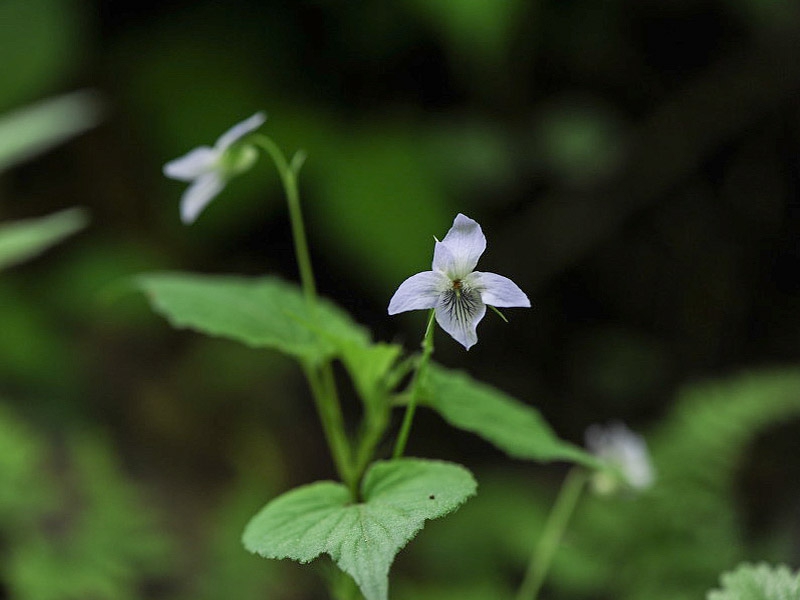
Viola acuminata is a perennial herbaceous plant belonging to the Violaceae family. This plant primarily grows in shady areas of mountainous regions and reaches a height of approximately 10 to 30 cm. Growth Characteristics: - Viola acuminata prefers moist soil and thrives in partial shade. - Flowers bloom between May and June and are typically purple in color. - The leaves are heart-shaped with pointed tips. Propagation Methods: - It is primarily propagated by seeds. Seeds fall naturally and germinate after maturation. - It can also be propagated by division. Divide and plant the clumps in spring or autumn. Cultivation Methods: - It grows well in soft, well-drained soil, and maintaining adequate moisture is important. - It is best grown in partial shade, and direct sunlight should be avoided. - Water thoroughly after the soil has dried out. Garden Use: - Viola japonica is suitable for shaded or forest gardens, and is ideal for creating a natural landscape. - When planted in combination with other wildflowers, it tends to spread naturally, creating a natural feel. Important Pests and Control Methods: - It is generally resistant to pests and diseases, but root rot may occur if there is excessive moisture. - Ensuring good ventilation and using well-drained soil helps prevent infestations. - Aphids may occasionally appear; if necessary, they can be controlled using soapy water or insecticides. Viola japonica is relatively easy to cultivate and is a suitable plant for creating a natural garden. With careful care, it can be grown healthily for a long time.
Plant Type
Plant Family
Violet family
Height
20~40cm
Spread
Colors
purple, white
Bloom Period
May~June
Water Needs
commonly
Exposure
semi-shaded area
Freezing Resistance
-10°C
Taebaek violet
Viola albida
Baby Geumgang Violet
Viola yazawana