English
한국어
English
Español
中文
हिंदी
Home
News
Community
Dictionary
English
한국어
English
Español
中文
हिंदी
View list
Polygonatum multiflorum
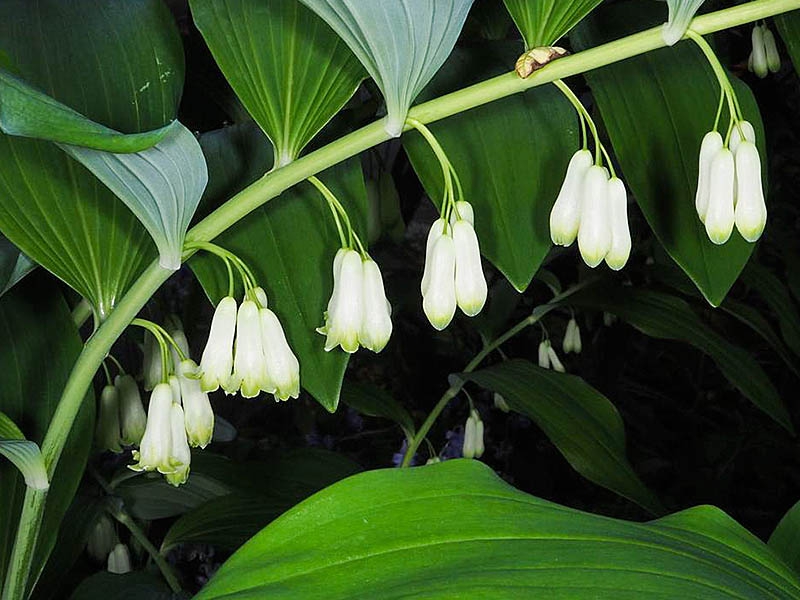
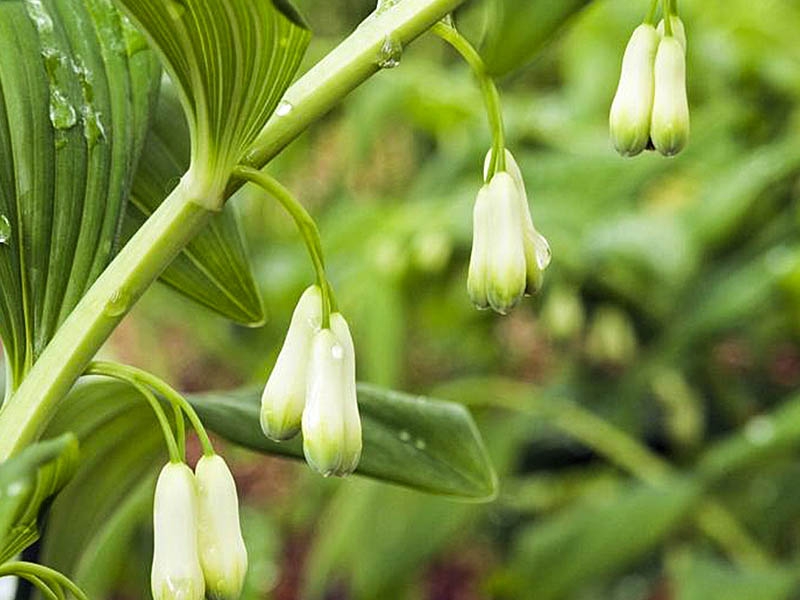
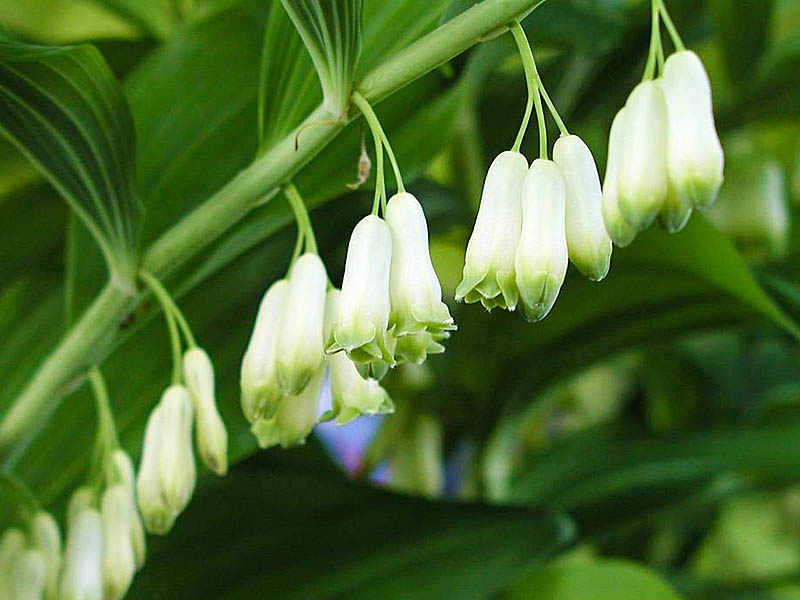
Polygonatum multiflorum is a perennial herbaceous plant belonging to the Liliaceae family. Its growth characteristics, propagation methods, cultivation methods, garden uses, and information on major pests and diseases, as well as control methods, are as follows. Growth CharacteristicsPolygonatum multiflorum grows to a height of approximately 30 to 90 cm and propagates via underground stems (rhizomes). The leaves are long and oval-shaped, with the bases attached directly to the stem, so two leaves are arranged alternately at each node. In spring, bell-shaped white flowers hang downwards from the stems, and blue fruits develop in the summer. Propagation MethodsPolygonatum multiflorum is primarily propagated by root division. This can be done by cutting and dividing the underground stems in spring or autumn. Propagation by seeds is also possible, but it takes a long time for germination and is difficult to manage. Cultivation MethodsPolygonatum multiflorum thrives in partial shade and prefers moist, neutral to slightly acidic soil. It is best to avoid areas that are too dry or have strong direct sunlight. When planting, maintain adequate spacing to ensure proper ventilation, and applying organic fertilizer in spring and autumn helps with growth. Uses in the GardenSolomon's seal is excellent for use as a ground cover in shaded gardens. It blends well with natural forest path gardens or under trees, and can be planted alongside other wildflowers to create a natural atmosphere. Important Pests and Diseases & Control Methods Solomon's seal is relatively resistant to pests and diseases, but fungal diseases and pests such as aphids, snails, and slugs may occur. - Fungal Diseases: It is important to ensure good ventilation and avoid excessive moisture. If an outbreak occurs, use pesticides or remove diseased parts to prevent spread. - Aphids: Wash with soapy water or use insecticides if necessary. - Snails and Slugs: If damage is severe, control the population using attractants or physical control methods. Solomon's seal is a relatively easy-to-care-for plant that grows well in suitable environments and blends well with the surrounding natural scenery.
Plant Type
Plant Family
Broom family
Height
60~90cm
Spread
25~30cm
Colors
white
Bloom Period
May~June
Water Needs
commonly
Exposure
semi-shaded area
Freezing Resistance
-20°C
Solomon's seal, Biflorum
Polygonatum biflorum
knotgrass
Polygonum aviculare