English
한국어
English
Español
中文
हिंदी
Home
News
Community
Dictionary
English
한국어
English
Español
中文
हिंदी
View list
Busan knotweed
Polygonum humifusum
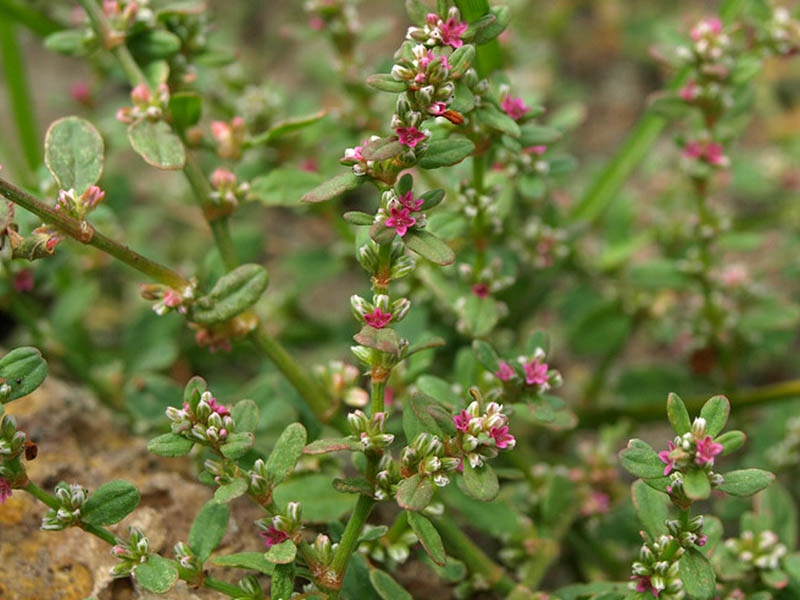
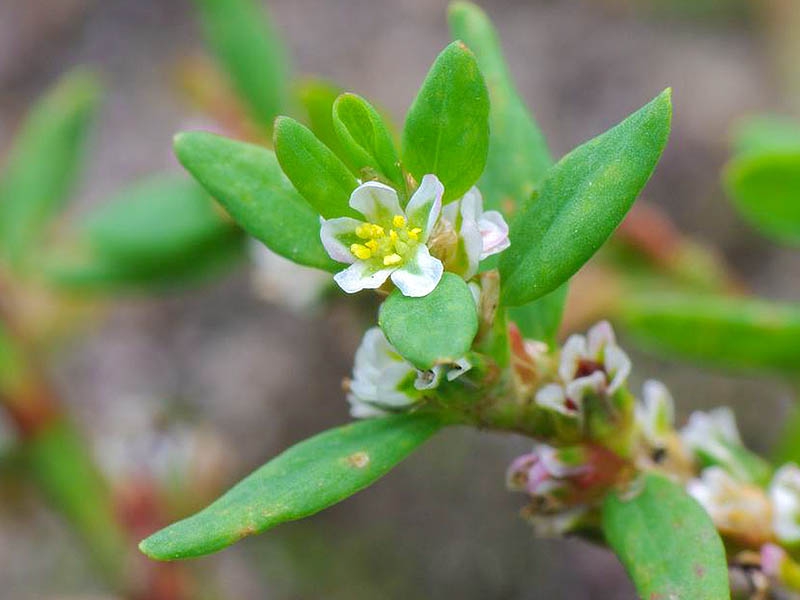
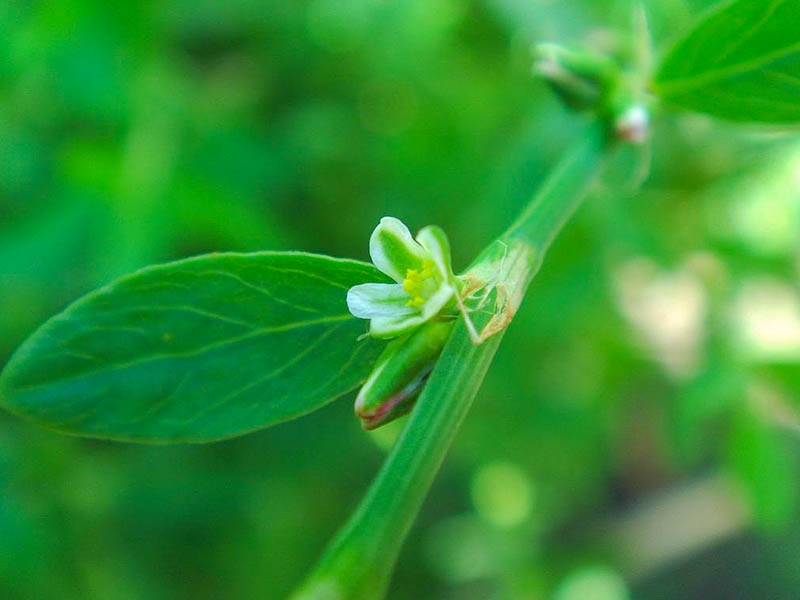
Polygonum humifusum is a plant commonly found in Korea, characterized by diverse growth traits and cultivation methods. Growth Traits Polygonum humifusum thrives primarily in moist environments and exhibits more vigorous growth in sunny locations. Due to its creeping nature, it is suitable for covering large areas. It blooms in the summer and is characterized by small, white flowers. Propagation Methods This plant is primarily propagated by seeds. The seeds mature in the autumn and germinate easily if provided with appropriate soil and moisture. Propagation is also possible through root division. Cultivation Methods - Soil: Polygonum humifusum prefers well-draining soil. - Watering: Maintaining moisture is important, so water regularly, but be careful not to let the soil become waterlogged. - Sunlight: Since it likes bright sunlight, it is best to plant it in a sunny spot. Uses in the Garden Polygonum hydropiper is effective for covering the ground and is useful for creating green spaces. Additionally, thanks to its rapid growth, it helps suppress weeds. Important Pests and Control Methods Polygonum hydropiper is relatively resistant to pests and diseases, but it can be damaged by aphids or powdery mildew. - Aphids: Can be controlled using soapy water or agricultural oil. - Powdery mildew: If not removed early, it can hinder plant growth; therefore, spraying a solution of sulfur or baking soda dissolved in water is effective. Based on this information, you can cultivate Polygonum hydropiper into a healthy and beautiful plant in your garden.
Plant Type
Plant Family
Knotweed family
Height
10~20cm
Spread
Colors
White, red, green
Bloom Period
July to September
Water Needs
commonly
Exposure
Sunny
Freezing Resistance
-30°C
knotweed
Polygonum polyneuron
knotweed
Polygonum equisetiforme