English
한국어
English
Español
中文
हिंदी
Home
News
Community
Dictionary
English
한국어
English
Español
中文
हिंदी
View list
Small seaweed bracken
Polypodium sibiricum
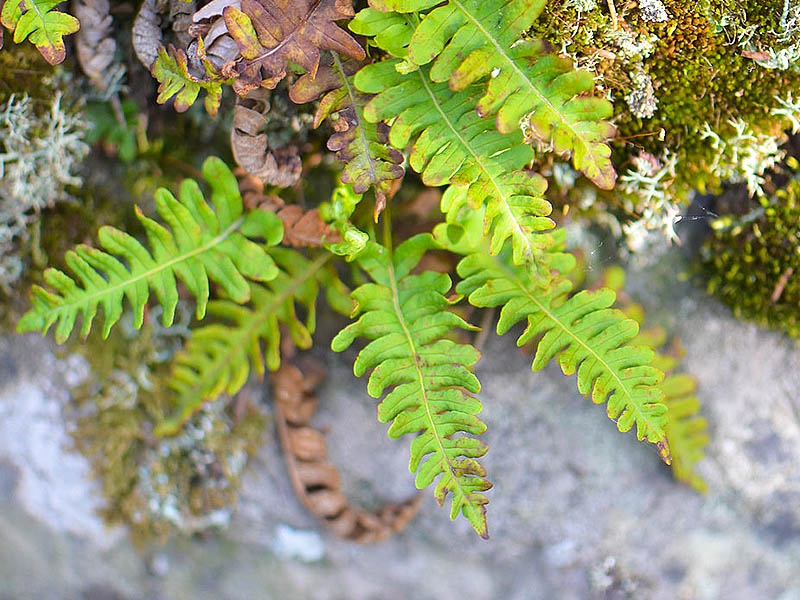
I will explain the growth characteristics, propagation methods, cultivation methods, garden uses, major pests and diseases, and control methods of Polypodium sibiricum. Growth Characteristics: Polypodium sibiricum is a fern that thrives primarily in moist environments. It grows well in shady spots, and its growth is promoted by better soil drainage. It is relatively resistant to low temperatures, allowing it to grow in most regions of Korea. Propagation Methods: Polypodium sibiricum primarily reproduces by spores. Spores are produced in sporangia formed on the undersides of mature leaves. These can be collected and germinated under suitable conditions. Additionally, propagation by dividing rhizomes is a useful method. Cultivation Methods: For cultivation, soil that retains moisture while having good drainage is required. It is best to maintain a slightly acidic soil pH, and it is advisable to avoid excessive sunlight. Watering must be done regularly, but overwatering should be avoided in environments with poor drainage. Garden Use: Dryopteris crassipes is popular as an ornamental plant in gardens due to its unique leaf shape and texture. It is particularly well-suited for shady gardens or near water. Placing it around rocks can add a natural beauty. Important Pests and Control Methods: Dryopteris crassipes is relatively resistant to pests, but it can rarely be damaged by pests such as aphids or spider mites. In such cases, appropriate insecticides can be used for control. Additionally, thorough drainage management is essential to prevent root rot caused by excessive moisture. Regular ventilation and loosening can promote healthy growth.
Plant Type
Plant Family
Polypodiaceae
Height
10~25cm
Spread
Colors
sporophyte
Bloom Period
July to September (spore period)
Water Needs
commonly
Exposure
semi-shaded area
Freezing Resistance
-30°C
Jomnadowoodpul Virginianum
Polypodium virginianum
Nasimi seaweed bracken
Polypodium fauriei