English
한국어
English
Español
中文
हिंदी
Home
News
Community
Dictionary
English
한국어
English
Español
中文
हिंदी
View list
Fern glycerid
Polypodium glycyrrhiza
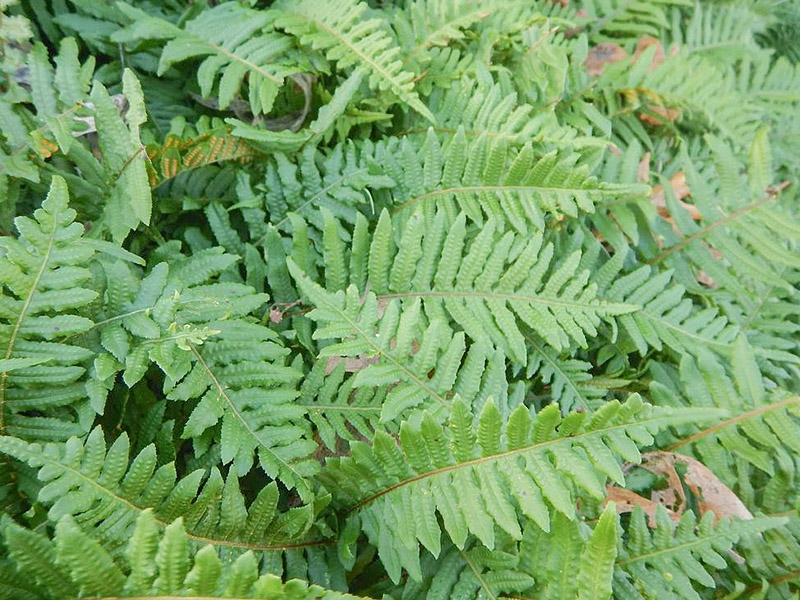
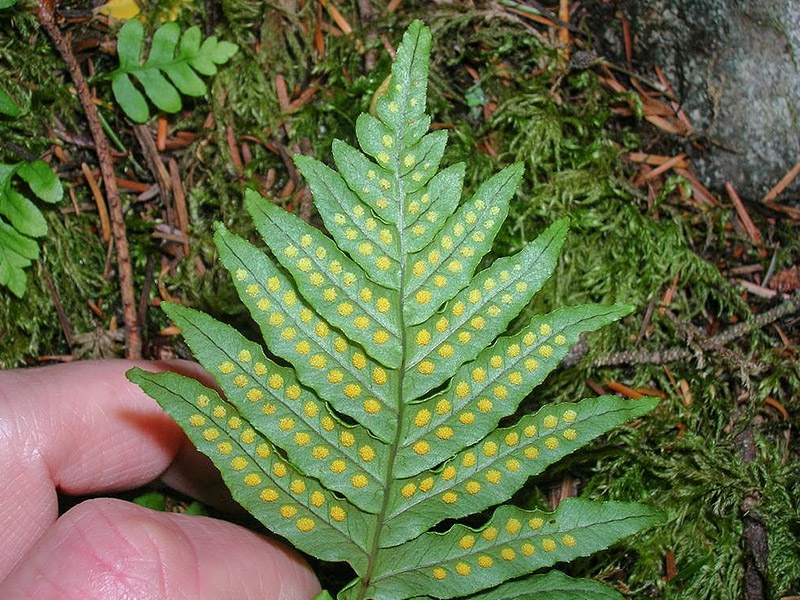
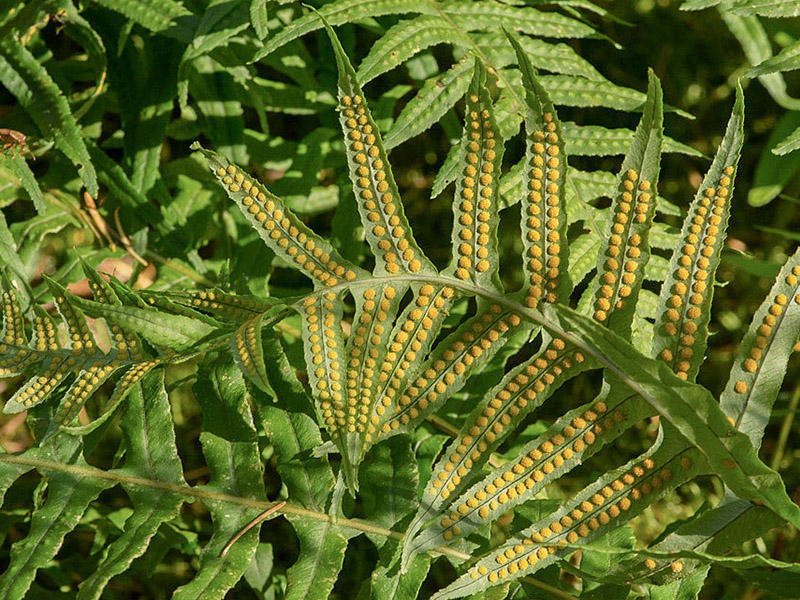
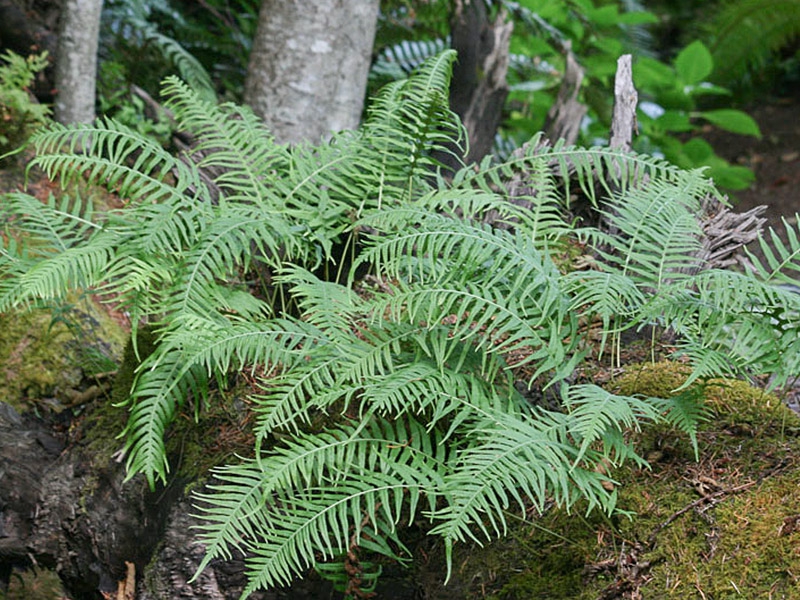
Growth Characteristics of Pteris glycyrrhiza Pteris glycyrrhiza is a perennial herbaceous plant that thrives primarily in moist forests or shady areas. This plant features long, spreading rhizomes, and its leaves grow in a feather-like shape. Due to its preference for shade and moisture, it does not grow well in dry environments. Propagation Methods Pteris glycyrrhiza is primarily propagated by spores. Spores are produced on the undersides of the leaves; upon maturation, they are dispersed by the wind to sprout new shoots. It can also be propagated by division of the rhizomes. Cultivation Methods - Environment: It prefers shady locations and moist soil. Select well-draining soil and water regularly to maintain humidity. - Soil Preparation: It prefers soil rich in organic matter, and it is recommended to adjust the soil acidity to slightly acidic. 3. Planting: Since propagation by spores can take a long time, division using rhizomes is more effective. - Care: Keep weeds out of the area around the plant, and it is recommended to mulch during the winter to prevent the roots from freezing. Uses in the Garden Pteridium gliquichiza is suitable as a shade plant in the garden. It blends well with other plants and can also serve as ground cover in shaded areas. Additionally, it is a plant that fits well with natural garden or forest garden styles. Important Pests and Control Methods Pteridium gliquichiza is not susceptible to specific pests, but it can be vulnerable to fungal diseases in environments that are excessively humid or poorly ventilated. - Fungal Disease Control: If fungal disease occurs, it is recommended to improve ventilation, remove the affected area, and apply an appropriate fungicide. Providing a healthy growing environment through proper plant care is the best way to prevent disease. If necessary, you can obtain more professional pest control methods by consulting a gardening center or expert near your home.
Plant Type
Plant Family
Polypodiaceae
Height
15~30cm
Spread
40~50cm
Colors
sporophyte
Bloom Period
March to May (spore period)
Water Needs
commonly
Exposure
semi-shaded area
Freezing Resistance
-10°C
Cambricum bracken
Polypodium cambricum
Seaside stonecrop
Polypogon monspeliensis