English
한국어
English
Español
中文
हिंदी
Home
News
Community
Dictionary
English
한국어
English
Español
中文
हिंदी
View list
Seaside stonecrop
Polypogon monspeliensis
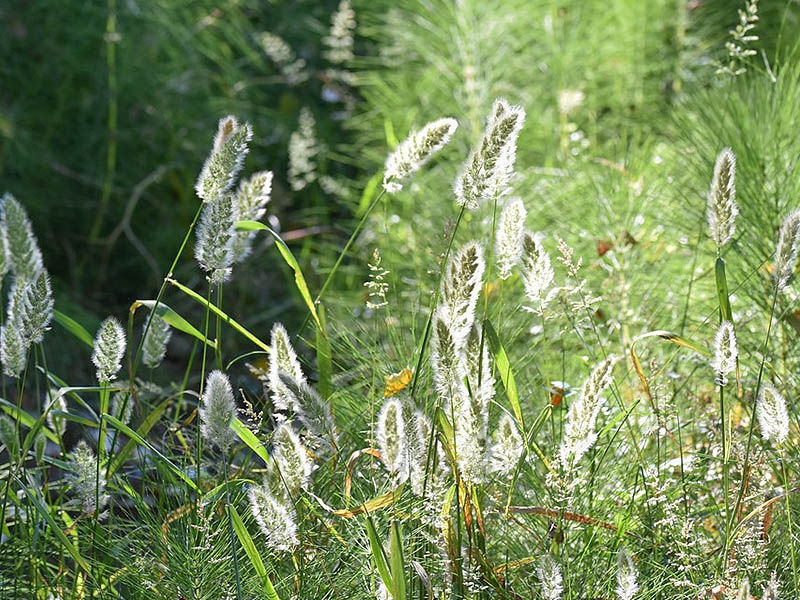
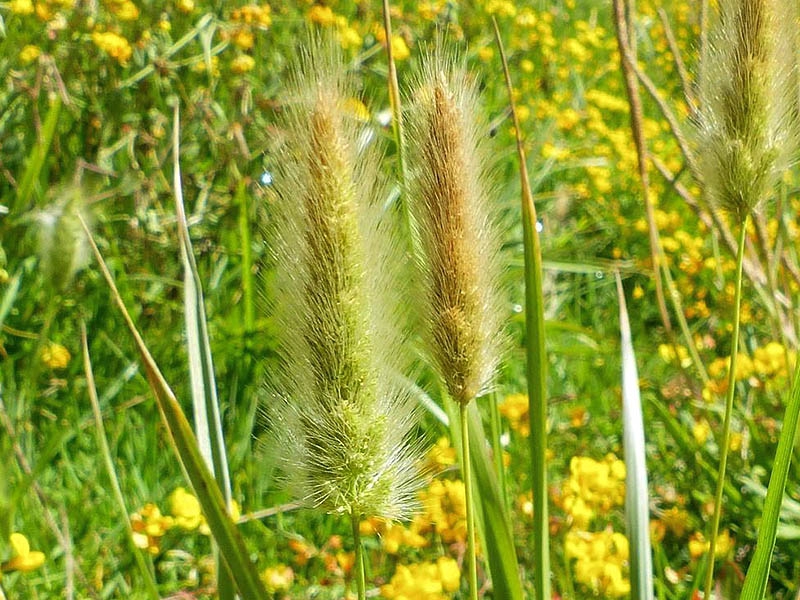
Polypogon monspeliensis is an annual herb that grows primarily in wetlands or along water's edge. I will explain the plant's growth characteristics, propagation methods, cultivation methods, garden uses, major pests and diseases, and control methods. Growth Characteristics Polypogon monspeliensis requires high humidity and can even grow underwater. It grows to a height of approximately 30 to 60 cm, and its leaves are narrow and elongated. It disperses seeds by forming long, slender inflorescences at the tips of its stems. Propagation Methods This plant primarily reproduces by seeds. It is best to sow seeds in spring or summer, and it thrives in moist soil. Additionally, seeds are widely dispersed through water flow. Cultivation Methods For cultivation, it should be planted in a location with good water flow, taking care to ensure it is not completely submerged. Even in well-drained soil, adequate water supply is required. Garden Uses It is used to create natural landscapes by planting around wetlands or ponds. This plant can add beauty to aquatic or wildflower gardens by providing a natural, untouched feel. Important Pests and Control Methods Seaside sedge rarely suffers from particularly serious pests or diseases. However, mold can occur in environments with excessive moisture and overcrowding. To prevent this, plant them at spaced intervals and ensure good ventilation. Appropriate insecticides or fungicides may also be used as needed. Based on this information, you will be able to properly care for and grow a healthy Seaside sedge monspeliensis.
Plant Type
Plant Family
Poaceae
Height
30∼60cm
Spread
Colors
green
Bloom Period
May to June
Water Needs
commonly
Exposure
Sunny
Freezing Resistance
-10°C
Fern glycerid
Polypodium glycyrrhiza
Ironwood
Polypogon fugax