English
한국어
English
Español
中文
हिंदी
Home
News
Community
Dictionary
English
한국어
English
Español
中文
हिंदी
View list
Black opening
Polystichum tsus-simense
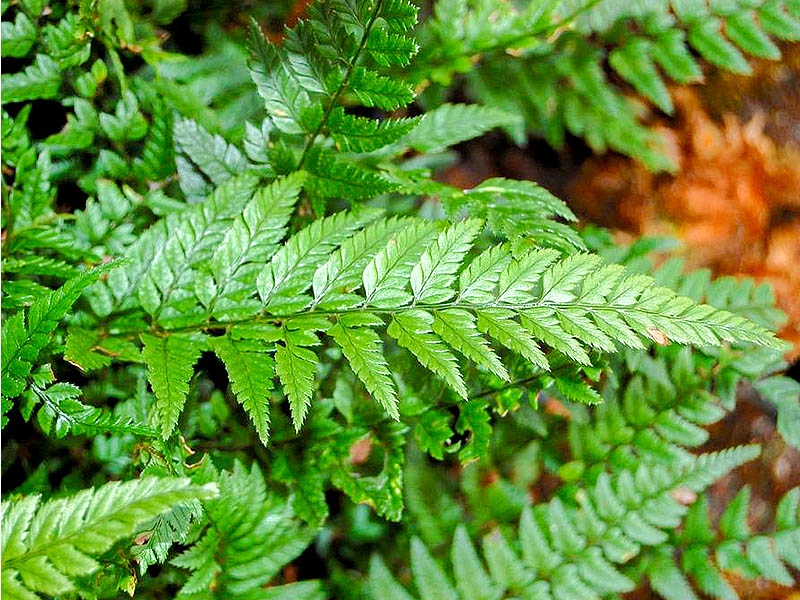
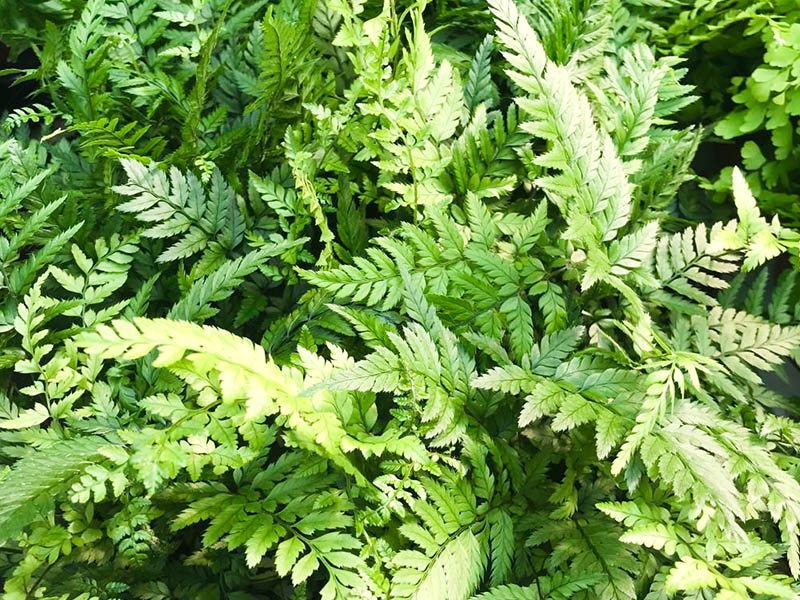
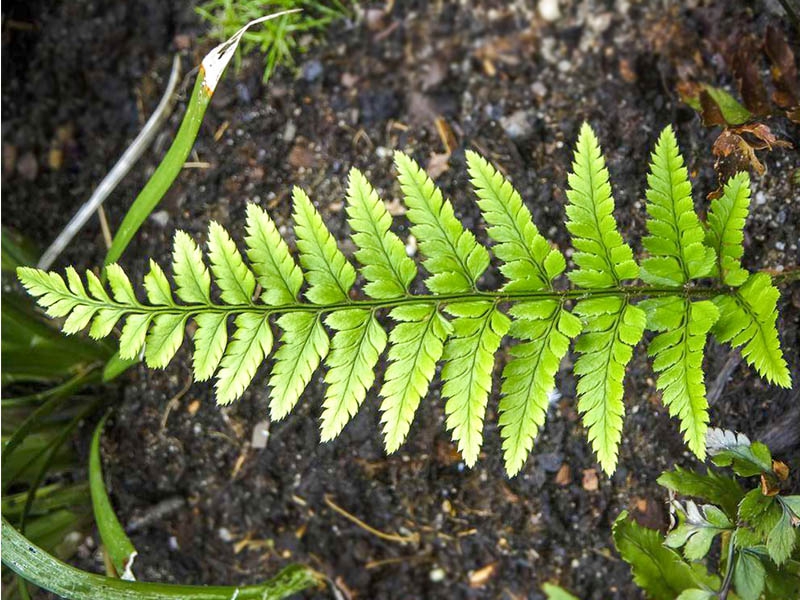
Characteristics and Care Methods of Polystichum tsus-simense - Growth Characteristics: - Classification: Pteridophyta (Fern family) - Features: A small, compact fern characterized by dark green leaflets. It thrives in partial shade and prefers a moist environment. - Propagation Methods: - Spore Propagation: It reproduces naturally through mature sporophytes; spores germinate upon contact with soil. - Division: It can be propagated by dividing root clumps; spring or autumn are the optimal seasons. - Cultivation Methods: - Environment: It prefers partial shade or semi-shade, and it is best to avoid excessive direct sunlight. - Soil: It grows well in fertile, well-drained soil. It is recommended to maintain the soil pH at a slightly acidic level. - Watering: Since it likes moisture, water regularly to prevent the soil from drying out. However, avoid excessive moisture. - Use in the Garden: - It is suitable as a ground cover plant in gardens or shady flowerbeds, and can be planted alongside various other plants to enhance decorative effects. - Pests and Diseases & Control Methods: - Pests and Diseases: As with common ferns, it may be susceptible to damage from snails and scale insects. - Control Methods: If damage occurs, it can be controlled using soapy water or refined organic pesticides; physical removal methods can also be considered. - Maintaining a Healthy Environment: Creating a well-ventilated environment and avoiding excessive moisture can reduce the occurrence of pests and diseases. Black-spotted Water Fern is a relatively easy-to-care-for fern that can grow beautifully in the right environment.
Plant Type
Plant Family
Myeonma-gwa
Height
40∼60cm
Spread
Colors
sporophyte
Bloom Period
June to September (spore period)
Water Needs
commonly
Exposure
semi-shaded area
Freezing Resistance
-20°C
Poliscias Valforiana
Polyscias balfouriana
large cross fern
Polystichum tripteron f. subpinnatum