English
한국어
English
Español
中文
हिंदी
Home
News
Community
Dictionary
English
한국어
English
Español
中文
हिंदी
View list
Nadohichomi
Polystichum polyblepharum
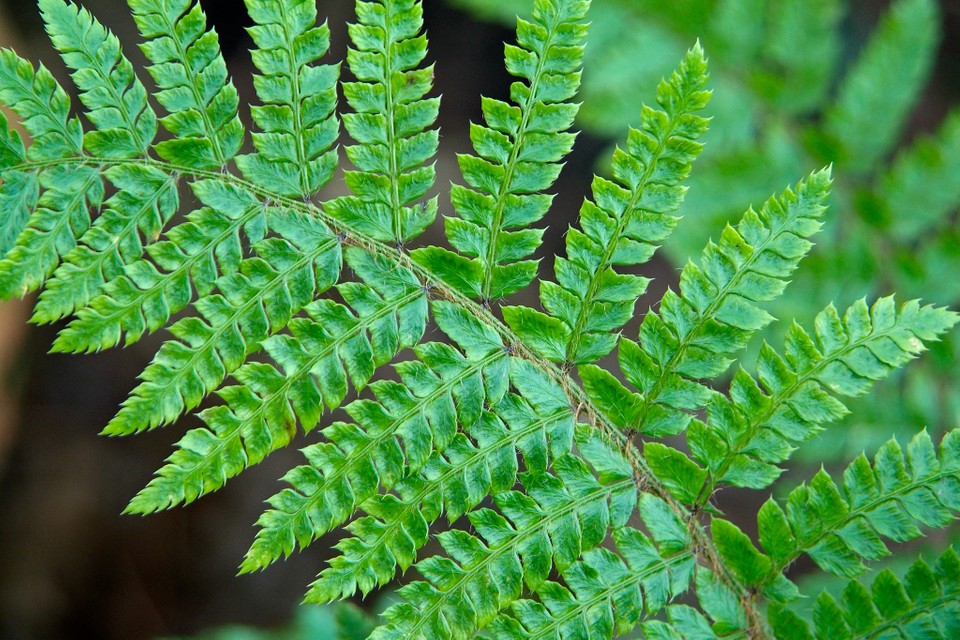
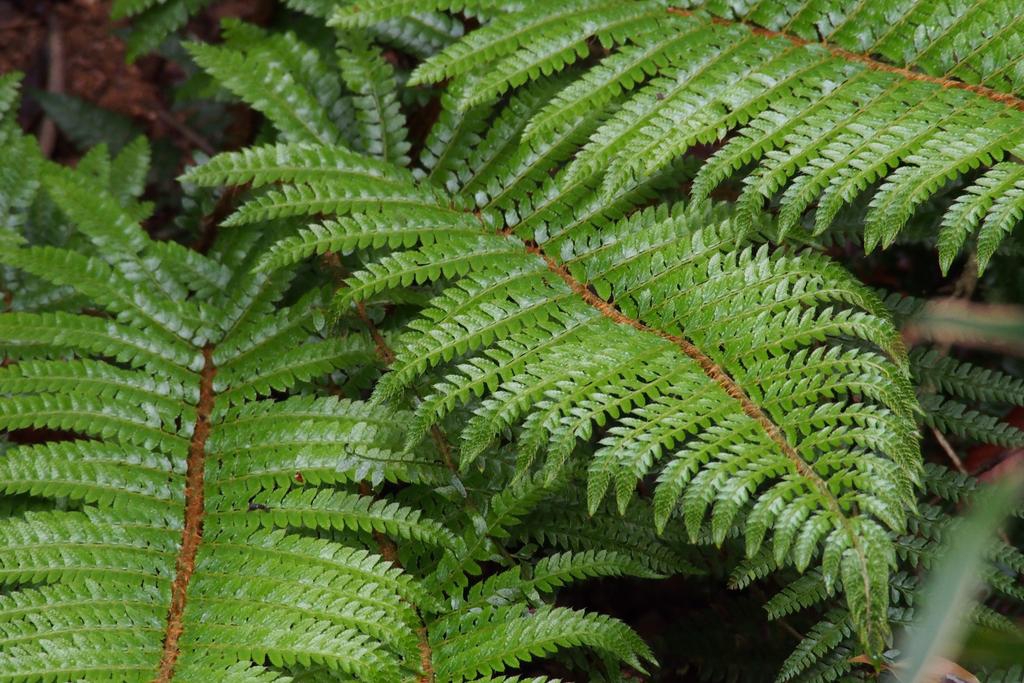
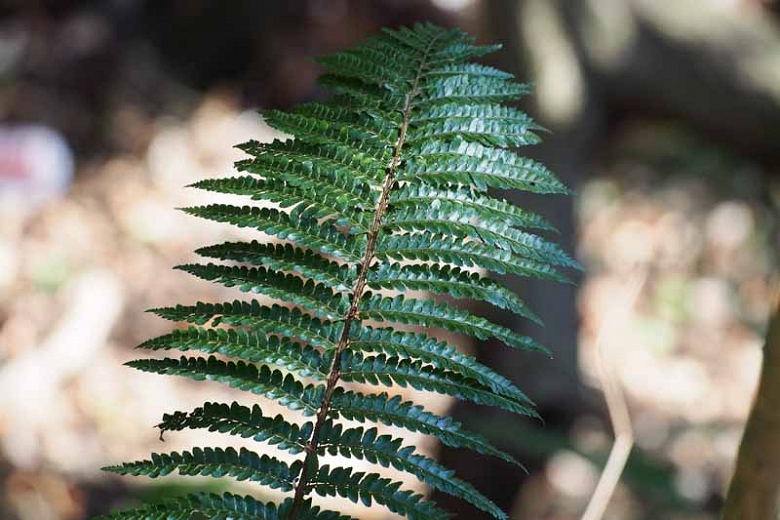
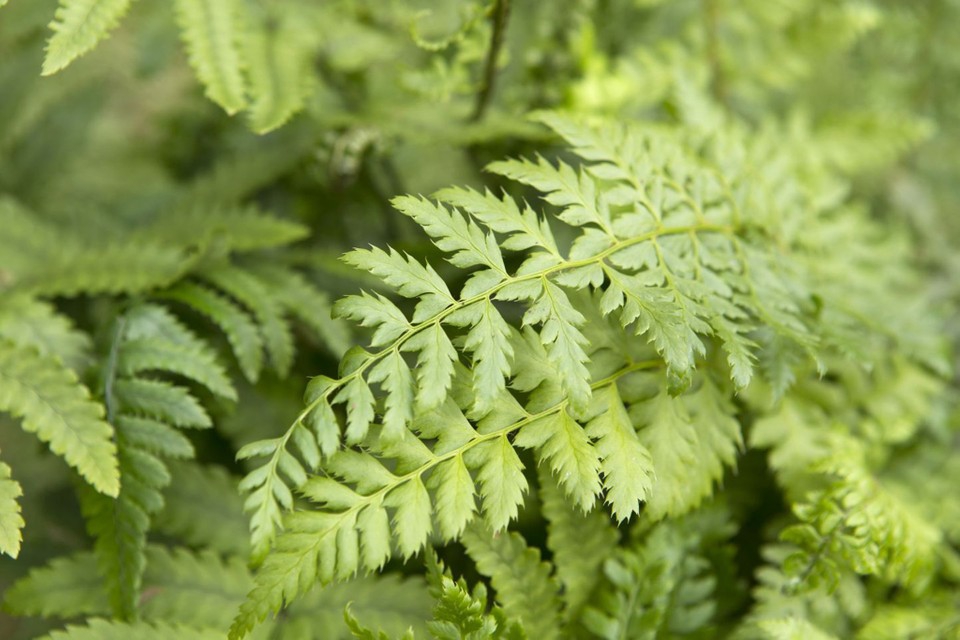
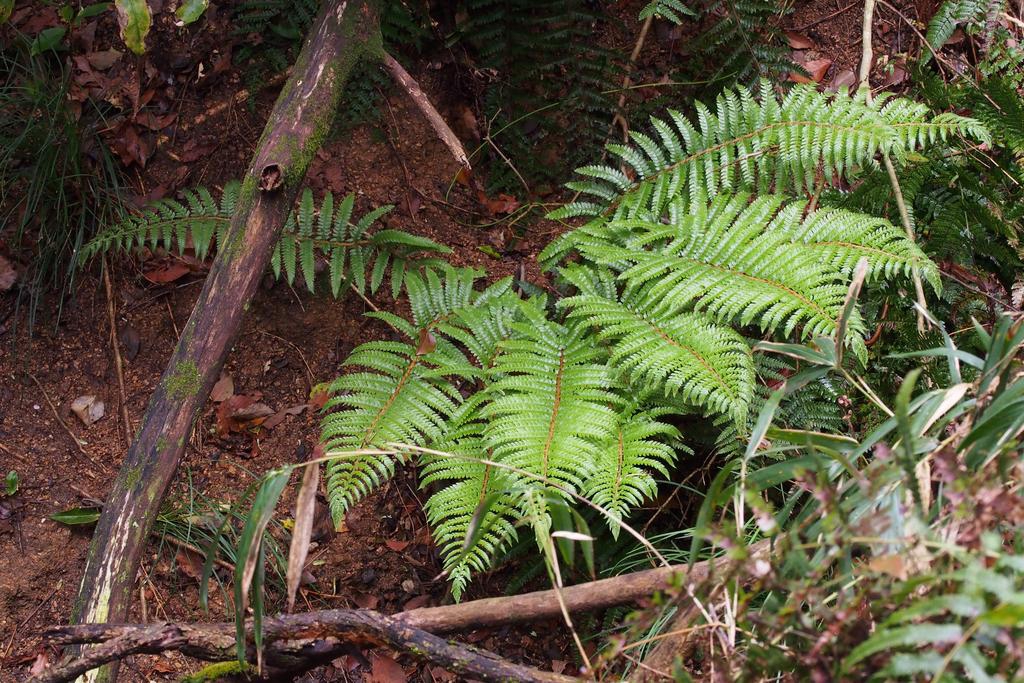
P. polyblepharum is an evergreen fern native to East Asia, characterized by its beautiful, glossy leaves. The following describes the growth characteristics, propagation methods, cultivation methods, garden uses, and major pests and diseases, as well as control methods. Growth Characteristics - Environment: P. polyblepharum thrives in partial shade and prefers soil with moderate moisture. - Soil: Well-drained, humus-rich soil is suitable. - Temperature: It is relatively cold-tolerant, but severe freezing should be avoided. Propagation Methods - P. polyblepharum can be propagated by spores. Spores mature during the summer; collect the mature spores and germinate them indoors. It can also be propagated by root division. Cultivation Methods - Planting: Plant in a suitable shaded area, ensuring sufficient distance from other plants. - Watering: Maintain consistent moisture, but ensure good drainage. - Fertilizer: It is recommended to apply a moderate amount of organic fertilizer during spring and summer. Uses in the Garden - As Nadohichomi is evergreen and visually beautiful, it is widely used as a ground cover plant in shaded gardens or flowerbeds. - It creates a natural and harmonious atmosphere, making it suitable for planting in rock gardens or near hedges. Important Pests and Control Methods - Diseases: While generally resistant to pests, root rot can occur due to excessive moisture. Proper drainage management is essential. - Pests: Major pests are generally absent, but if aphids or similar pests appear, they can be controlled using organic insecticides. - General Care: It is important to inspect the plant frequently and respond quickly upon early detection of pests or diseases. With this information, you can look forward to the healthy growth of Nadohichomi and the creation of a beautiful garden.
Plant Type
Plant Family
Myeonma-gwa
Height
20∼30cm
Spread
Colors
sporophyte
Bloom Period
June to September (spore period)
Water Needs
commonly
Exposure
semi-shaded area
Freezing Resistance
-20°C
I'm also open to the audience
Polystichum pseudomakinoi
Geographical Overview
Polystichum ovato-paleaceum