English
한국어
English
Español
中文
हिंदी
Home
News
Community
Dictionary
English
한국어
English
Español
中文
हिंदी
View list
Island
Polystichum longifrons
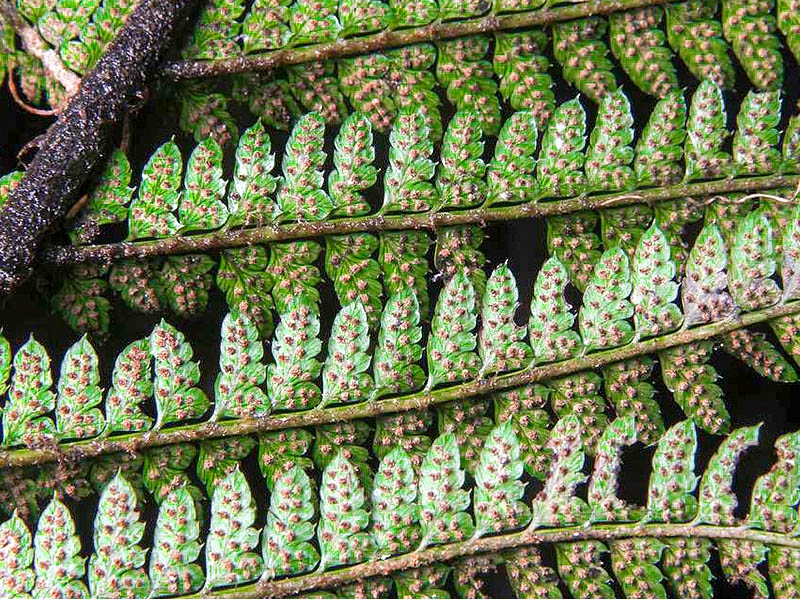
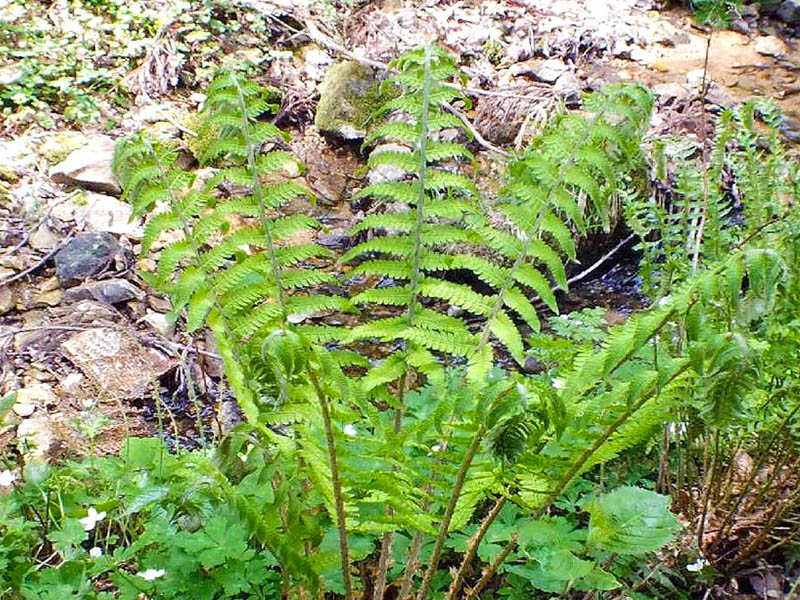
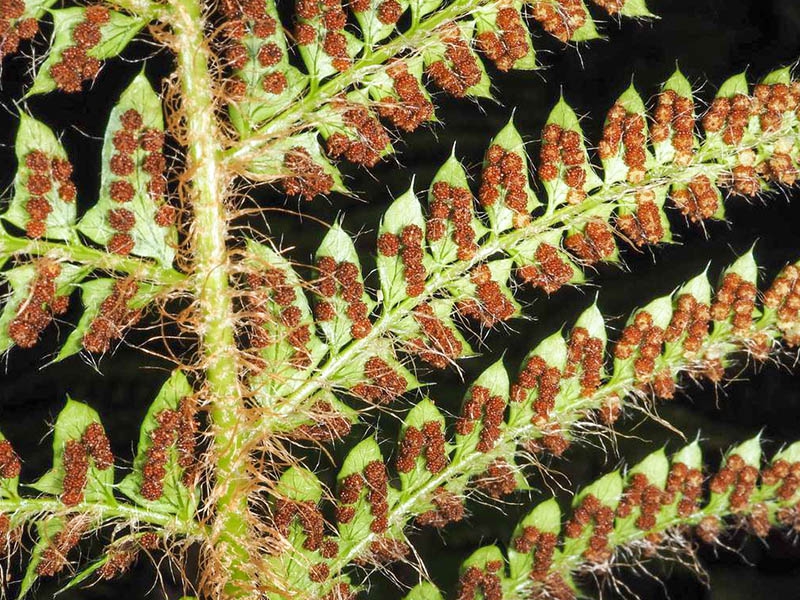
Growth Characteristics of Polystichum longifrons - Growth Characteristics - Polystichum longifrons is an evergreen fern that thrives primarily in damp, shady forests. - It typically grows to a height of 30–50 cm. Its leaves are dark green and arranged in a feather-like pattern. - It is highly cold-hardy and can grow even in winter, but it prefers slightly shaded environments rather than strong sunlight. - Propagation Methods - Propagation by spores is common, but artificial propagation can be achieved by dividing potted seedlings. - The most suitable seasons for propagation are spring and autumn; dividing the bushes during these periods is effective. - Cultivation Methods - It must be cultivated in well-drained soil, and proper moisture management is required to prevent the soil from becoming too dry. - When planting, it is recommended to mix sufficient organic matter into the soil. - When planting in a pot, it is advisable to ensure proper drainage and place the pot in partial shade. - Use in the Garden - Since Samnadohichomi longifrons thrives in shaded areas, it is ideal for placement along garden borders or in shaded flowerbeds. - It can be planted alongside other ferns to create a natural forest atmosphere. - Major Pests and Diseases and Control Methods - Generally, there are not many pests or diseases; however, fungal diseases may occur in hot and humid environments. To prevent this, proper ventilation must be maintained. - Pests and diseases that occur can be controlled using appropriate fungicides. It is recommended to apply fungicides preventively before and after new shoots emerge. - In some cases, aphids or snails may appear; control is possible through physical removal or the use of natural predators. Based on this information, you can successfully cultivate and utilize Samnadohichomi longifrons.
Plant Type
Plant Family
Myeonma-gwa
Height
65~110cm
Spread
Colors
sporophyte
Bloom Period
June to September (spore period)
Water Needs
commonly
Exposure
semi-shaded area
Freezing Resistance
-10°C
Yun Gae-gwan-jung
Polystichum makinoi
parasitic fern
Polystichum lepidocaulon