English
한국어
English
Español
中文
हिंदी
Home
News
Community
Dictionary
English
한국어
English
Español
中文
हिंदी
View list
parasitic fern
Polystichum lepidocaulon
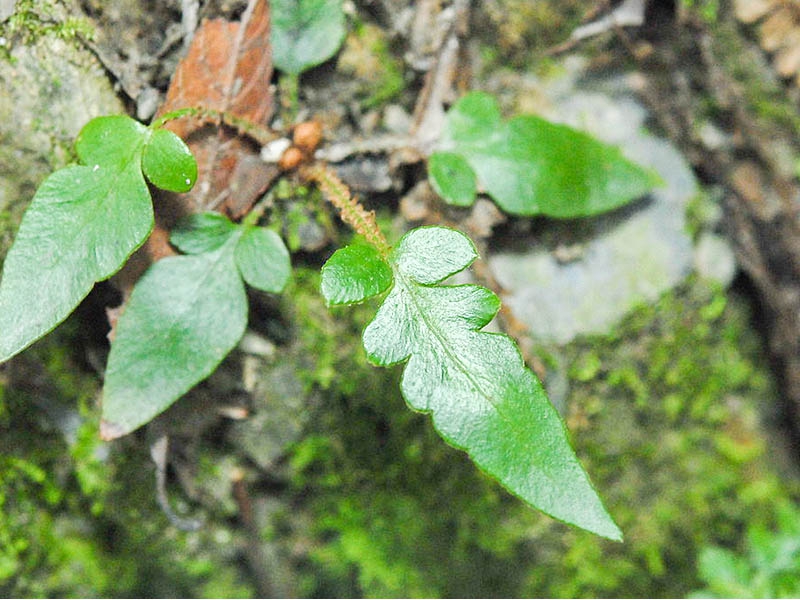
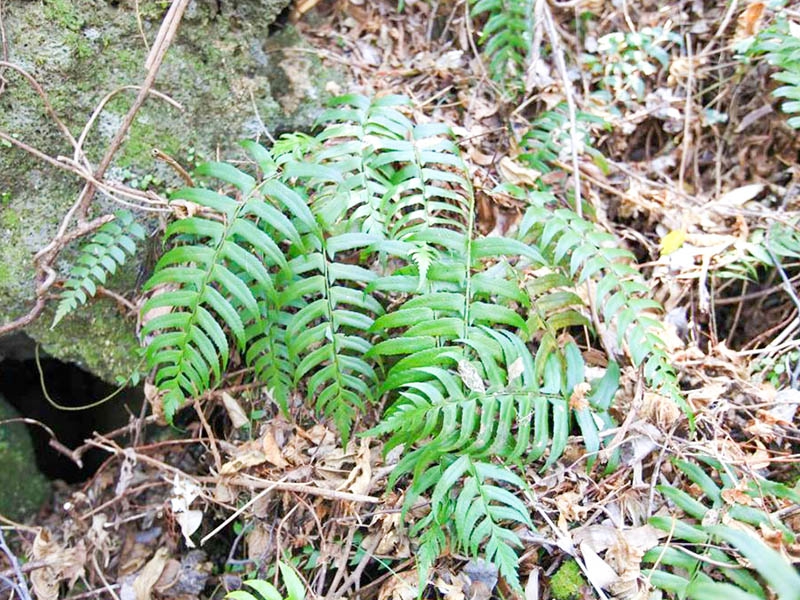
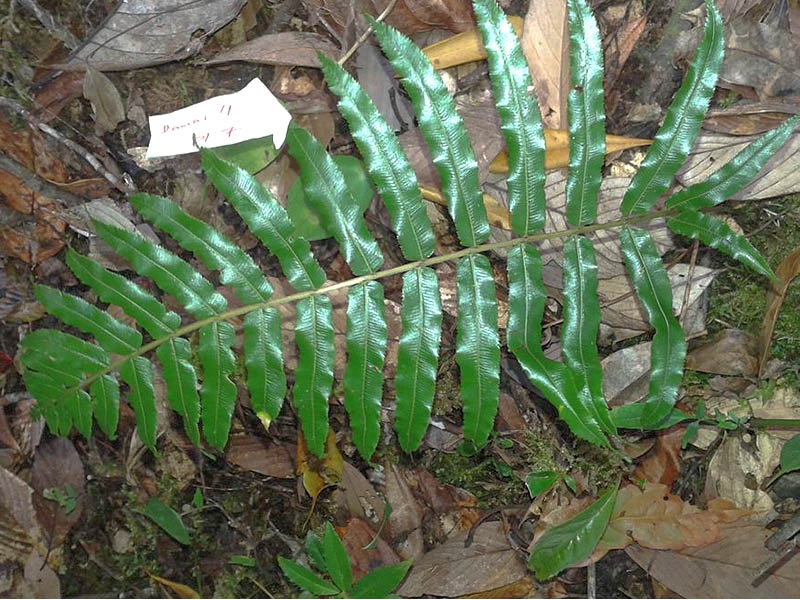
Growth Characteristics of Polystichum lepidocaulon Polystichum lepidocaulon is an evergreen perennial that primarily grows in shady areas of mountainous regions. This plant prefers a warm and humid climate and thrives in well-drained soil. It generally grows to a height of 30 to 70 cm and forms green, feather-like leaves. This plant is highly adaptable to various environments, and growing in shade is particularly advantageous. Propagation Methods Polystichum lepidocaulon is a fern that reproduces by spores. Spores are produced in sporangia formed on the undersides of leaves, and mature spores naturally fall and germinate. Spore germination is the most common method for artificial propagation, but division of mature plants is also used for cultivation. Cultivation Methods Cultivation in partial shade is recommended. The soil should be well-drained and slightly acidic to neutral. Water should be provided sufficiently to keep the soil from drying out, but care must be taken to avoid overwatering. As it is a fern, it is recommended to apply a small amount of organic fertilizer in the spring. Uses in the Garden Planting parasitic ferns in shaded areas of the garden allows you to appreciate their beautiful green leaves, and they are also suitable for harmonious landscaping with other red lotus varieties. They also blend well in rock gardens or riparian areas. Important Pests and Control Methods Parasitic ferns are generally resistant to pests and diseases, but they can be infected by fungal diseases in humid environments. To prevent this, it is important to manage the environment to ensure good ventilation and to use appropriate pesticides when necessary. Additionally, if small white powder appears on the leaves, it may be due to mites; in this case, physical removal or the use of mite-specific insecticides is effective.
Plant Type
Plant Family
Myeonma-gwa
Height
10∼40cm
Spread
Colors
sporophyte
Bloom Period
July to September (spore period)
Water Needs
commonly
Exposure
semi-shaded area
Freezing Resistance
-20°C
Island
Polystichum longifrons
Jeju Cross Fern Hangkoki
Polystichum hancockii