English
한국어
English
Español
中文
हिंदी
Home
News
Community
Dictionary
English
한국어
English
Español
中文
हिंदी
View list
Polysticum munitum
Polystichum munitum
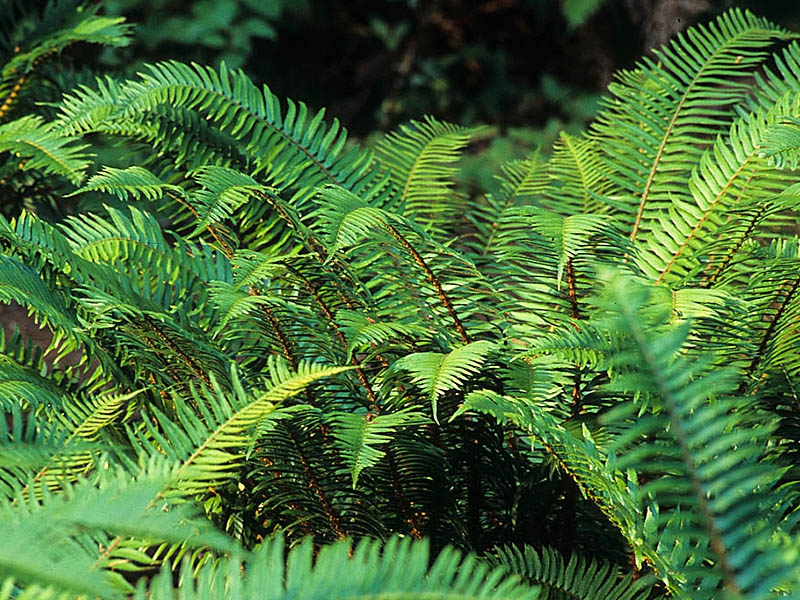
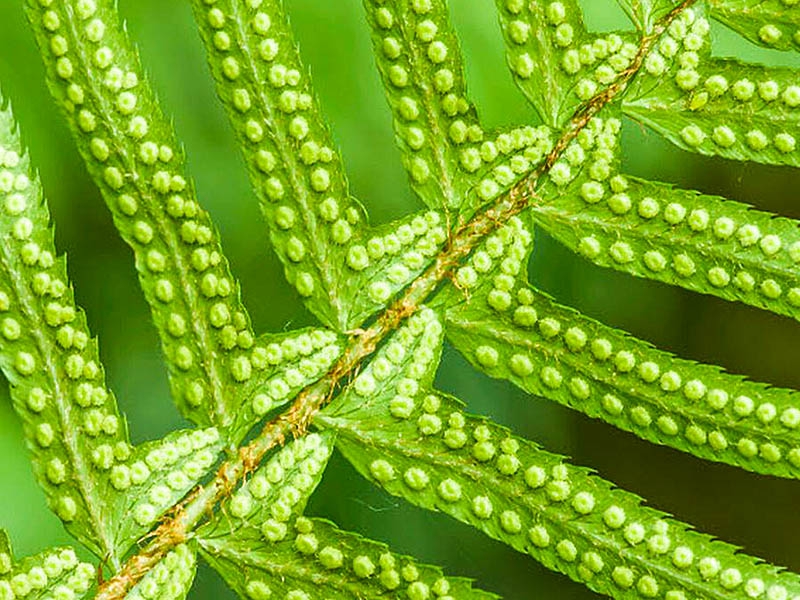
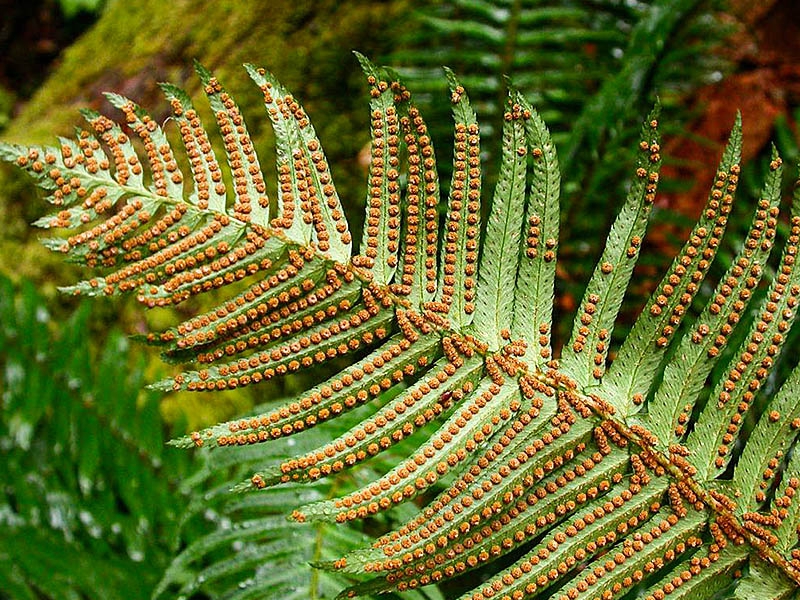
Polystichum munitum, commonly known as the Western fern, is a perennial fern native to the western coastal regions of North America. The following is information regarding its growth characteristics, propagation methods, cultivation methods, garden uses, and major pests and diseases, as well as control methods. - Growth Characteristics: - Grows to a height of approximately 50–150 cm. - Thrives in partial shade and prefers well-drained, organic-rich soil. - Has strong cold tolerance and tolerates low temperatures well. - Propagation Methods: - Primarily propagated by spores. - Spores can be collected and germinated at room temperature once the sporangia mature in the spring. - It can also be propagated by root division. This is best performed in spring or early summer. - Cultivation Methods: - As it prefers a humid environment, proper watering is required. - Maintain partial shade and avoid dry environments. - Thick mulching can help retain soil moisture. - Use in the Garden: - It is highly popular as a garden decoration due to the unique, exotic leaf shape characteristic of ferns. - It is excellent for use as a ground cover and is suitable for shady locations. - Major Pests and Control Methods: - While generally resistant to pests and diseases, it may be susceptible to root rot if waterlogged. - Butterfly larvae may gnaw on the leaves; these can be controlled by removing them manually or using appropriate insecticides. Although Polystichum munitum is easy to care for and relatively resistant to pests and diseases, maintaining appropriate environmental conditions is beneficial for healthy growth.
Plant Type
Plant Family
The audience and
Height
60~120cm
Spread
60~120cm
Colors
sporophyte
Bloom Period
March to August (spore period)
Water Needs
commonly
Exposure
semi-shaded area
Freezing Resistance
-20°C
Polysticum setiferum
Polystichum setiferum
Polysticum acrosticoides
Polystichum acrostichoides