English
한국어
English
Español
中文
हिंदी
Home
News
Community
Dictionary
English
한국어
English
Español
中文
हिंदी
View list
trifoliate orange tree
Poncirus trifoliata
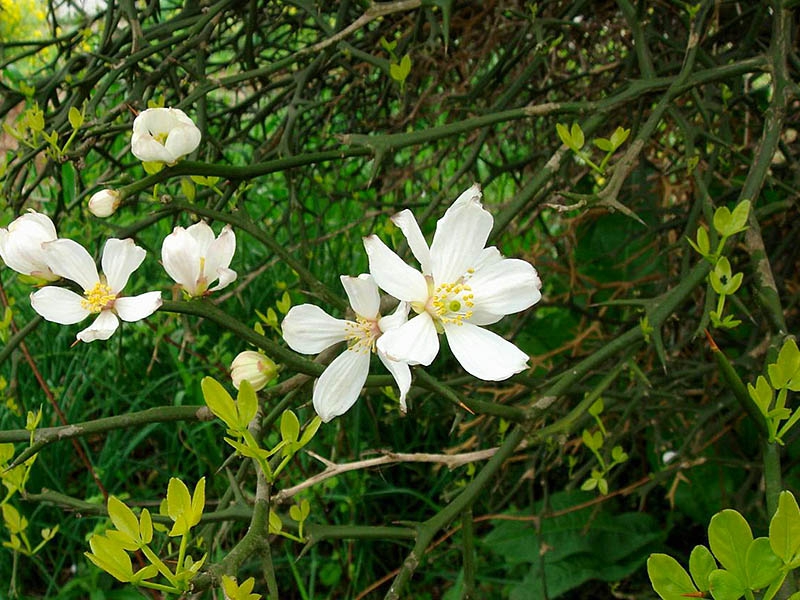
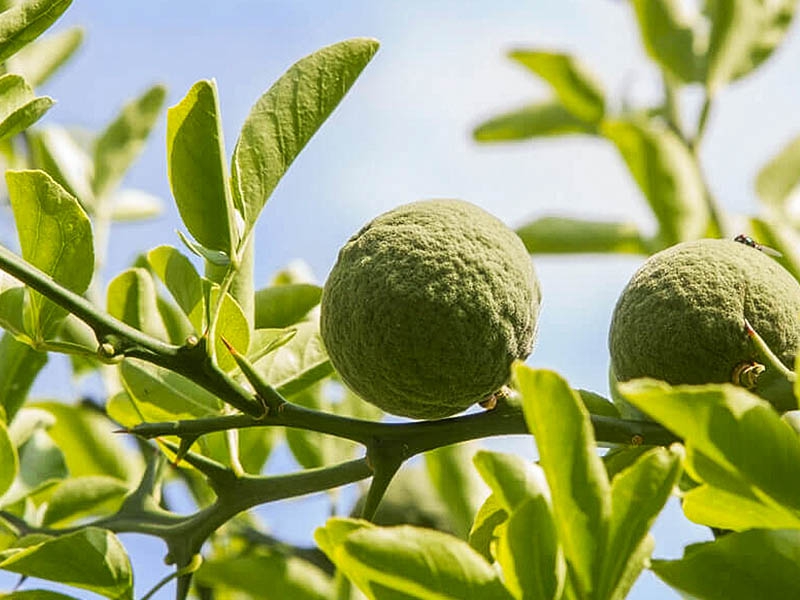
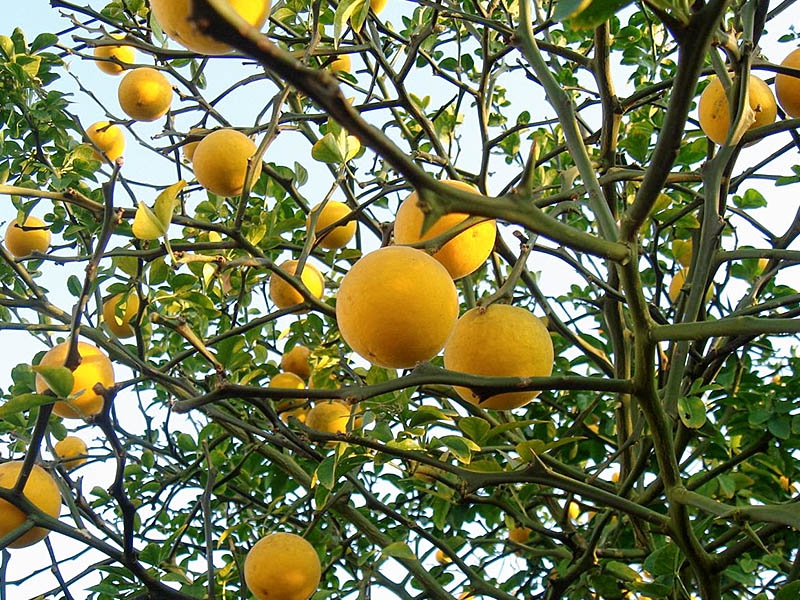
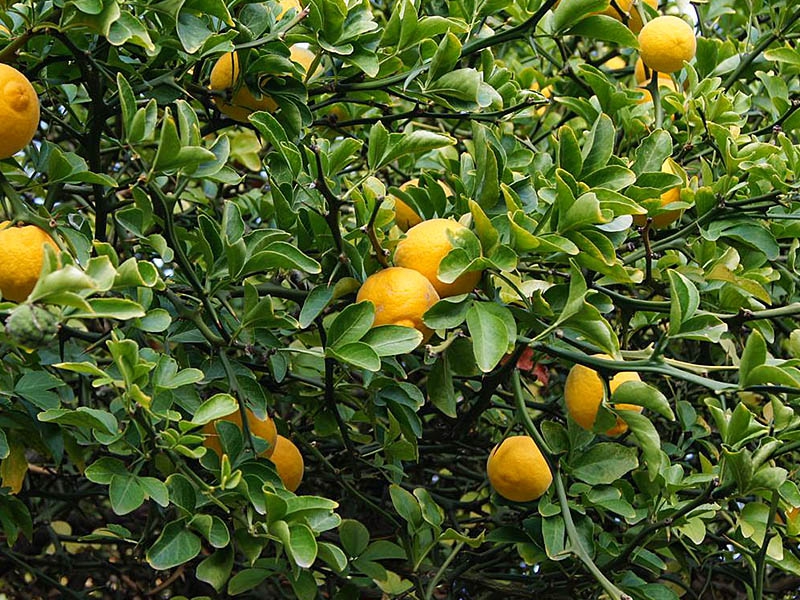
Poncirus trifoliata has the following growth characteristics, propagation methods, cultivation methods, garden uses, major pests and diseases, and control methods. Growth Characteristics - Environmental Requirements: Poncirus trifoliata is relatively cold-tolerant and thrives in various soil conditions. It prefers well-drained soil and sunny locations. - Growth Habits: As a deciduous broad-leaved small tree, it sheds its leaves seasonally. It has a dense branching structure with many thorns and grows up to approximately 3 to 4 meters in height. Propagation Methods - Seed Propagation: It is generally propagated by seeds. Seeds are collected from mature fruits, thoroughly dried, and prepared for germination. - Cuttings: If leafy branches are cut in the summer and placed in water, they root well. Cultivation Methods - Planting: The period between mid-March and early April is suitable for planting. Plants should be spaced sufficiently apart. - Care: Maintain well-drained soil and water appropriately as needed. It is recommended to fertilize in the spring. Uses in the Garden - Fences and Border Trees: Due to its sturdy thorns, it is used as a fence or border tree. - Ornamental: The flowers in spring and the fruit in autumn provide a decorative effect in the garden. Major Pests and Diseases and Control Methods - Diseases: Diseases such as fruit limestone may occur; these can be prevented by improving ventilation and drainage. - Pests: Insects such as aphids may appear; to control them, use appropriate insecticides early on or utilize natural predators. While the trifoliate orange is relatively easy to care for, it requires the right environment and proper management. In particular, caution is required in the garden due to its thorns, which may endanger people or animals.
Plant Type
Plant Family
Rutaceae
Height
3~4m
Spread
Colors
white
Bloom Period
May
Water Needs
commonly
Exposure
Sunny
Freezing Resistance
-20°C
moss filipeum
Polytrichum piliferum
Fontederia Cordata
Pontederia cordata