English
한국어
English
Español
中文
हिंदी
Home
News
Community
Dictionary
English
한국어
English
Español
中文
हिंदी
View list
Japanese aspen
Populus sieboldii
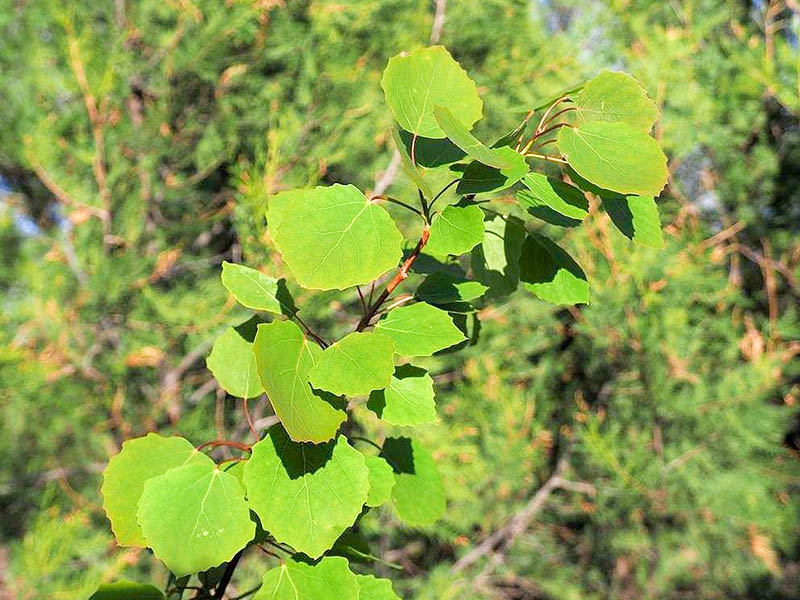
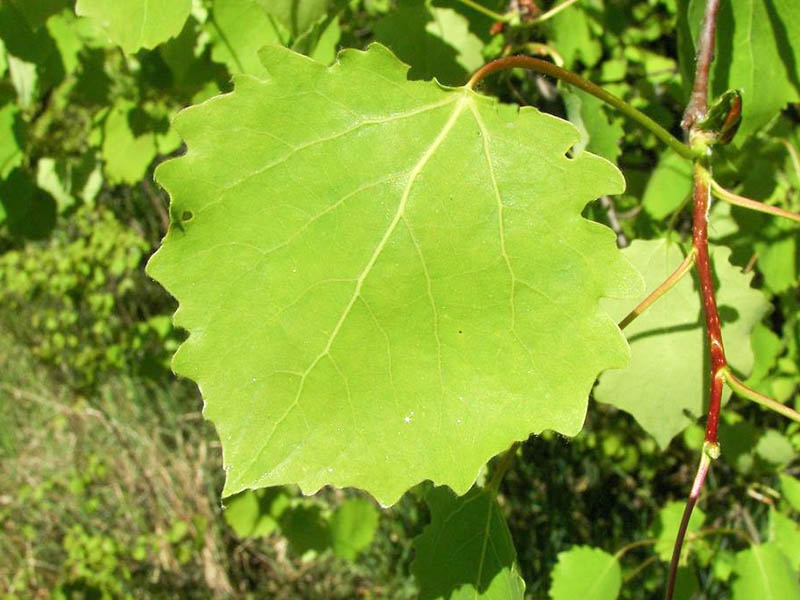
Populus sieboldii is a deciduous tree primarily distributed in Japan and East Asia. Its characteristics, propagation methods, cultivation practices, garden uses, major pests and diseases, and control methods are as follows: Growth Characteristics - Growing Environment: Populus sieboldii prefers sunlight and thrives in well-drained soil. Root rot may occur in poorly drained soil. - Growth Rate: It is relatively fast and can grow over 1 meter per year in suitable conditions. - Size: Mature trees can grow up to approximately 20 to 30 meters in height, with a trunk diameter reaching 1 meter. Propagation Methods - Seed Propagation: It can be propagated by sowing seeds in early spring. Seeds require an environment that receives ample sunlight and retains moisture. - Cutting Propagation: New seedlings can be obtained by taking cuttings from healthy trees between spring and summer. After propagating by cuttings, maintain moisture to ensure proper root formation. Cultivation Methods - Soil Management: Well-drained soil is essential. If necessary, organic fertilizer can be added to improve soil fertility. - Water Management: Young seedlings require ample water in the early stages, while mature trees require relatively less watering. However, additional watering is necessary during periods of severe drought. - Pruning: Regular pruning is recommended to maintain the tree's health and shape. Uses in Gardens - Japanese Poplar (Sieboldi) can be used to provide shade or as a landscape tree. Due to its rapid growth, it is also suitable for use as a windbreak or for greening streets. Major Pests and Control Methods - Diseases: Leaf blight and powdery mildew may occur, primarily in humid conditions. To prevent this, ensure good ventilation and, if necessary, use antifungal agents. - Pests: Insects such as poplar leaf beetles can cause damage. These pests can be detected early and controlled using insecticides or natural enemies. With proper care and control, Japanese sedge (Sea sedge) can grow into a beautiful tree. This allows for effective utilization in gardens or urban environments.
Plant Type
Plant Family
Willow family
Height
25m
Spread
80cm
Colors
red
Bloom Period
May to July
Water Needs
commonly
Exposure
Sunny
Freezing Resistance
-30°C
willow
Populus simonii
ironwood
Populus suaveolens