English
한국어
English
Español
中文
हिंदी
Home
News
Community
Dictionary
English
한국어
English
Español
中文
हिंदी
View list
broad-leaved violet
Viola mirabilis
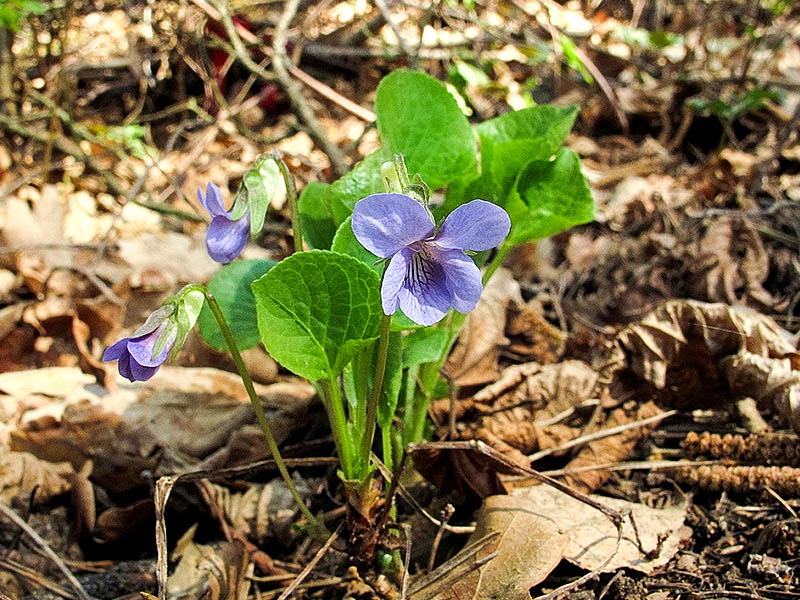
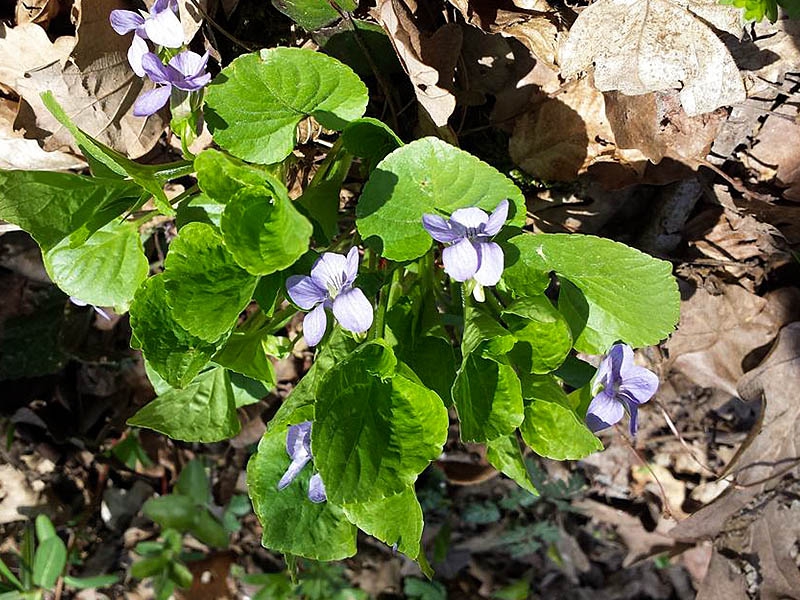
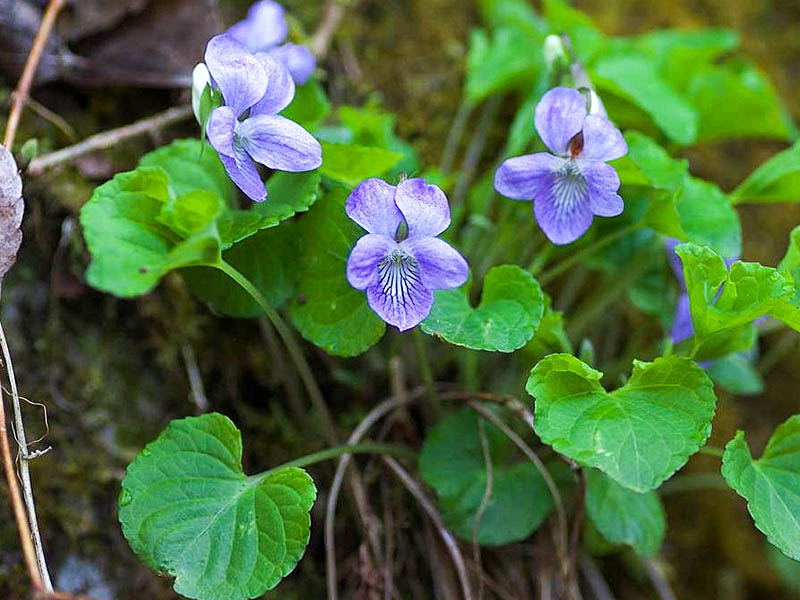
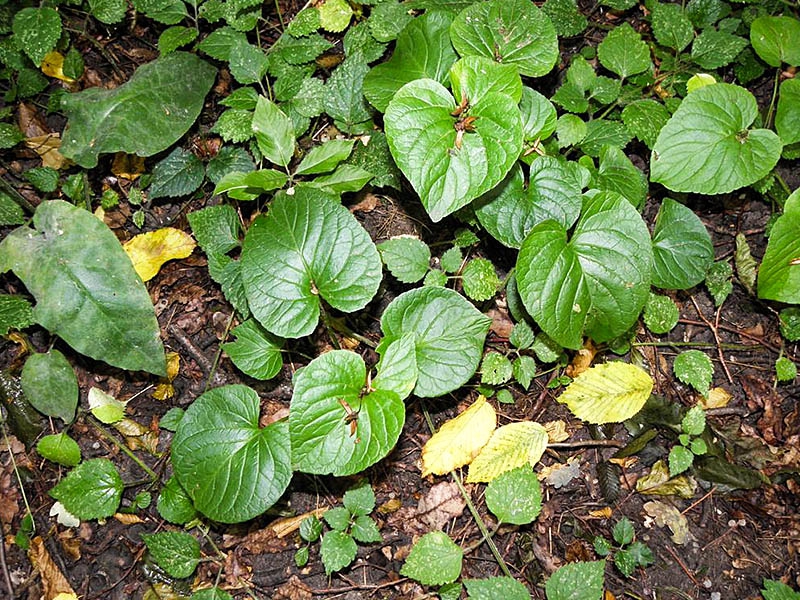
Viola mirabilis is a perennial herbaceous plant with the following characteristics: Growth Characteristics - Growing Environment: It prefers cool, shady locations and thrives in partial shade. - Soil Conditions: It exhibits optimal growth in well-drained, humus-rich soil. - Humidity and Watering: Maintaining consistent humidity is important, and excessive watering should be avoided. Propagation Methods - Seeds: Sowing seeds is common. Sow in spring or autumn, and cover with a light layer of soil after sowing. - Division: It can be propagated by dividing root clumps before new shoots emerge in the spring. Cultivation Methods - Spacing: Maintain appropriate spacing between plants to ensure good sunlight and air circulation. - Fertilizer: Too much fertilizer can be harmful, so use a small amount of organic fertilizer during the growing season. Uses in the Garden - Decorative Value: Its broad leaves and elegant flowers provide a decorative effect in the garden. - Cluster Planting: Planting in clusters in shaded gardens, flowerbeds, or along walking paths creates a natural look. Important Pests and Diseases & Control Methods - Diseases: Leaf blight is a common problem; prevent it by creating a well-drained environment. - Pests: Aphids may occur; upon early detection, physical removal or the use of eco-friendly insecticides is possible. - Control: Regular monitoring and preventive measures are crucial, and a prompt response is required when pests or diseases occur. By managing these characteristics carefully, Viola mirabilli can continuously create a beautiful landscape in the garden.
Plant Type
Plant Family
Violet family
Height
15∼30cm
Spread
Colors
purple
Bloom Period
April to May
Water Needs
commonly
Exposure
semi-shaded area
Freezing Resistance
-10°C
long-leaved violet
Viola ovato-oblonga
Viola mandshurica
Viola kusanoana