English
한국어
English
Español
中文
हिंदी
Home
News
Community
Dictionary
English
한국어
English
Español
中文
हिंदी
View list
Malva
Viola hondoensis
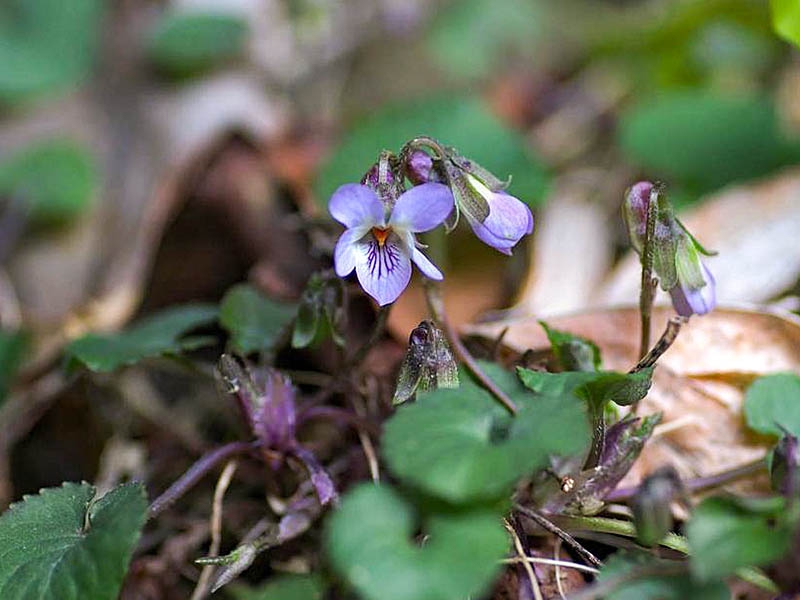
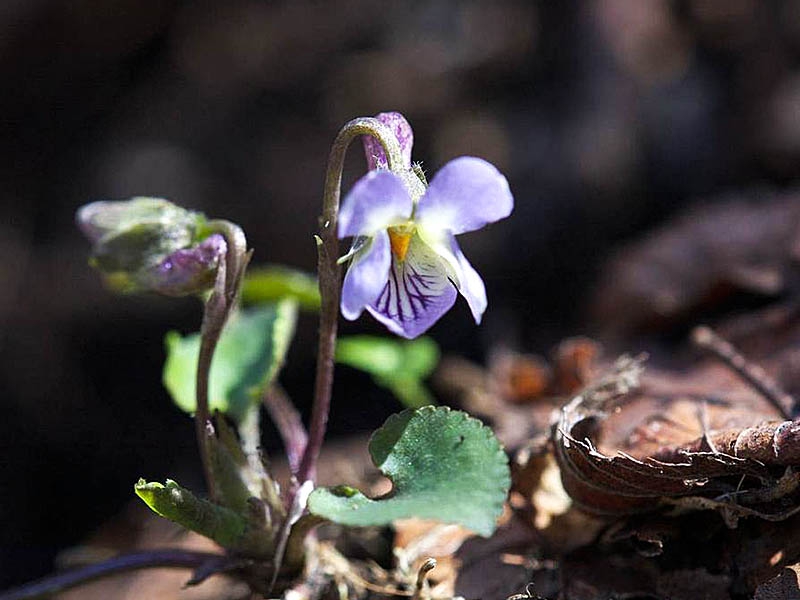
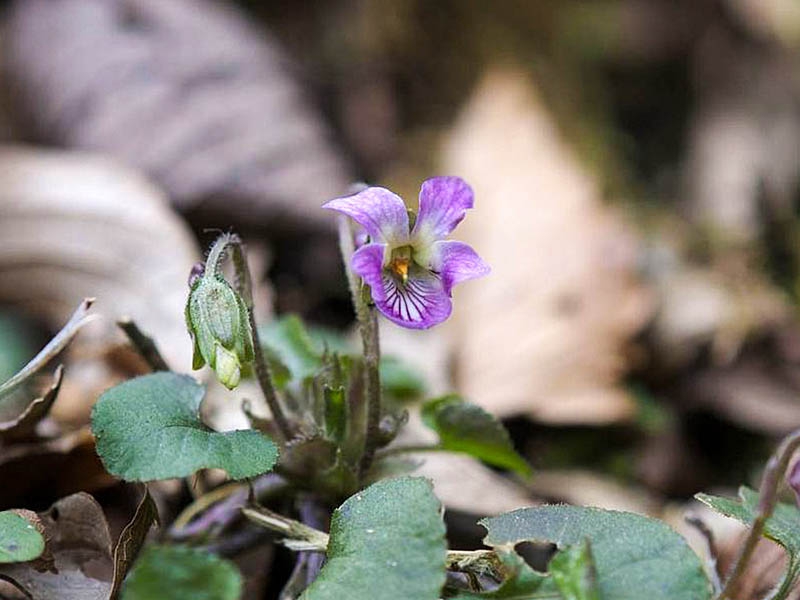
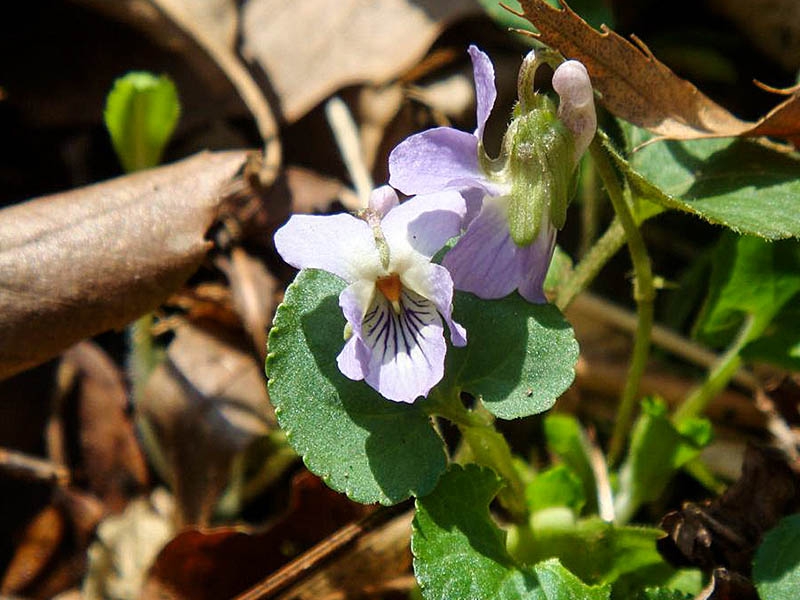
Viola hondoensis is a plant native primarily to Japan, possessing the following characteristics and cultivation methods. Growth Characteristics - Growing Environment: It thrives in partial shade in forest areas and prefers soil with moderate moisture. - Size: It generally grows to a height of 10–20 cm. - Flowers: It blooms with small purple or white flowers in the spring. Propagation Methods - Seed Propagation: Once the plant flowers and produces seeds, collect them and sow them in the spring or autumn. While the germination rate is not high, a large number of seeds can germinate under suitable conditions. - Division: Propagating by dividing the root portion in the autumn is also an effective method. Cultivation Methods - Soil: It is important to plant in well-drained soil. Organic fertilizers can be used to supplement soil nutrients. - Watering: Ensure the soil remains moist at all times, but avoid overwatering. - Sunlight: It prefers partial shade, so it is best to avoid direct sunlight. Uses in the Garden - Landscaping: It is used as a decorative plant in the garden due to its small flowers and fresh foliage. - Ground Cover: Its low stature makes it suitable as a ground cover plant. Important Pests and Control Methods - Diseases: It can be susceptible to fungal diseases if waterlogged, so it is important to pay attention to drainage. - Pests: It may be attacked by aphids or moths; control them using biological agents or eco-friendly insecticides. - General Control Methods: Regular observation and ventilation help prevent pests and diseases. By considering these characteristics and methods, you will be able to successfully grow Viola hondoinsis.
Plant Type
Plant Family
Violet family
Height
15cm
Spread
Colors
purple
Bloom Period
April~May
Water Needs
commonly
Exposure
semi-shaded area
Freezing Resistance
-10°C
Viola mandshurica
Viola kusanoana
small fishing violet
Viola grypoceras var. exilis