English
한국어
English
Español
中文
हिंदी
Home
News
Community
Dictionary
English
한국어
English
Español
中文
हिंदी
View list
Wonsan stickleback
Potentilla niponica
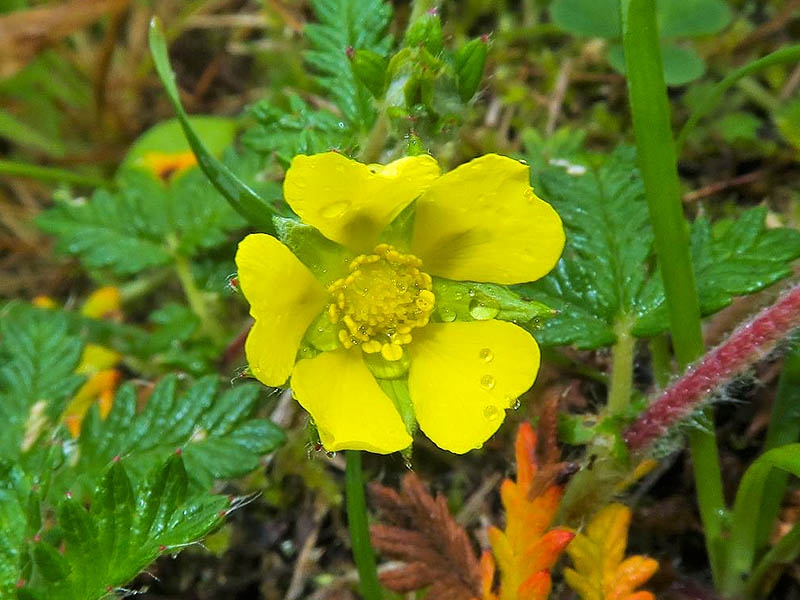
Potentilla niponica is a plant native to Korea and Japan and belongs to the Rosaceae family. The following is information regarding this plant's growth characteristics, propagation methods, cultivation methods, garden uses, and pest and disease control methods. Growth Characteristics - Morphology: Potentilla niponica is a perennial herbaceous plant that grows to a height of approximately 30–50 cm. The leaves are pinnately divided and hairy. - Flowers: Yellow flowers bloom in the summer. The flowers are round in shape and usually consist of five petals. - Growing Environment: It prefers sunny locations and thrives in well-drained soil. It is cold-hardy and withstands cold winters well. Propagation Methods - Seed Propagation: It can be propagated by seeds. It is best to sow seeds in the spring or autumn. It may take some time for germination. - Division Propagation: Mature plants can be propagated by division during the winter. Divide and plant when the roots are well-developed. Cultivation Method - Soil: You must select soil with good drainage. Mixing sand into general flowerbed soil is also a good option. - Watering: Avoid overwatering and water only when the soil becomes dry. Maintain an environment with good drainage. - Fertilizer: Use general horticultural fertilizers; it is recommended to fertilize in the spring when new leaves emerge. Uses in the Garden - Border Plant: Can be planted along borders or edges to enhance the landscape. - Rock Garden: Suitable for rock gardens due to its cold and drought tolerance. - Flowerbed: Can add color to flowerbeds as it blooms brightly in the summer. Important Pests and Diseases & Control Methods - Diseases: Generally resistant to diseases, but root rot can occur if the soil is overwatered. Pay attention to drainage to prevent this. - Pests: Pests such as aphids and mites may occur. To prevent this, observe the plant regularly and use eco-friendly insecticides if problems arise. - Control Methods: You can manage it in an eco-friendly way by using organic insecticides or removing pests by hand. Based on this information, you can properly care for Scutellaria niponica and grow it beautifully in various garden environments.
Plant Type
Plant Family
Rosaceae
Height
60cm
Spread
Colors
yellow
Bloom Period
July–August
Water Needs
commonly
Exposure
Sunny
Freezing Resistance
-30°C
Wide sticker Niponica
Potentilla nipponica
White-flowered bush clover
Dasiphora mandshurica