English
한국어
English
Español
中文
हिंदी
Home
News
Community
Dictionary
English
한국어
English
Español
中文
हिंदी
View list
Prostrate violet
Viola epipsiloides
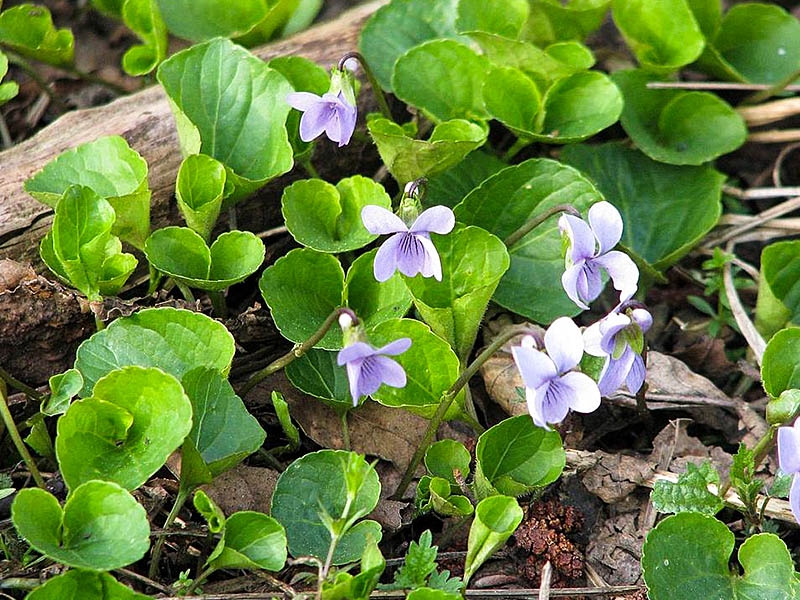
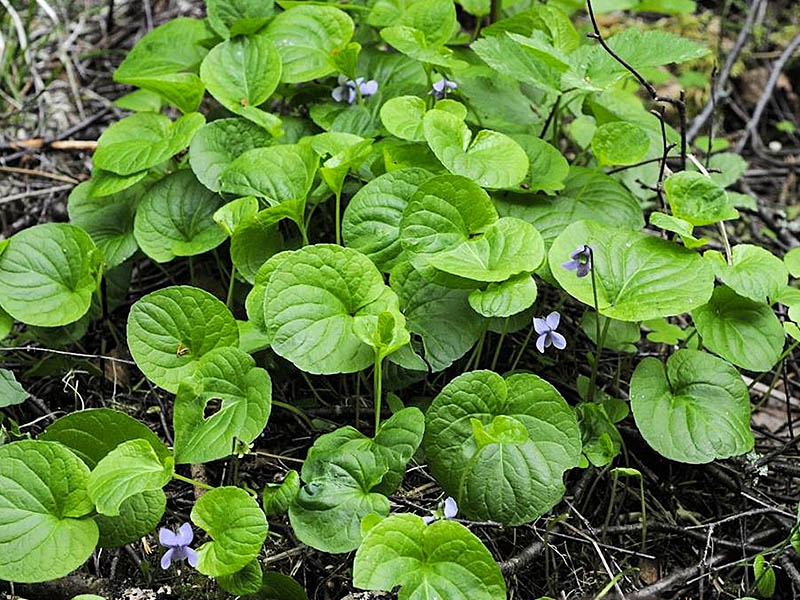
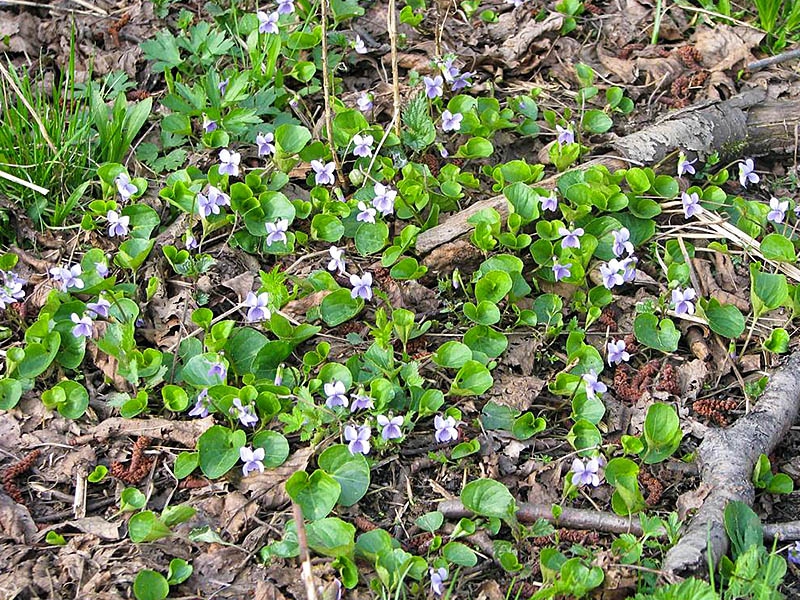
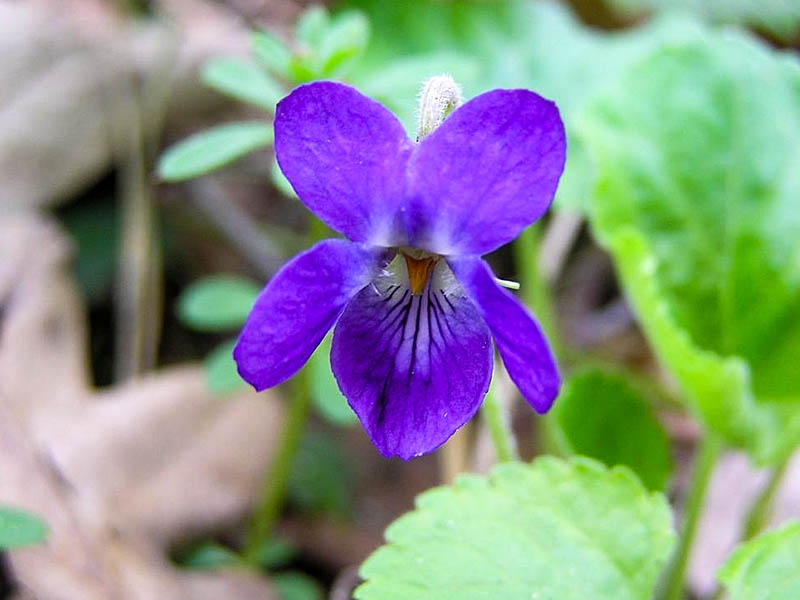
Growth Characteristics of Viola epipsiloides: Viola epipsiloides is a perennial herbaceous plant that grows primarily in shady areas of forests or in moist regions. It grows to a height of approximately 10 to 20 cm, and its leaves are oval-shaped with smooth margins. The flowers, which bloom in spring, are purple and have a distinctive fragrance. Propagation Methods: Viola epipsiloides is primarily propagated by seeds and root division. Seeds can be collected after the flowers have faded in spring and sown the following spring. Root division is usually performed in spring or autumn; healthy roots should be selected, separated, and planted immediately. Cultivation Methods: - Soil: Well-drained, soft soil is preferred, and it thrives in soil rich in humus. - Light: It grows well in partial shade, and it is best to avoid direct sunlight. - Watering: Keep the soil moist at all times, but avoid overwatering. 4. Fertilization: It is recommended to apply an appropriate amount of slow-release fertilizer in spring and autumn. Uses in the Garden: The prostrate violet is well-suited for shaded gardens, flowerbed edges, and naturalistic gardens. Along with its bright flowers in early spring, its unique leaf shape adds natural beauty to the garden. Important Pests and Diseases & Control Methods: - Diseases: It is mainly susceptible to root rot and leaf mold. - Control: Pay attention to drainage to prevent soil waterlogging. If disease occurs, remove the affected parts and apply a fungicide. - Pests: Aphids and snails are the main pests. - Control: Use eco-friendly insecticides or remove them physically using water. Install snail traps if necessary. By managing the prostrate violet in the manner described above, you can grow it healthy and beautiful.
Plant Type
Plant Family
Violet family
Height
4~10cm
Spread
Colors
purple
Bloom Period
May
Water Needs
commonly
Exposure
semi-shaded area
Freezing Resistance
-10°C
small fishing violet
Viola grypoceras var. exilis
Geumgangjebi
Viola diamantiaca