English
한국어
English
Español
中文
हिंदी
Home
News
Community
Dictionary
English
한국어
English
Español
中文
हिंदी
View list
Primula beesiana
Primula beesiana
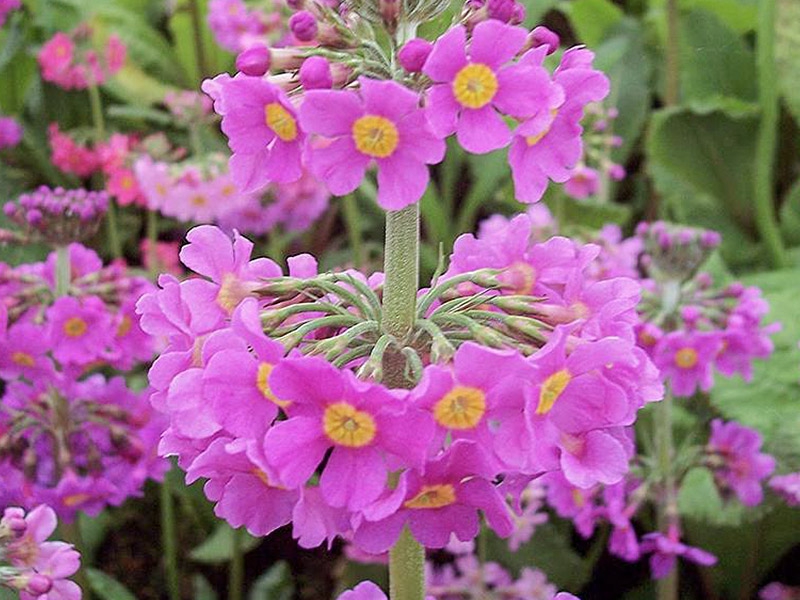
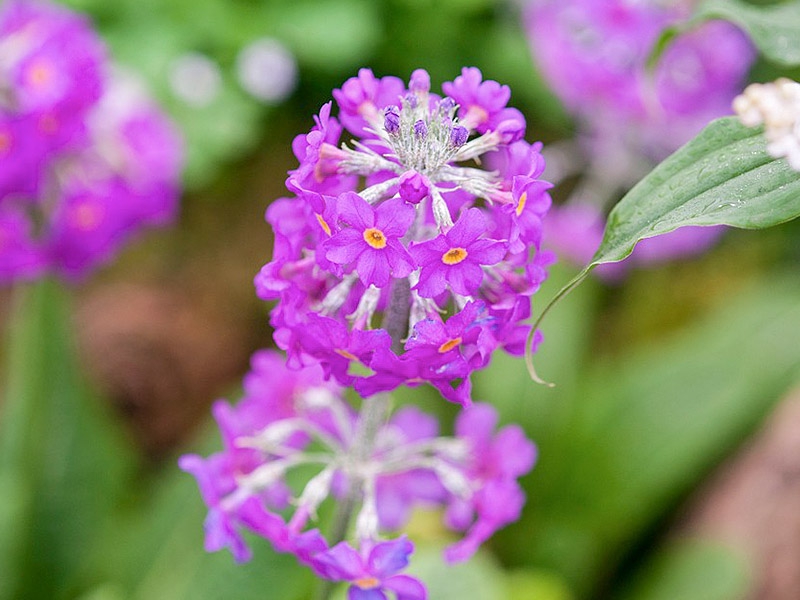
Primula beesiana is a perennial herbaceous plant highly popular in gardens for its beautiful colors and shapes. The following describes the main growth characteristics, propagation methods, cultivation methods, garden uses, and pest and disease control methods of Primula beesiana. Growth Characteristics - Size: It typically grows to about 30–60 cm, with long, straight flower stalks. - Leaves: The leaves are oval-shaped, long, and wide, with serrated margins. - Flowers: It usually blooms between June and July, with flowers of various colors such as red, purple, and pink appearing in clusters on flower stalks. The flowers are mainly arranged in a conical shape. - Habitat: It prefers moist areas and thrives in well-drained soil that retains moisture. Propagation Methods - Seed Propagation: It is common to sow seeds in the spring. Sow seeds shallowly and maintain steady moisture until germination. - Division: Mature plants can be propagated by dividing the clumps in spring or autumn. This method is particularly useful when you want to propagate a large number of plants quickly. Cultivation Method - Soil: It prefers well-drained, fertile soil. A pH range from neutral to slightly acidic is suitable. - Lighting: It thrives in partial shade, and it is best to avoid direct sunlight. - Watering: Water when the surface soil is dry, taking care to prevent the soil from becoming waterlogged continuously. - Temperature: It prefers a cool climate and requires care during hot weather. Garden Use - Landscape: It is suitable for planting along pond edges or in moist garden landscapes. You can create a colorful flower bed by utilizing flowers of various colors. - Ground Cover: It is also suitable for covering large areas. Important Pests and Control Methods - Diseases: Leaf blight and gray mold may occur. Since these diseases are primarily associated with excessive moisture, drainage must be thoroughly managed, and affected parts should be removed immediately. - Pests: Damage from aphids and snails is typical. Aphids can be controlled with insecticides, while snails can be physically removed or treated with snail repellents. - Control Methods: For organic control, improving ventilation and sunlight conditions in the surrounding environment can enhance the preventive effect against pests. Additionally, it is important to remove weeds and select varieties resistant to pests. Primula visiana is a plant that can provide a very beautiful landscape in the garden when provided with the right environment and care.
Plant Type
Plant Family
Primulaceae
Height
30~60cm
Spread
30~60cm
Colors
pink
Bloom Period
May~June
Water Needs
commonly
Exposure
Sunny
Freezing Resistance
-10°C
Primula bouleiana
Primula bulleyana
Primula 'Wanda'
Primula juliae 'Wanda'