English
한국어
English
Español
中文
हिंदी
Home
News
Community
Dictionary
English
한국어
English
Español
中文
हिंदी
View list
Primula 'Adrian'
Primula auricul
'Adrian'
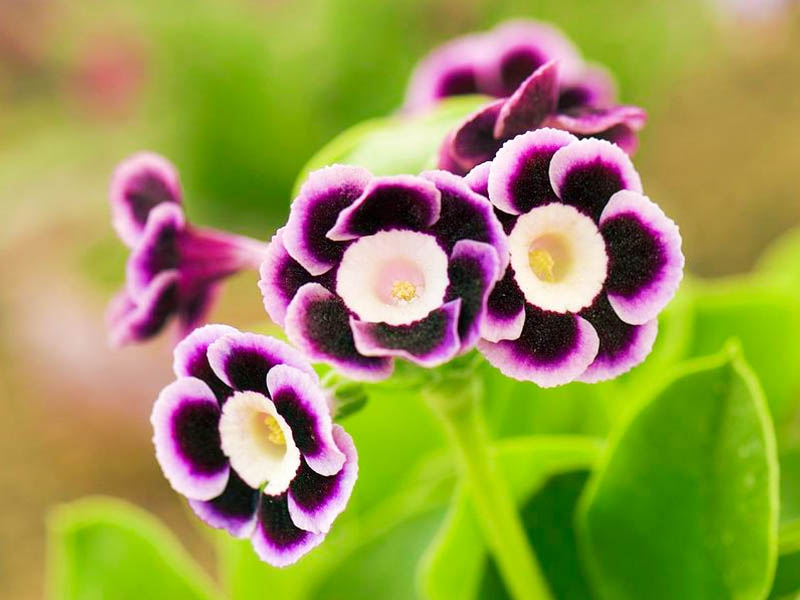
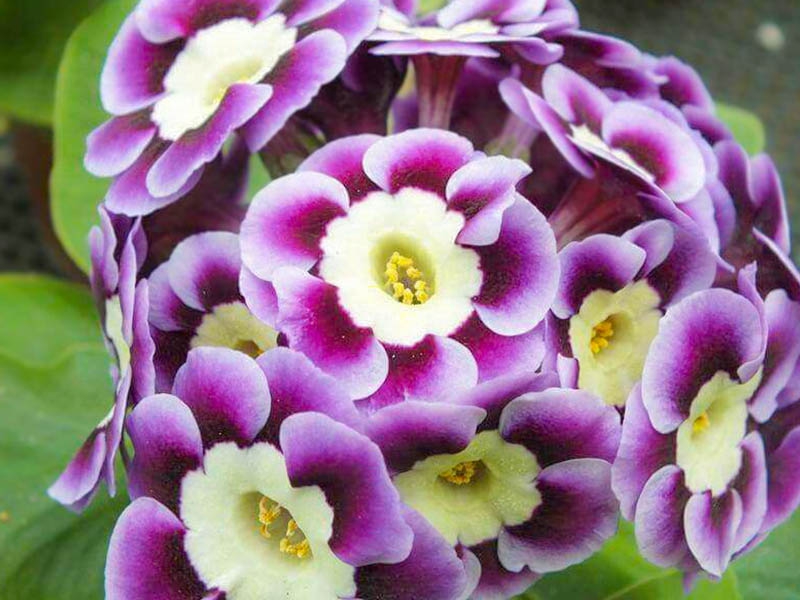
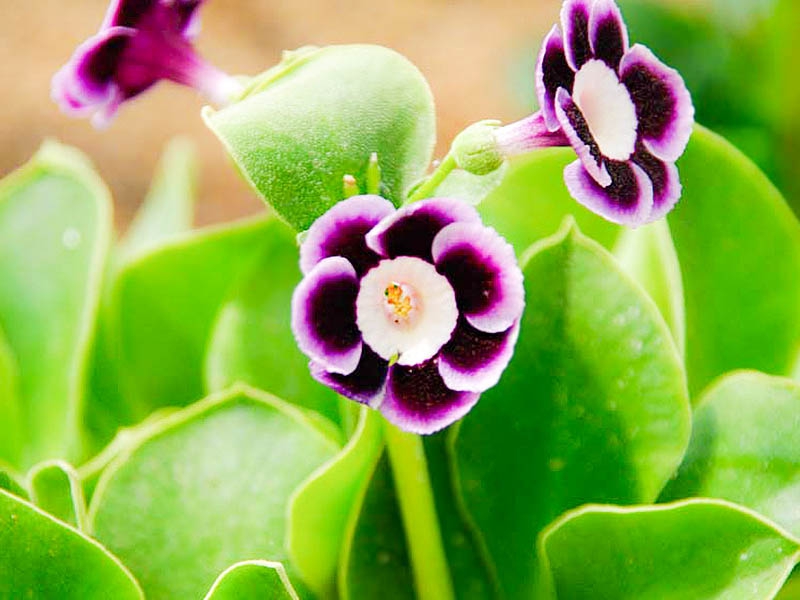
Growth Characteristics, Propagation Methods, Cultivation Methods, Garden Uses, Major Pests and Diseases, and Control Methods of Primula auricula 'Adrian' Growth Characteristics: Primula 'Adrian' is an evergreen perennial that primarily blooms with beautiful flowers in the spring. It grows to a height of approximately 10–15 cm and is characterized by its ability to propagate easily and form clumps. The leaves are relatively thick, and the flowers come in various colors, with yellow, red, and pink being the most common. Propagation Methods: It is propagated by seeds or division. It is best to sow seeds in the spring, while division is ideally performed in early spring or after the summer heat has subsided. When dividing, care should be taken to ensure the roots separate easily. Cultivation Methods: Primula 'Adrian' thrives in partial shade, and the soil should have good drainage. Root rot may occur in soil that is too wet or has poor drainage. It promotes healthy growth by supplying sufficient organic matter and maintaining adequate moisture. Uses in the Garden: Primula 'Adrian' is highly popular as a decorative plant in various locations, such as perimeter flowerbeds, rock gardens, and pots. It adds vitality to the garden with its diverse and colorful blossoms and harmonizes well with other spring flowers. Important Pests and Control Methods: The most common pests are aphids and powdery mildew. Aphids should be controlled by using insecticides in a timely manner, and if powdery mildew occurs, manage the environment by providing adequate ventilation and sunlight to prevent moisture buildup. Additionally, it is important to regularly inspect the soil and plants to respond quickly upon early occurrence.
Plant Type
Plant Family
Primulaceae
Height
15~20cm
Spread
15~20cm
Colors
purple, white
Bloom Period
April~May
Water Needs
commonly
Exposure
semi-shaded area
Freezing Resistance
-10°C
Primula 'Argus'
Primula auricula 'Argus'
Primula alioni
Primula allionii