English
한국어
English
Español
中文
हिंदी
Home
News
Community
Dictionary
English
한국어
English
Español
中文
हिंदी
View list
Viola rotundifolia
Viola rotundifolia
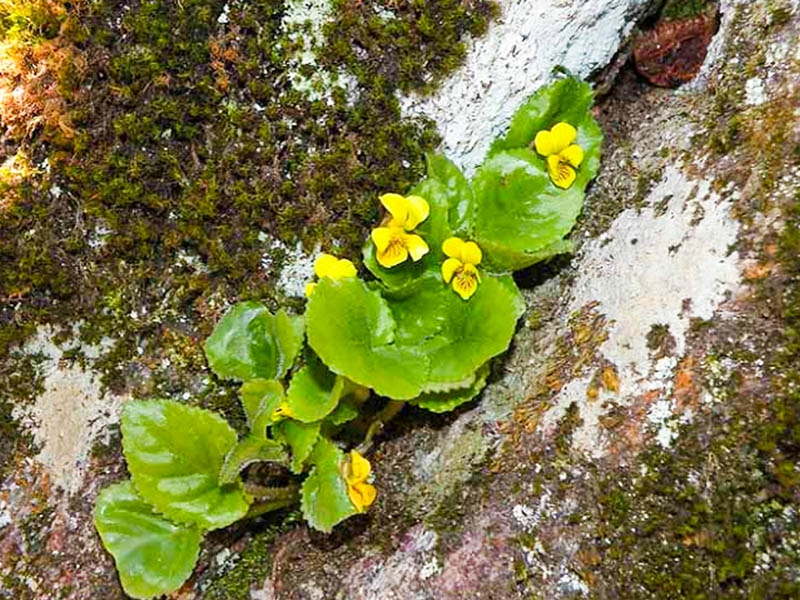
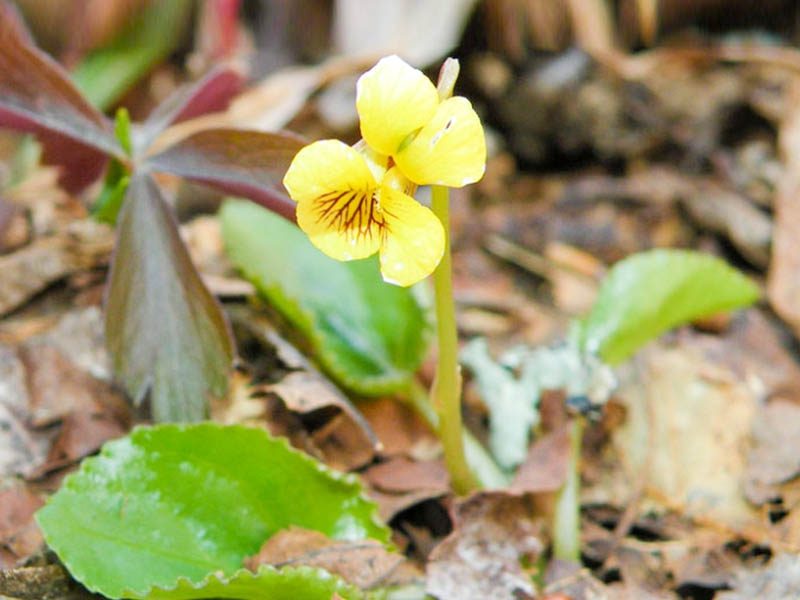
Viola rotundifolia is a plant native primarily to North America, characterized by the following growth traits and cultivation methods: Growth Traits: - Environment: Viola rotundifolia thrives in moist, semi-shaded environments. It is frequently found at forest edges or in areas with thick layers of fallen leaves. - Leaves: The plant is named 'Rotundifolia' due to the round shape of its leaves. The leaves are typically green and turn yellow in the autumn. - Flowers: It blooms with yellow flowers primarily in the spring; the flowers are small and appear singly. Propagation Methods: - Seed Propagation: Viola rotundifolia is primarily propagated by seeds. Fruit forms after the flowers fade, and upon maturity, the fruit naturally bursts open to disperse the seeds. - Root Division: It can also be propagated by dividing the roots in the autumn or spring. This method is commonly used to rapidly increase the plant population in the garden. Cultivation Method: - Soil: It thrives in humus-rich soil that retains moisture well. Since good drainage is essential, it is recommended to mix a small amount of sand into the soil. - Watering: As it prefers moisture, regular watering is important. Particular attention should be paid to watering during dry seasons. - Sunlight: While it grows well in partial shade, it can also thrive in full shade, allowing it to adapt to various garden environments. Garden Uses: - Viola rotundifolia is suitable as a ground cover plant. As a short plant, it is excellent for planting along garden edges or under trees. - Its yellow flowers add color to the spring garden, and planting it alongside other wildflowers creates a natural atmosphere. Important Pests and Diseases & Control Methods: - Diseases: Symptoms may include yellowing or wilting of the leaves. This is often caused by overwatering or poor ventilation; therefore, pay attention to watering and maintain sufficient spacing between plants to ensure good airflow. 2. Pests: The plant may be attacked by aphids or snails. Control measures can be taken using appropriate insecticides or through methods such as watering. - Prevention: It is important to prevent pests and diseases through regular observation and prompt action. It is recommended to immediately remove any damaged leaves. The above is basic information regarding Viola rotundifolia. Detailed cultivation methods need to be adjusted according to the conditions and environment of your garden.
Plant Type
Plant Family
Violet family
Height
7~15cm
Spread
15~25cm
Colors
yellow
Bloom Period
April~May
Water Needs
commonly
Exposure
shade
Freezing Resistance
-10°C
Viola Sempervirens
Viola sempervirens
Viola rostrata
Viola rostrata