English
한국어
English
Español
中文
हिंदी
Home
News
Community
Dictionary
English
한국어
English
Español
中文
हिंदी
View list
Prosophis Glenduros
Prosopis glandulosa
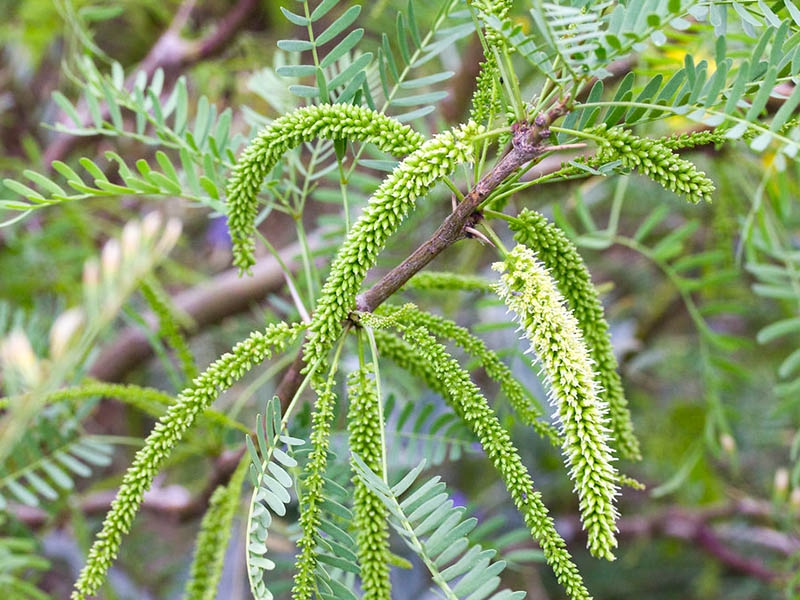
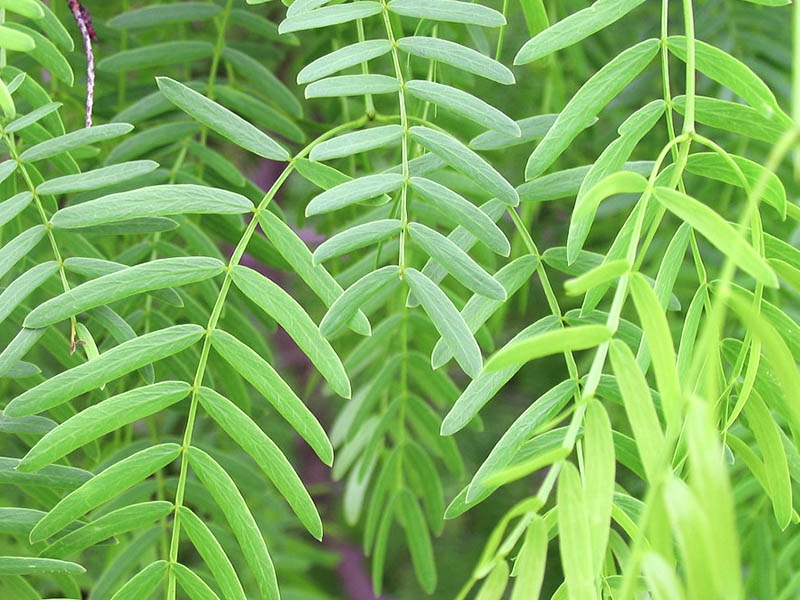
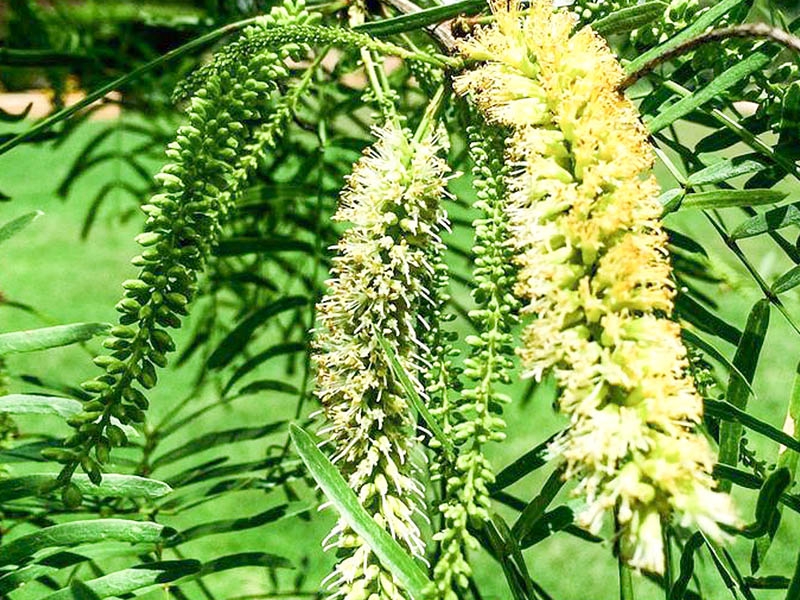
Prosopis glandulosa, also known as the mesquite tree, is a plant native primarily to the arid regions of North America. The following is information regarding this plant's growth characteristics, propagation methods, cultivation techniques, garden uses, and major pests and diseases, as well as control methods. Growth Characteristics - Environmental Requirements: It thrives in dry, poor soil and is highly resistant to drought and high temperatures. However, it prefers well-drained soil. - Morphological Characteristics: It grows as a small tree or shrub and can reach heights of 6 to 9 meters. The leaves are small and feathery, and thorns are frequently found. Propagation Methods - Seed Propagation: Mesquite is primarily propagated by seeds. To increase germination rates, it is recommended to slightly damage the seed coat or soak the seeds briefly in hot water. - Vegetative Propagation: While it can be propagated by cuttings or shoots emerging from roots, seed propagation is more common. Cultivation Methods - Watering: Proper watering is necessary during the initial growth stage, but once the roots are established, additional watering is rarely required due to its drought tolerance. - Fertilizer: Fertilizer is not strictly necessary; in fact, it is advisable to avoid excessive nutrient supply. Garden Uses - Decorative Value: It is excellent for providing shade on patios or in large gardens, or for use as a border plant. - Ecological Value: It helps support local ecosystems and, in particular, provides habitat for wildlife. Important Pests and Control Methods - Diseases: It is generally resistant to diseases, but root rot can occur due to excessive moisture. - Pests: Mesquite trees are resistant to most pests thanks to their thick leaves and thorns, but grasshoppers or powdery mildew may rarely occur. - Control Methods: Regular monitoring is required for pest control. If problems arise, appropriate insecticides can be used, or biological control can be considered. Based on this information, Prosophis glenduros is recommended as a relatively easy-to-care-for plant and can contribute to local ecological conservation.
Plant Type
Plant Family
legumes
Height
6~9m
Spread
7.5~9m
Colors
green
Bloom Period
March to August
Water Needs
Bad
Exposure
Sunny
Freezing Resistance
-10°C
Prosophis puvesens
Prosopis pubescens
Prostanterra 'Variegata'
Prostanthera ovalifolia 'Variegata'